

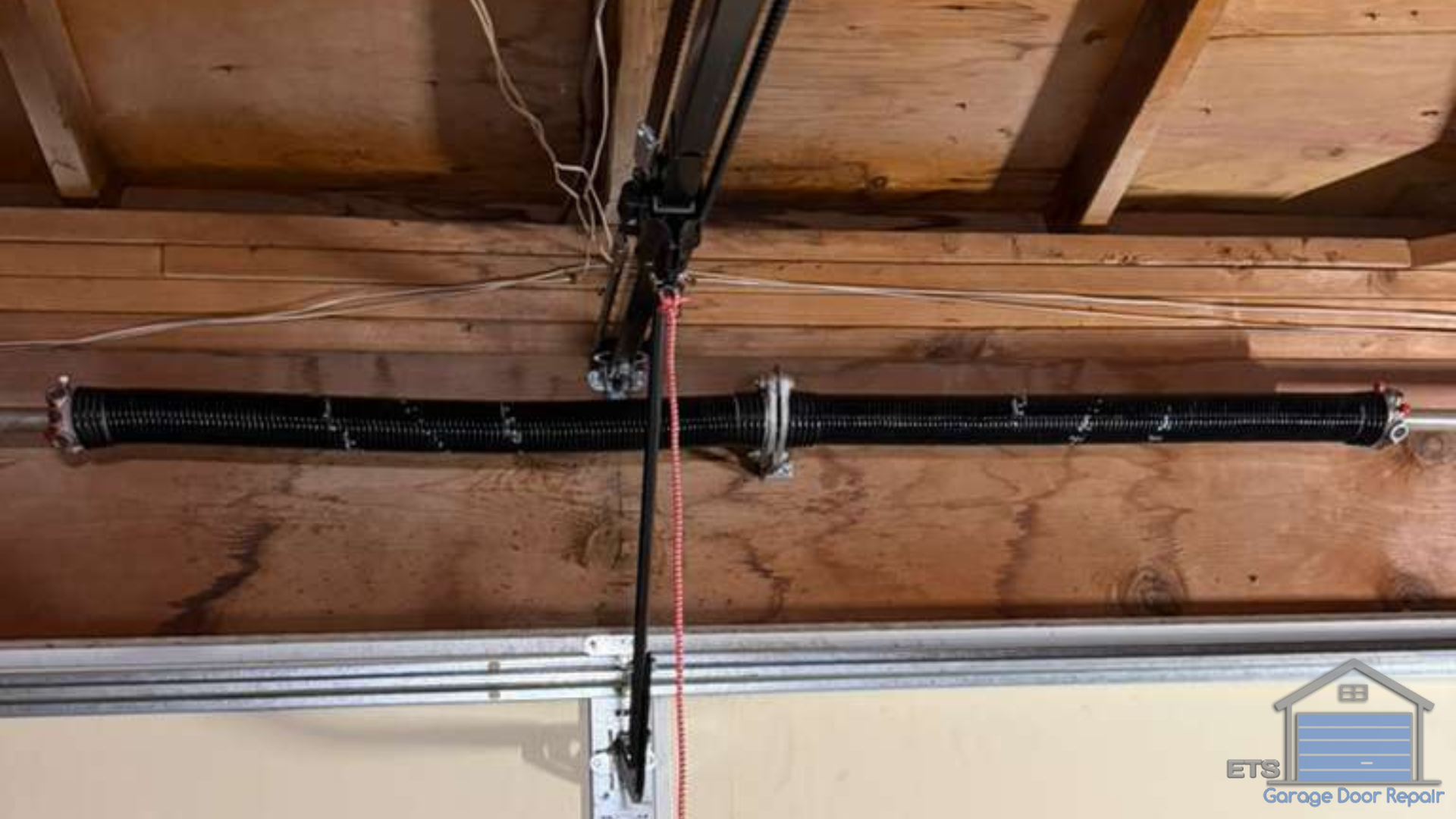
I get the same call almost every week from homeowners in Hillsboro: “My garage door was fine last night, but this morning it won’t open.” After years of responding to these early-morning emergencies, I’ve noticed a clear pattern. Garage door springs break far more often in the morning than any other time of day, and the reason comes down to basic physics and temperature changes.
Table of Contents
Why Temperature Changes Cause Spring Failures
Garage door springs break more often in the morning because metal contracts when it gets cold, creating additional stress on already-weakened springs. Here in the Pacific Northwest, our overnight temperatures drop significantly even during mild seasons, and that temperature swing is enough to push a worn spring past its breaking point.
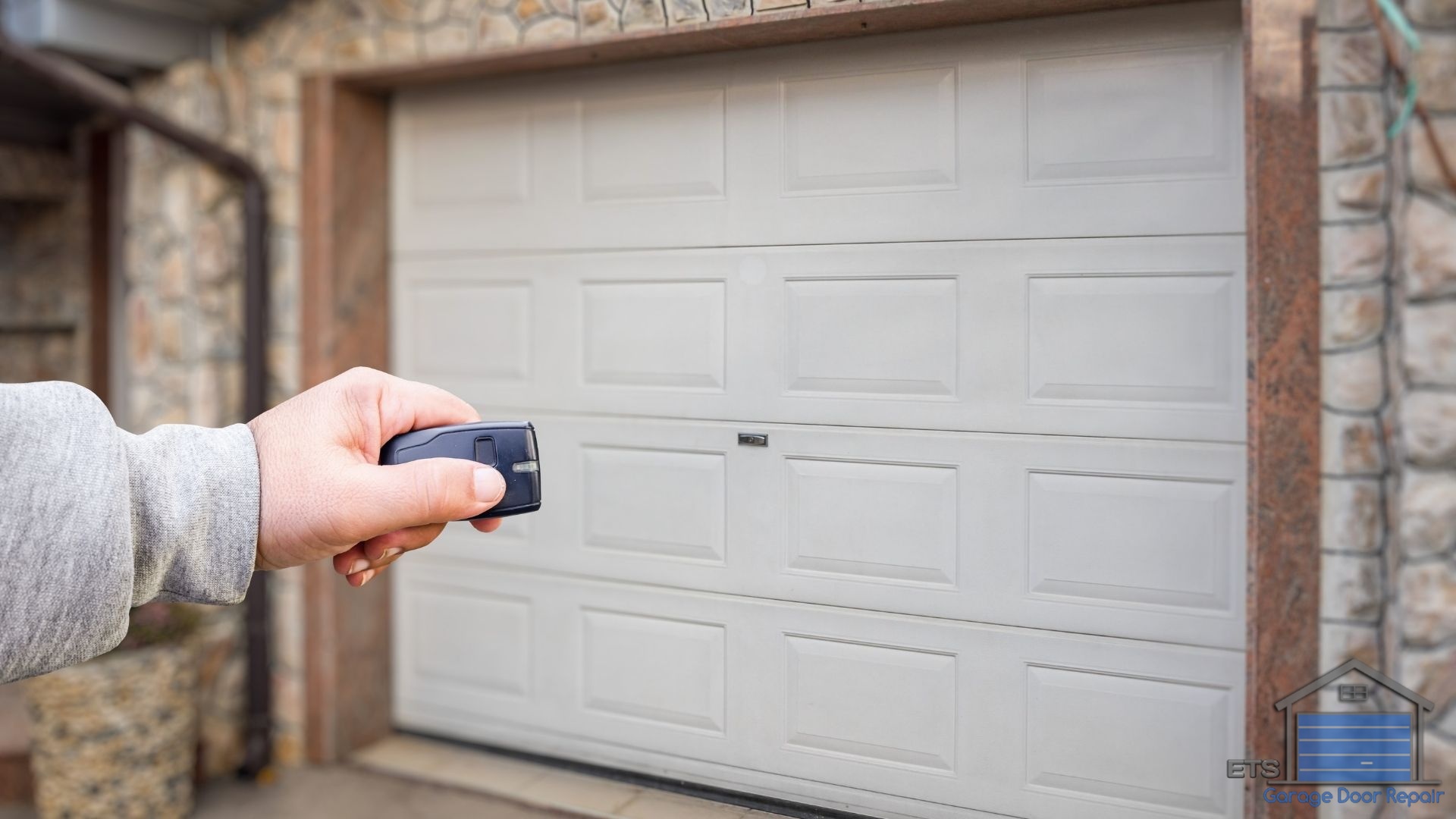
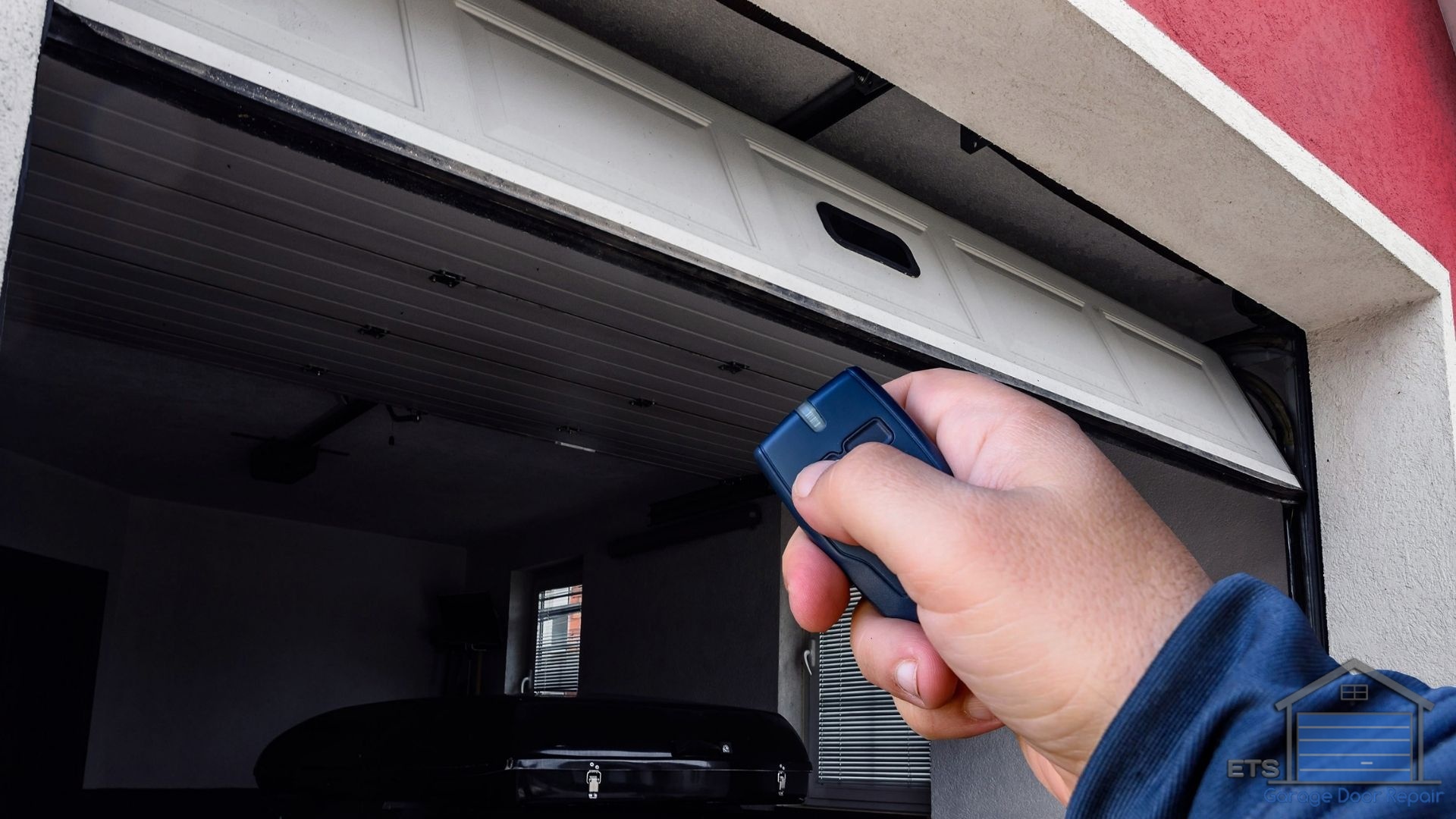
When you press your garage door opener first thing in the morning, you’re asking a cold, contracted spring to suddenly stretch and lift several hundred pounds. If that spring has been cycling for years and has microscopic cracks or metal fatigue, the shock of that first morning lift often causes it to snap.
The Metal Fatigue Factor
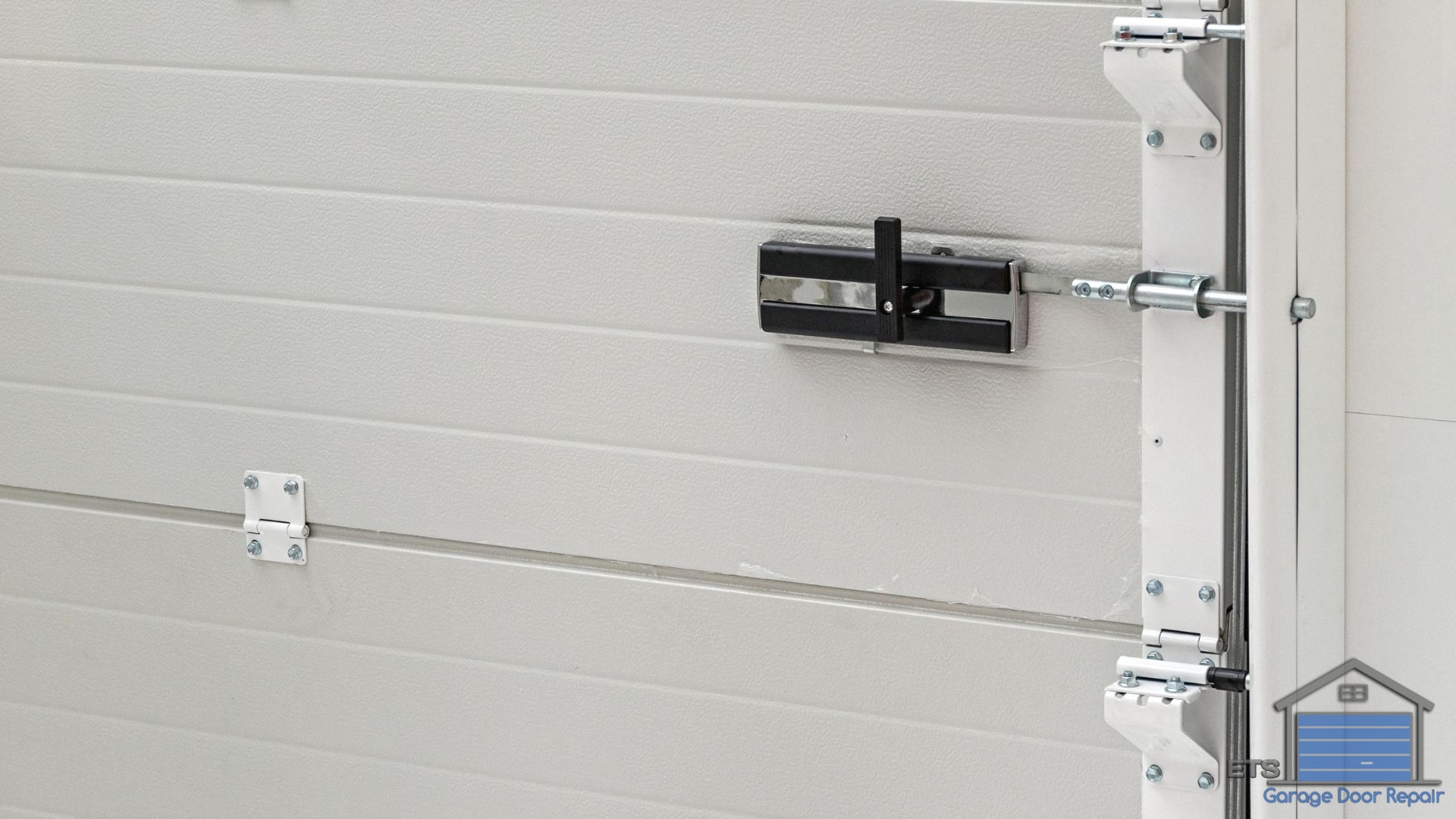
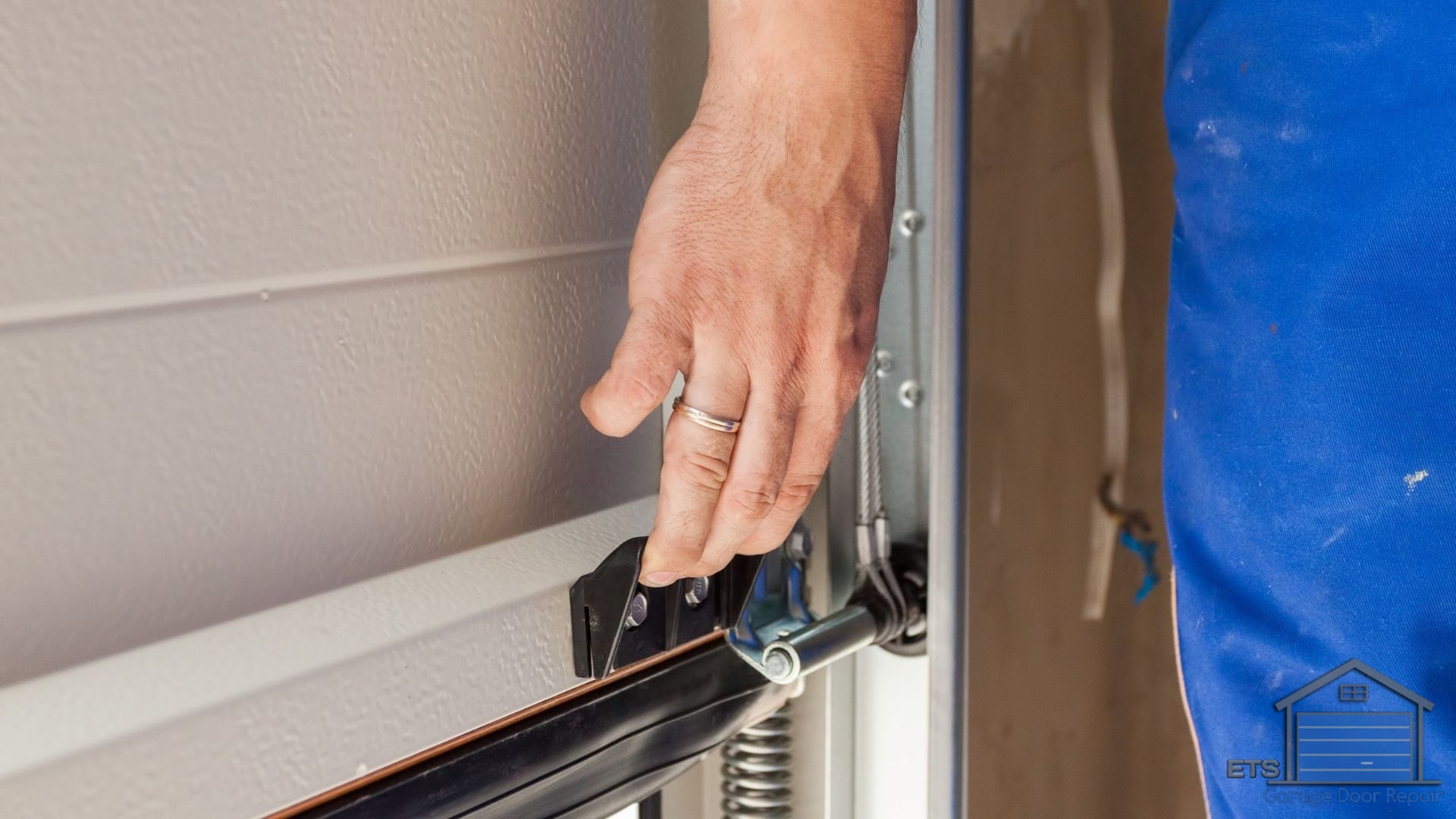
Garage door springs don’t break suddenly without warning. They fail after thousands of cycles have gradually weakened the metal coils. Most residential Springs are rated for 10,000 to 15,000 cycles, which typically translates to seven to ten years of use.
As springs approach the end of their lifespan, tiny stress fractures develop in the coiled metal. These fractures worsen each time the spring expands and contracts. The combination of metal fatigue plus cold-induced contraction creates the perfect condition for failure during that first morning use.
Why We See This Pattern Throughout Washington County
I’ve serviced garage doors throughout Hillsboro neighborhoods like Orenco Station, Tanasbourne, and AmberGlen, and the morning spring break pattern holds true everywhere. Our Oregon climate creates ideal conditions for this phenomenon because we experience consistent overnight temperature drops year-round.
Even our relatively mild winters include enough temperature variation between evening and morning to stress aging springs. When we do get occasional ice storms, I know my phone will ring off the hook the next morning with broken spring calls, and sometimes homeowners need to consider New Doors if the damage extends beyond just the springs.
What You Can Do to Prevent Morning Spring Breaks
Watch for warning signs that your springs are nearing the end of their lifespan. If your door struggles to open, makes loud creaking sounds, or opens unevenly, those springs are telling you they’re tired.
Schedule professional maintenance before you hear that distinctive bang of a breaking spring. We can assess spring condition during routine service and replace them before they fail at the worst possible moment, like when you’re rushing to work on a Monday morning. Understanding How Often You Should Schedule Garage Door Maintenance can help you stay ahead of these issues.
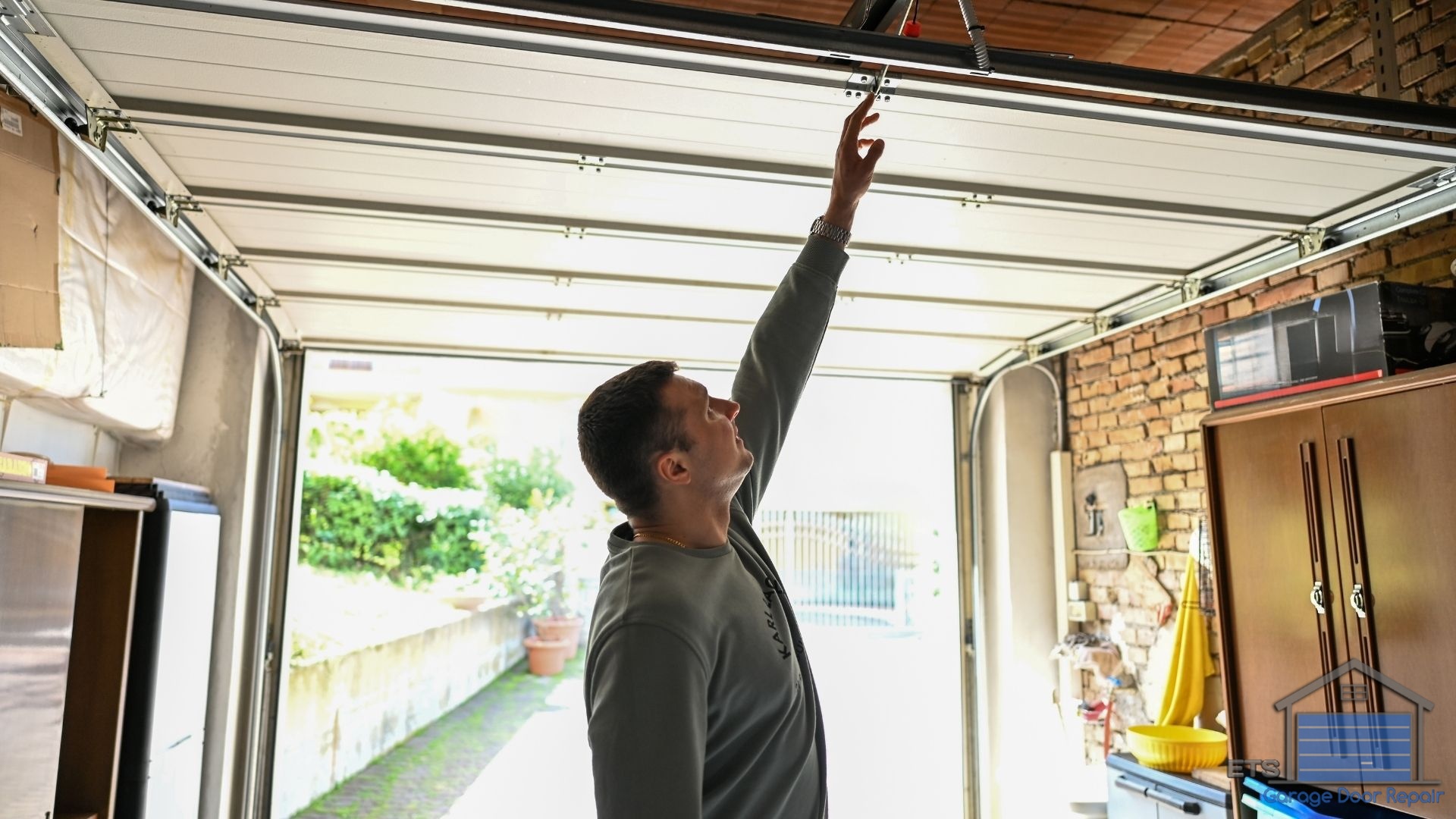
Let Our Team Help Keep Your Door Running Smoothly
Don’t wait for an early-morning emergency to address aging garage door springs. Our team at ETS Garage Door Repair of Hillsboro can inspect your system, identify springs that are approaching failure, and replace them on your schedule rather than theirs.
We serve homeowners throughout Hillsboro and understand exactly how our local climate affects your garage door components. Whether you need spring replacement or are considering upgrading to modern materials, check out The Complete Guide To Garage Door Materials to explore your options. Give us a call today to schedule a preventative maintenance visit.



Leave A Comment