

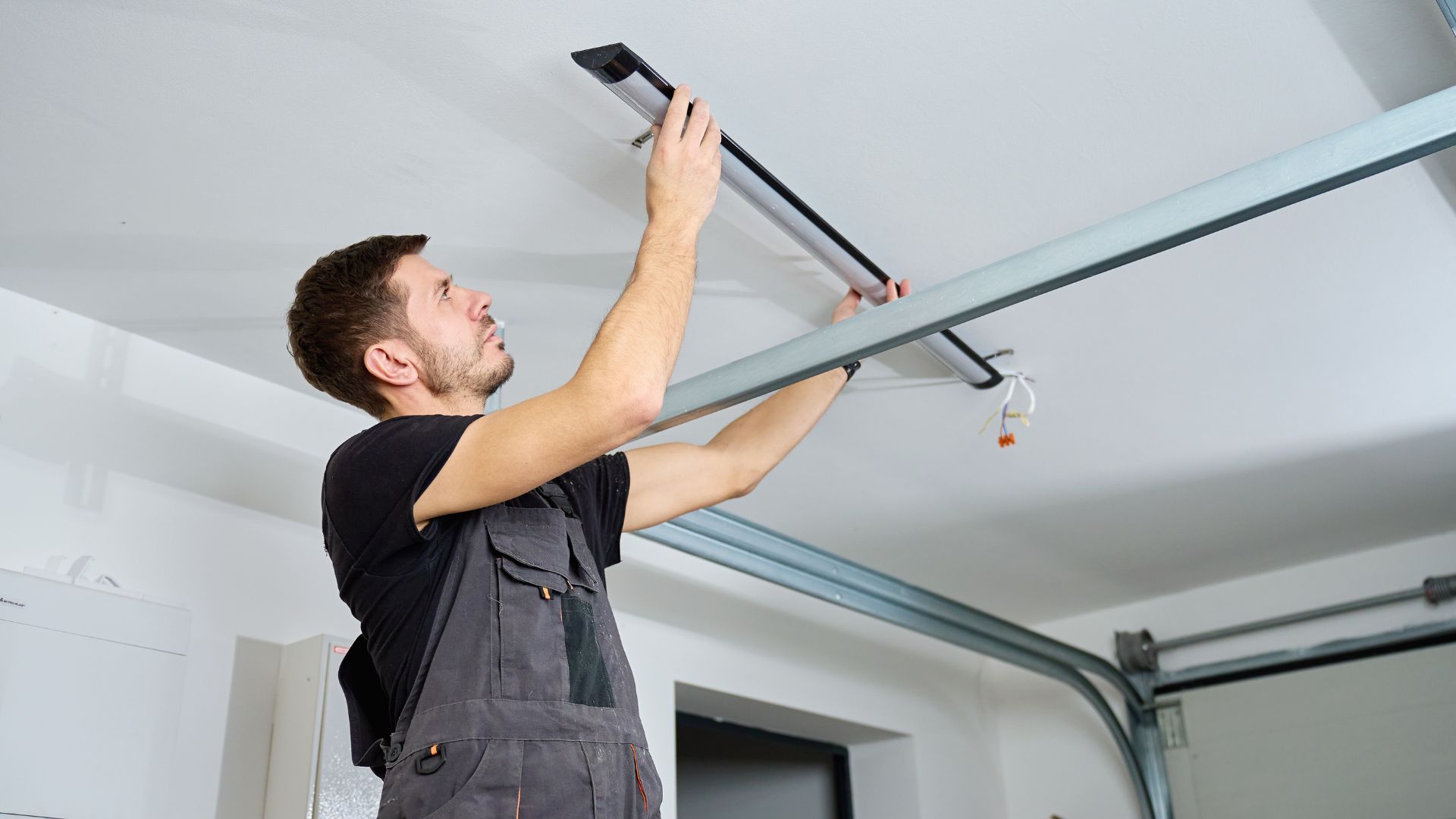
Your garage door is one of the hardest-working components of your home, cycling through an average of 1,500 openings and closings annually. Yet it’s often the most neglected. In 2026, with smart home integration and advanced safety features becoming standard, proper maintenance is more crucial than ever to protect your investment and ensure your family’s safety.
So how often should you really be scheduling professional garage door maintenance? Let’s break down the essential timeline and create a practical checklist you can follow year-round.
Table of Contents
The Golden Rule: Annual Professional Inspections
At minimum, every homeowner should schedule a comprehensive professional garage door inspection once per year. This annual checkup should ideally occur in early spring or fall when temperature fluctuations are less extreme. A qualified technician will examine all critical components, including springs, cables, rollers, tracks, and the opener system.
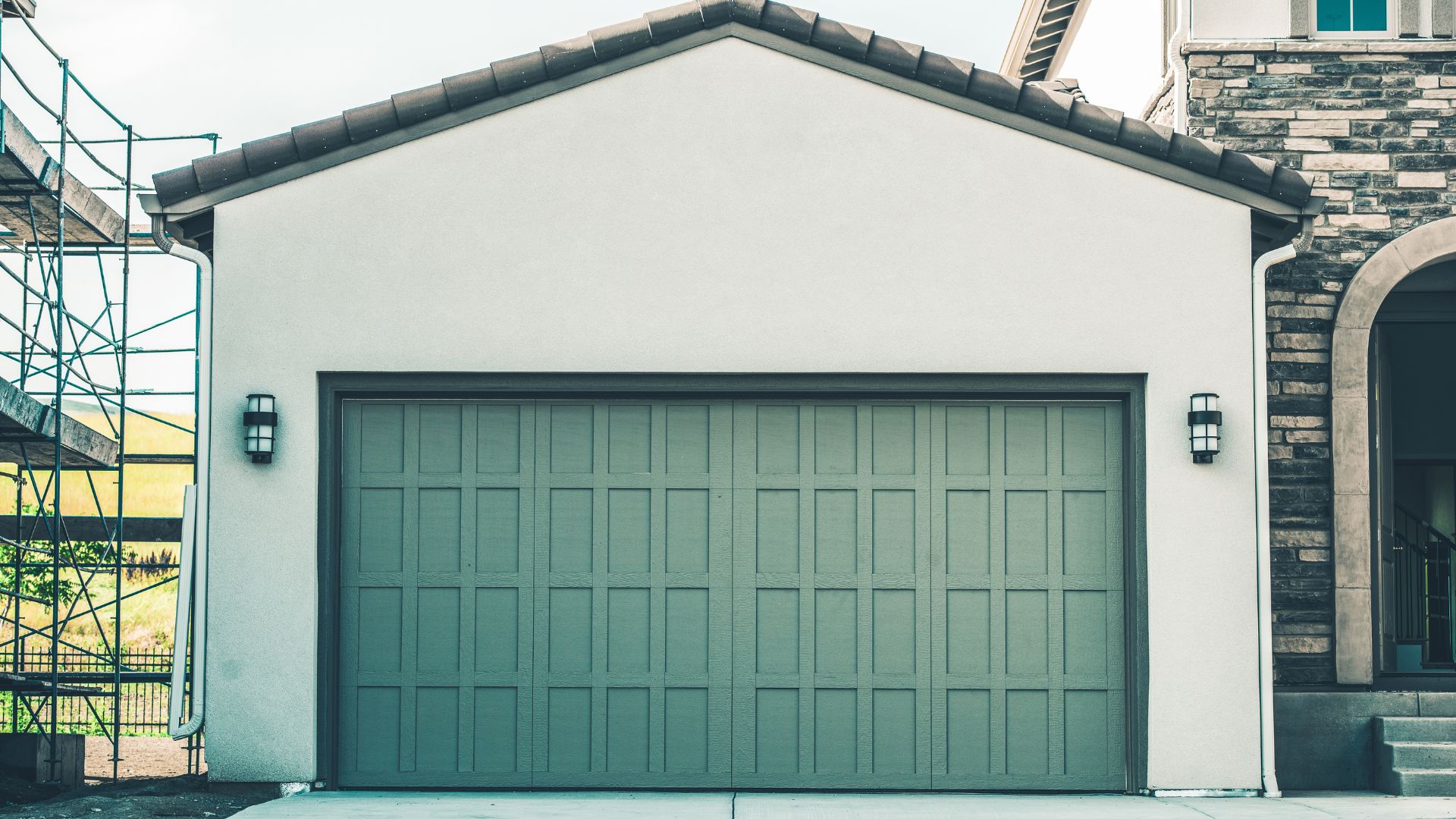
During this visit, professionals can identify worn parts before they fail, potentially saving you from costly emergency repairs or dangerous malfunctions. In 2026, many service providers also update software for smart garage door systems and verify that AI-powered safety sensors are functioning correctly. If you need Professional Garage Door Repair Services, it’s important to choose a reputable company.

Your Monthly DIY Maintenance Routine
Between professional visits, homeowners should perform basic maintenance checks monthly. This simple routine takes just 15 minutes but can significantly extend your garage door’s lifespan:
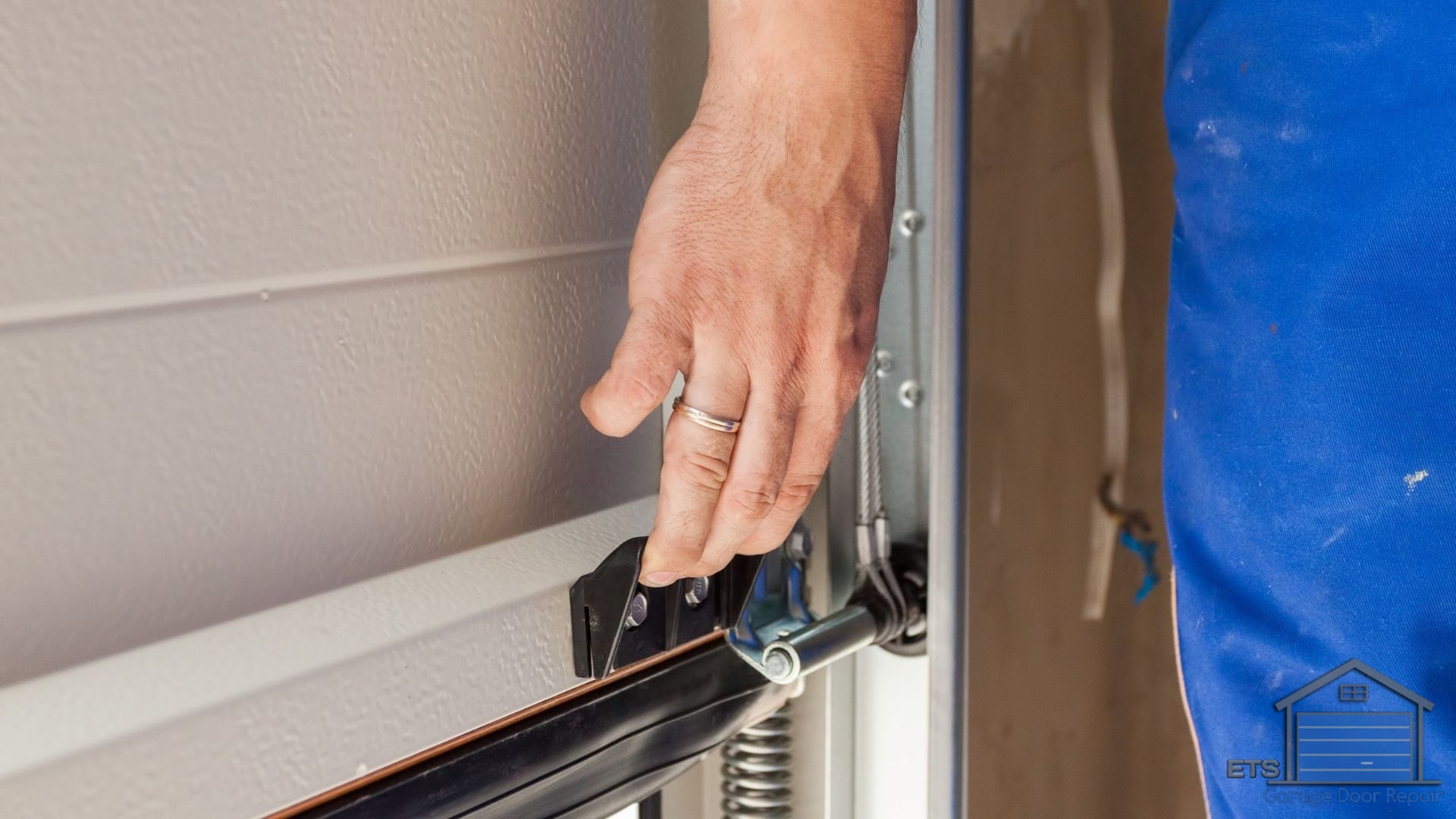
- Visual inspection: Look for worn cables, loose hardware, and signs of rust or deterioration
- Balance test: Disconnect the opener and manually lift the door halfway—it should stay in place if properly balanced
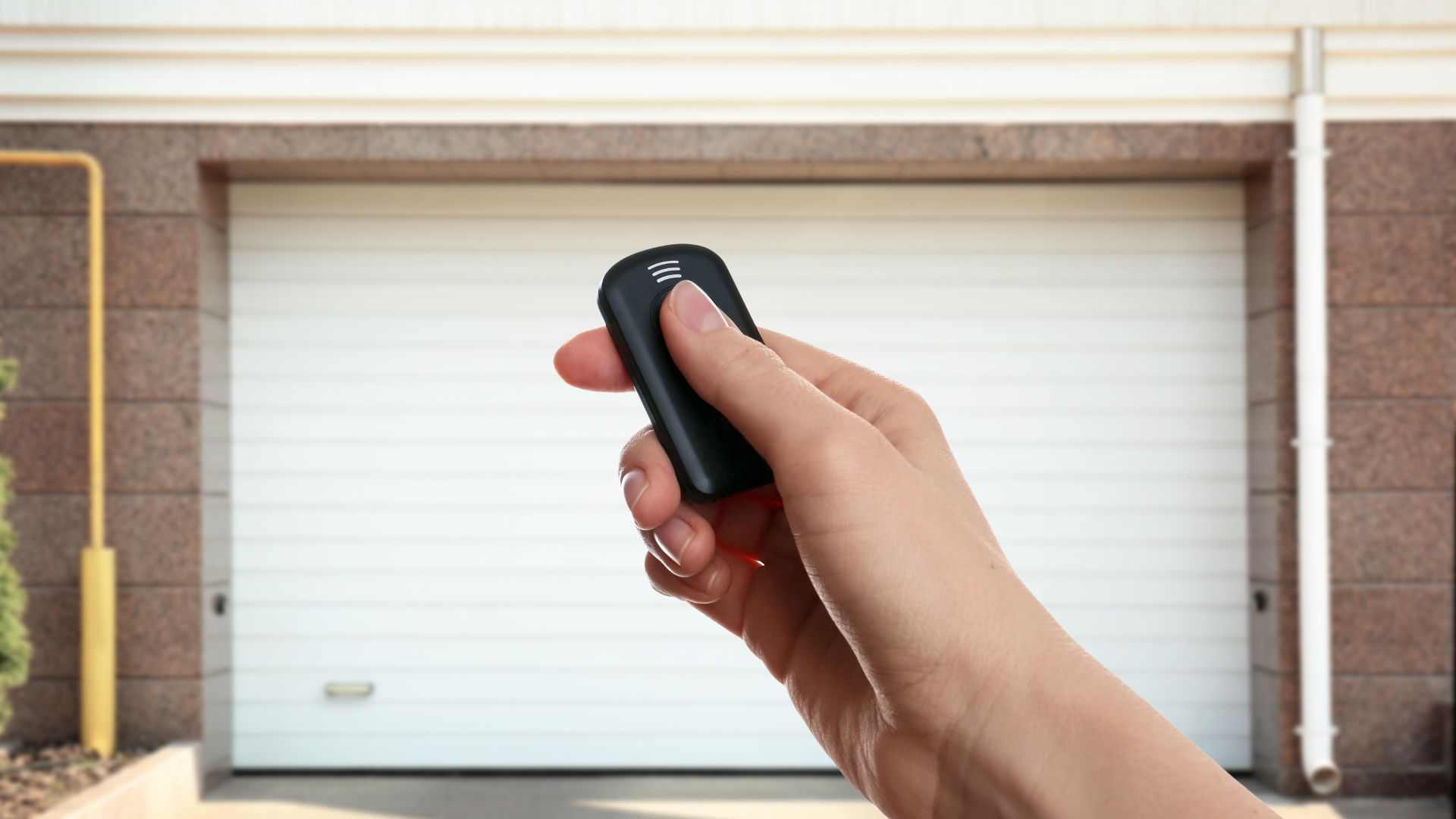
- Sensor alignment: Test the auto-reverse feature by placing an object in the door’s path
- Listen for unusual sounds: Grinding, scraping, or squealing indicates potential problems
- Check weather stripping: Ensure seals are intact to maintain energy efficiency
Seasonal Maintenance Tasks
Every three to four months, dedicate time to these deeper maintenance tasks:
- Lubricate all moving parts with lithium-based grease or silicone spray
- Tighten all nuts, bolts, and screws that may have loosened from vibration
- Clean tracks and remove debris that could obstruct movement
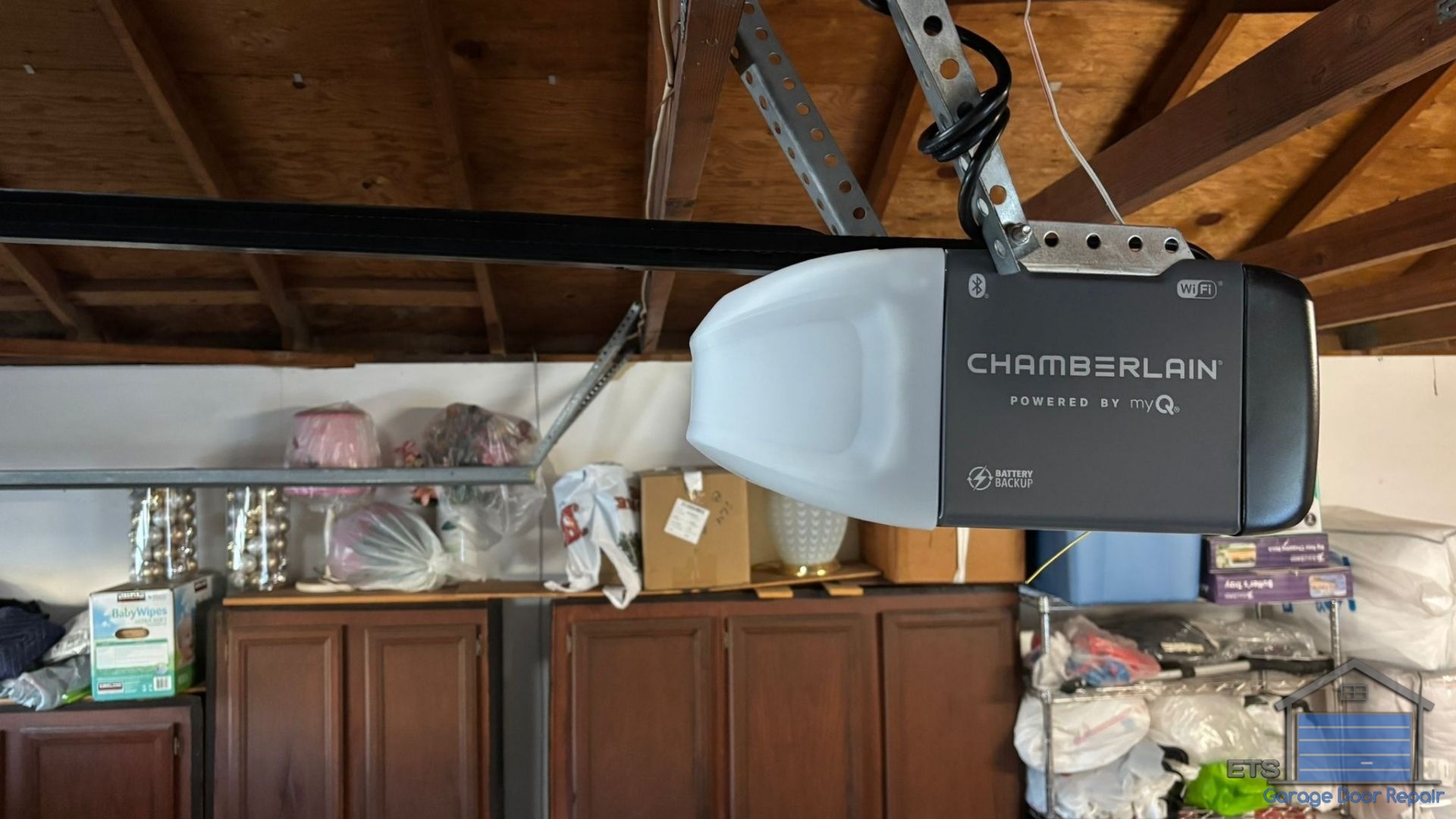
- Test battery backup systems (especially important in 2026 as power outages become more frequent)
- Update your smart garage door app and review access permissions
When to Increase Maintenance Frequency
Certain situations warrant more frequent professional attention. Schedule maintenance every six months if your garage door:
- Is your primary home entrance and gets heavy daily use
- Is exposed to harsh coastal conditions or extreme weather
- Is more than 15 years old
- Serves a commercial or multi-family property
The Bottom Line
Regular garage door maintenance isn’t just about convenience, it’s about safety, security, and protecting your home’s value. By combining annual professional inspections with monthly DIY checks and seasonal tune-ups, you’ll keep your garage door operating smoothly for decades. Remember, preventive maintenance costs a fraction of emergency repairs, and in 2026’s connected home ecosystem, a malfunctioning garage door can compromise your entire home security system.
When choosing a service provider, make sure to learn How To Spot A Garage Door Repair Scam, and if you’re considering upgrades, explore options with a Custom Door Designer.
It’s also helpful to understand important component details like Whether Garage Door Springs Should Be The Same Size. Don’t wait for problems to develop, schedule your maintenance today.



Leave A Comment