Table of Contents
Understanding the Two Types of Garage Door Springs
After servicing hundreds of garage doors across Hillsboro over the years, I can tell you that one of the most common questions homeowners ask me is about their spring system. Most people don’t think about their garage door springs until something goes wrong, and when I arrive for a repair, they’re often surprised to learn there are two completely different systems.
Extension springs and torsion springs both do the same job, lifting your garage door’s weight so the opener doesn’t have to work as hard. But they work in fundamentally different ways, have different lifespans, and come with different safety considerations. Understanding which system you have can help you make better decisions about maintenance and repairs.
Let me walk you through everything I’ve learned about these two spring systems from my years working on garage doors throughout Washington County.
What Are Extension Springs and How Do They Work?
Extension springs are the older, simpler technology. These springs stretch along the horizontal tracks on both sides of your garage door, running parallel to the tracks above the door opening.
When your door closes, the springs stretch and store energy. When you open the door, that stored energy releases and helps lift the door’s weight. It’s a straightforward mechanical system that’s been around for decades.
I see extension springs most often in older homes around neighborhoods like Shute Park and Jackson School. They’re also common in garages with low ceilings because they don’t require as much headroom as torsion systems.
Here are the key characteristics of extension springs:
- Located on both sides of the door, running along the horizontal tracks
- Stretch and contract as the door opens and closes
- Usually have safety cables running through them
- Typically cost less to install initially
- Generally last 8,000 to 15,000 cycles (about 7 to 10 years with regular use)
- Create more noise during operation
What Are Torsion Springs and How Do They Work?
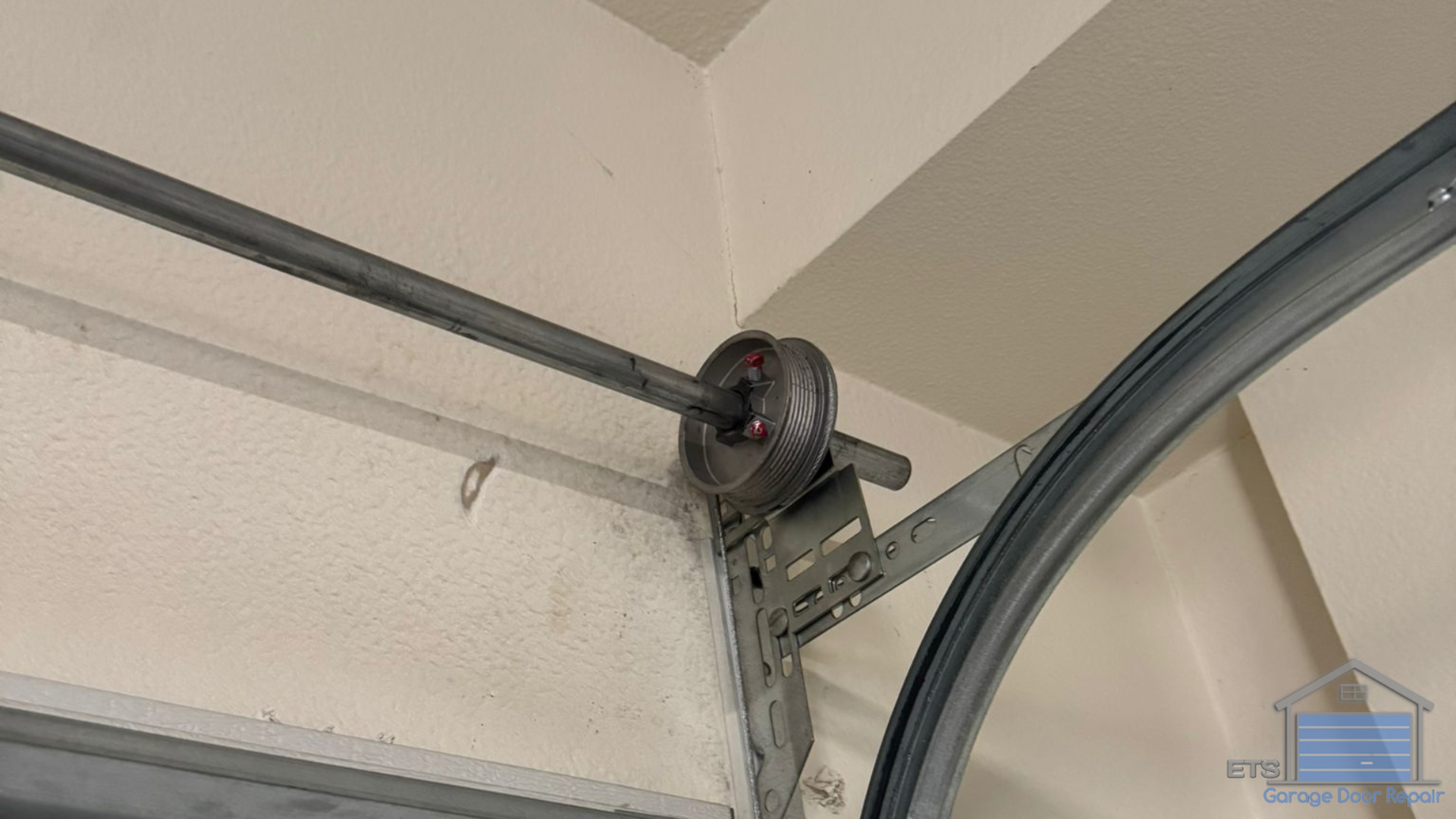
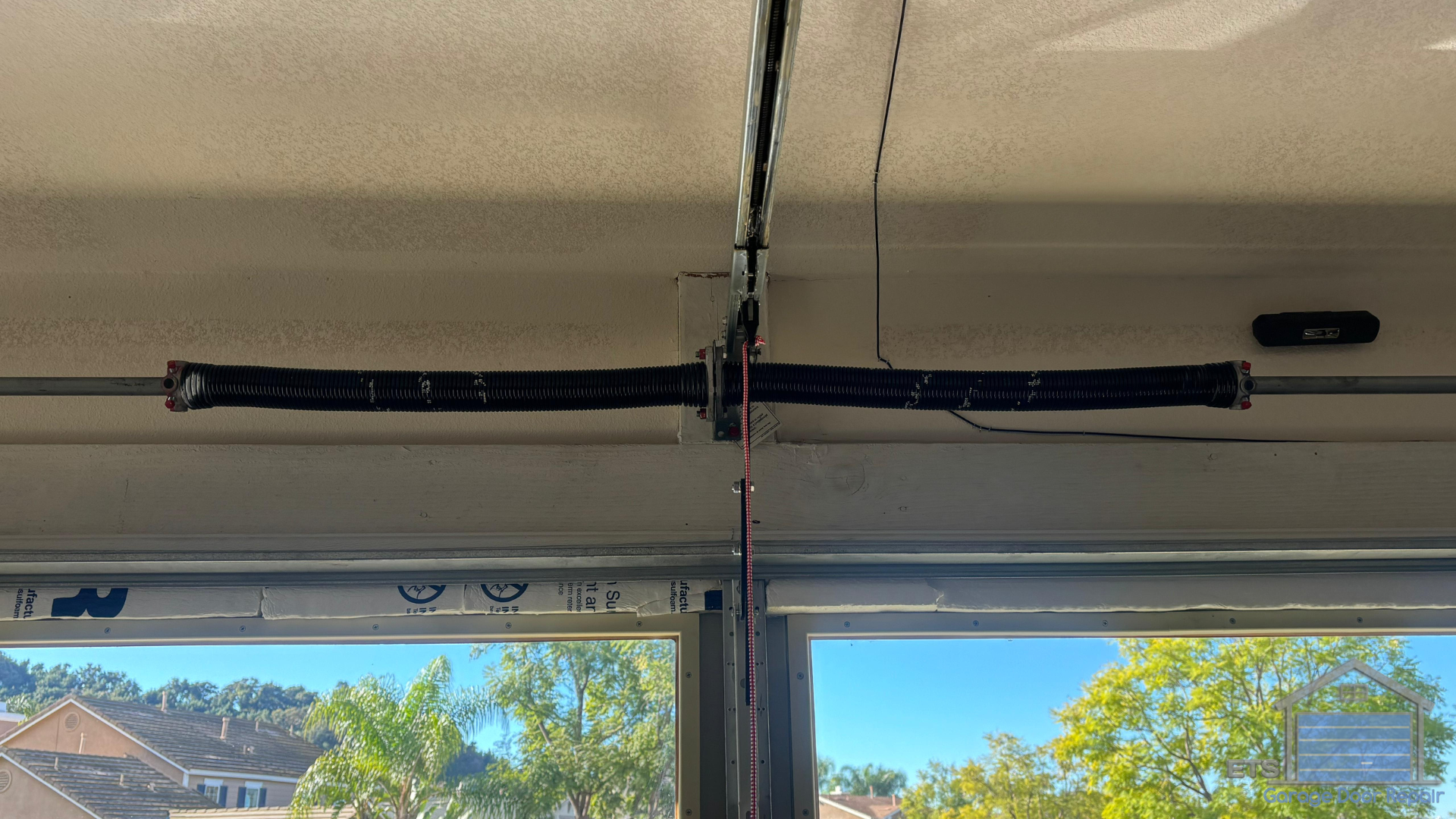
Torsion springs work on a completely different principle. Instead of stretching, they twist. These springs mount on a metal shaft directly above the garage door opening, parallel to the door’s width.
When the door closes, the springs wind up and store torque. When you open the door, they unwind in a controlled manner, using that rotational energy to lift the door smoothly. This twisting action is more efficient and puts less stress on the overall system.
Most newer homes I service in areas like Orenco Station, Tanasbourne, and AmberGlen come with torsion spring systems. Builders prefer them because they’re more durable and require less frequent service calls.
Here are the defining features of torsion springs:
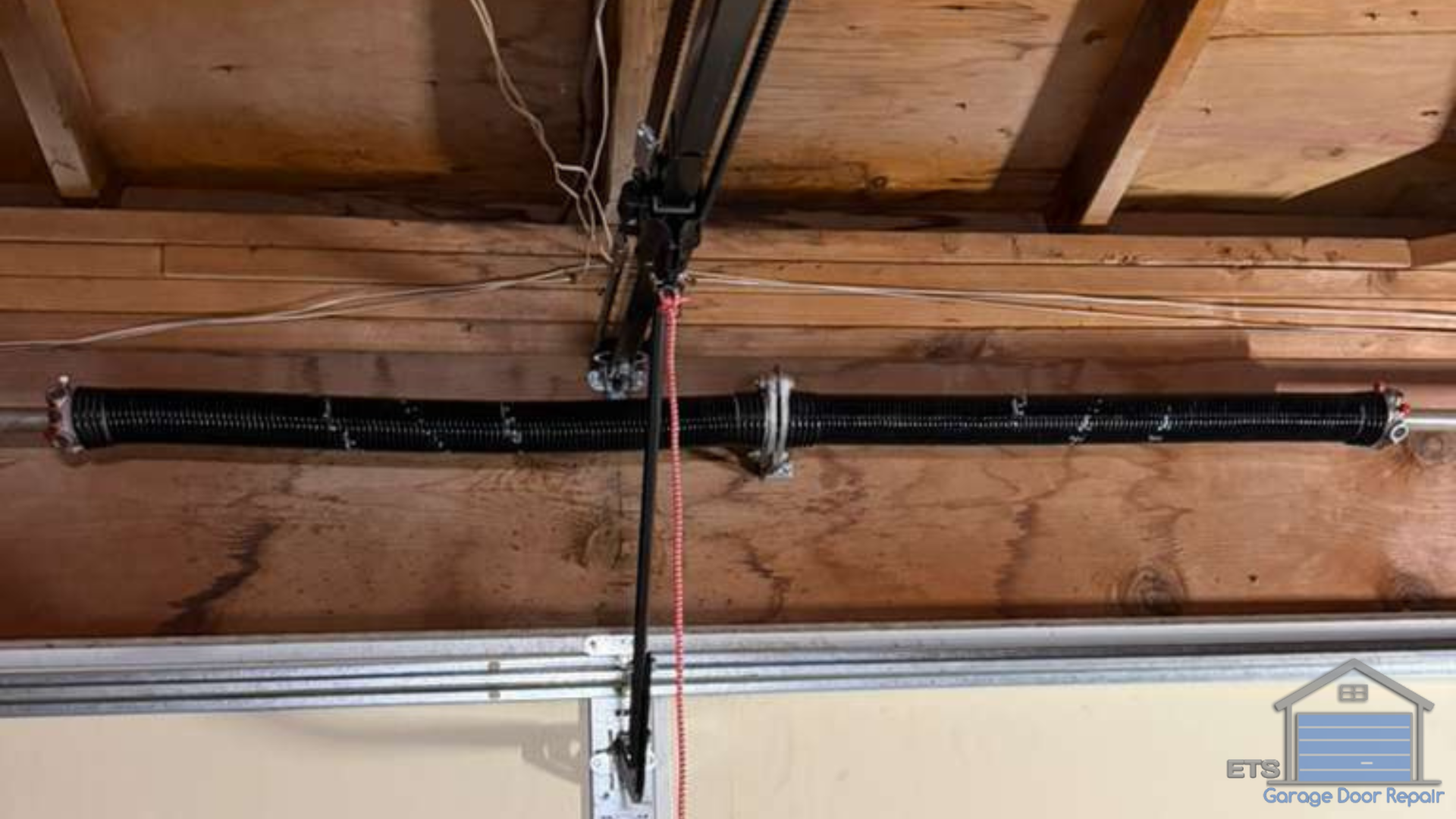
- Mounted on a shaft above the door opening
- Wind and unwind to create lifting force
- Provide smoother, quieter operation
- Typically last 15,000 to 30,000 cycles (about 12 to 20 years)
- Cost more initially but offer better long-term value
- Require adequate headroom above the door for installation
Which Spring System Is Better for Your Home?
Torsion springs are the superior system in almost every measurable way. They last longer, operate more quietly, and provide smoother performance throughout their lifespan. In my professional opinion, if you’re building new or replacing an entire door system, torsion springs are worth the extra investment.
However, extension springs still make sense in certain situations. If your garage has limited headroom (less than 12 inches above the door), extension springs might be your only option. They’re also a reasonable choice if you’re on a tight budget and need an immediate repair.
I’ve worked on plenty of extension spring systems in older Hillsboro homes that have performed reliably for years with proper maintenance. The key is keeping them well-maintained and ensuring the safety cables are intact.
Safety Considerations You Need to Know
Here’s something critical I need to stress: both spring systems store tremendous amounts of energy and can cause serious injury if handled improperly. I’ve seen the aftermath of DIY spring replacements gone wrong, and it’s not pretty.
Extension springs can snap when they fail, sending metal parts flying across your garage at dangerous speeds. This is why safety cables are essential. These cables run through the center of the spring and prevent it from becoming a projectile if it breaks.
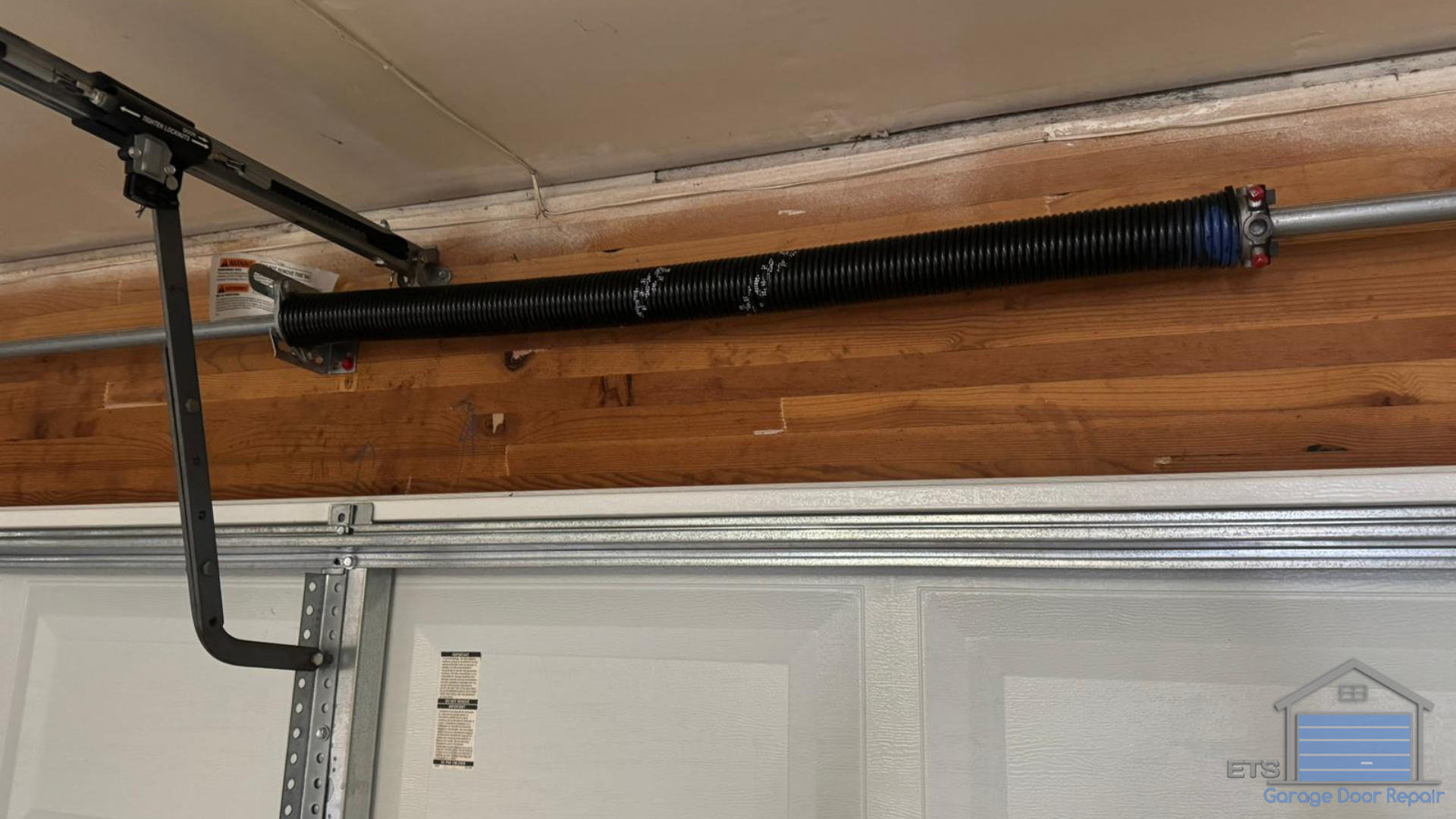
Torsion springs present a different danger. The winding and unwinding process involves extreme tension, and the winding bars can slip and cause severe injuries. I use specialized tools and follow strict safety protocols every time I work on these systems.
During our Pacific Northwest winters, when Hillsboro gets occasional ice storms and temperature swings, springs are under even more stress. Cold metal becomes more brittle, and I see more spring failures during these weather events.
How to Tell Which System You Have
You don’t need to call a technician to identify your spring system. Just look at your garage door while it’s closed.
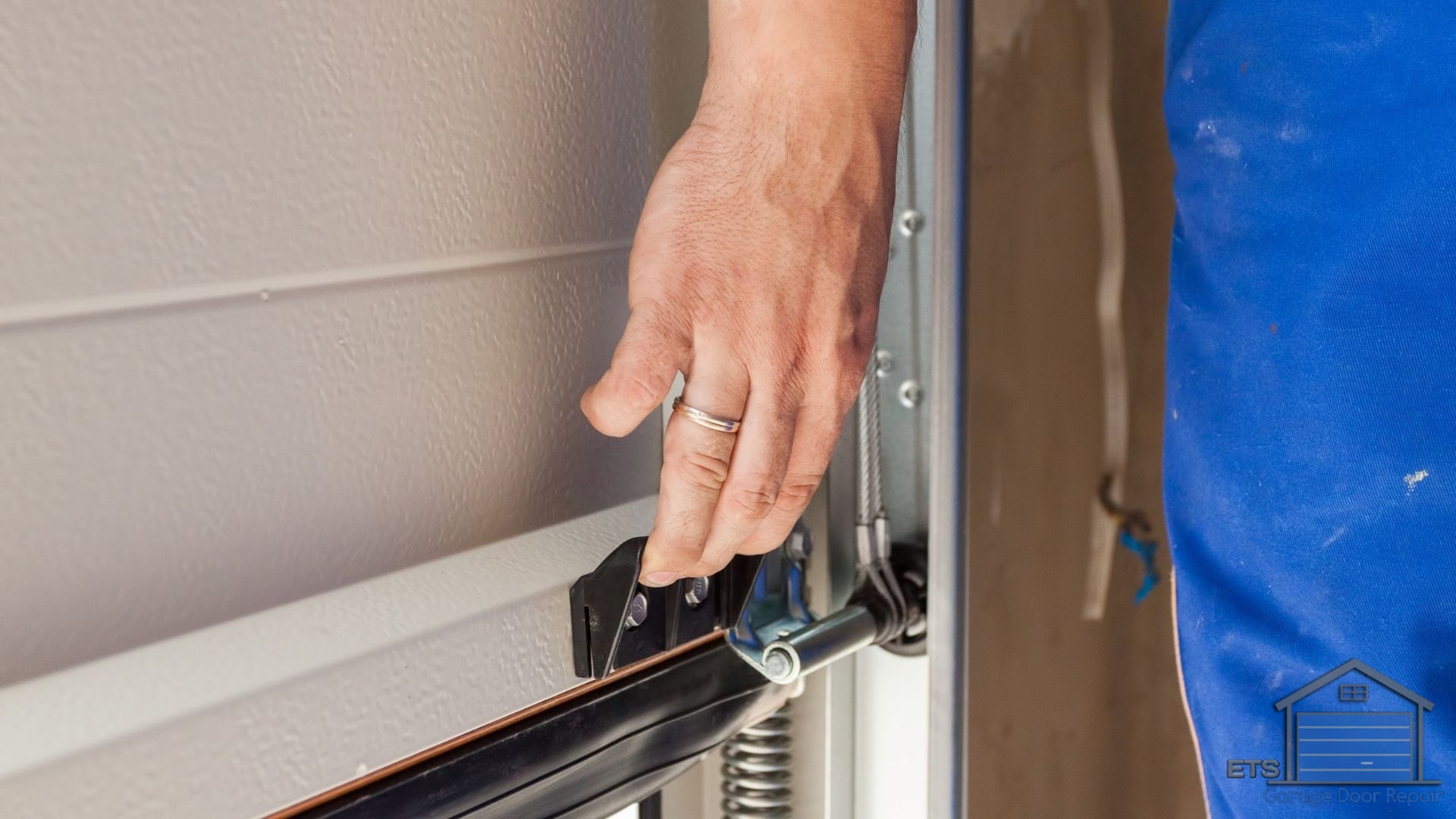
If you see large springs running along the horizontal tracks on both sides of the door, you have extension springs. If you see one or two springs mounted on a shaft directly above the door opening, you have torsion springs.
Still not sure? Take a photo and text it to us. Our team at ETS Garage Door can identify your system instantly and answer any questions you have, including which garage door materials work best with different spring systems.
Maintenance Tips for Both Spring Systems
Regardless of which system you have, regular maintenance extends spring life and prevents unexpected failures. I recommend lubricating your springs twice a year with a silicone-based garage door lubricant, especially before and after our rainy Oregon seasons.
Watch for warning signs that your springs are wearing out. These include gaps in torsion springs, visible stretching in extension springs, the door not opening smoothly, or the door feeling heavier than usual.
Never try to adjust or replace springs yourself. This is one repair where DIY approaches create genuine safety hazards. The money you might save isn’t worth the risk of serious injury. If you want to keep your system running smoothly, consider scheduling professional maintenance service twice a year.
Trust ETS Garage Door for All Your Spring Repairs
Whether you have extension springs or torsion springs, our team at ETS Garage Door Repair of Hillsboro has the experience and equipment to service them safely. We carry springs for both systems on our trucks, so we can often complete repairs the same day you call.
We’ve been serving homeowners throughout Hillsboro and Washington County for years, and we understand the specific challenges that Pacific Northwest weather creates for garage door systems. If your door isn’t operating smoothly or you’re hearing unusual noises, don’t wait until a spring breaks and leaves you stuck.
Give us a call today. We’ll inspect your spring system, explain exactly what you have, and provide honest recommendations about repair or replacement. We can also discuss modern upgrades like smart garage door openers that work seamlessly with both spring types. That’s the ETS Garage Door difference.

Leave A Comment