


Your garage door is reversing immediately after closing because its safety sensors are misaligned, blocked, or malfunctioning. This auto-reverse feature is designed to prevent the door from closing on objects, people, or pets in its path. The problem can also stem from incorrect force settings on the opener, damaged tracks, or issues with the limit switches that tell your door when it has reached the ground.
Table of Contents
Photo Eye Sensors Are the Most Common Culprit
Modern garage doors have two photo eye sensors mounted about six inches above the ground on either side of the door opening. These sensors emit an invisible beam between them, and if anything interrupts that beam while the door is closing, the system automatically reverses direction.

Misalignment is the leading cause of this problem. Even slight movement from being bumped or normal vibration over time can knock sensors out of alignment. Check if the LED lights on both sensors are glowing steadily, as a blinking light typically indicates misalignment or an obstruction.
Dirt, spider webs, or debris on the sensor lenses can also block the beam. Gently clean both sensor lenses with a soft cloth and ensure nothing is obstructing the path between them, including small objects on the ground or hanging items nearby.
Force and Limit Settings May Need Adjustment
Your garage door opener has adjustable force settings that determine how much resistance it can encounter before reversing. If these settings are too sensitive, the door may interpret normal closing resistance as an obstruction and reverse itself.
The limit settings control how far the door travels before the opener considers it fully closed. If the close limit is set incorrectly, the opener may think the door has hit an obstacle when it reaches the floor, triggering the reversal mechanism.
Both settings typically have adjustment screws or dials on the opener unit itself. Consult your owner’s manual for specific adjustment procedures, as these vary by manufacturer and model. If you’re considering upgrading your opener system, learn more about Why Buy A Side Mount Garage Door Opener for alternative installation options.
Other Mechanical Issues to Consider
Damaged or obstructed tracks can create enough resistance to trigger the auto-reverse feature. Inspect your tracks for dents, bends, or debris that might be interfering with smooth door operation.
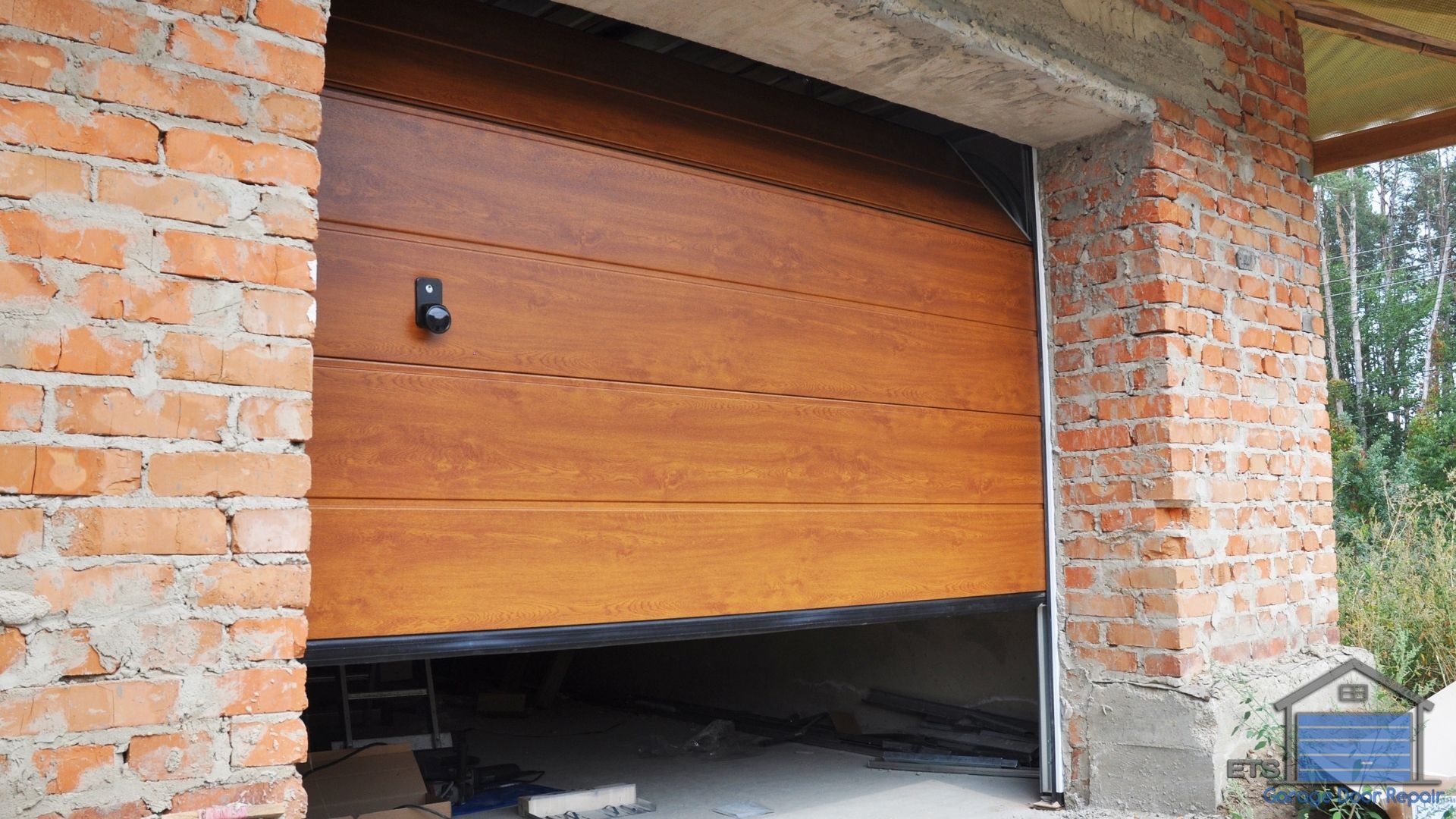
Here are additional factors that can cause reversing:
- Worn rollers creating excessive friction and resistance
- Damaged or stretched garage door springs affecting balance and weight distribution
- Frayed or misaligned cables putting uneven tension on the door
- Faulty logic board in the opener unit sending incorrect signals
- Accumulation of ice or snow on the ground preventing complete closure
When to Call a Professional
If cleaning the sensors and checking for obvious obstructions does not resolve the issue, the problem likely requires professional diagnosis. Adjusting force and limit settings incorrectly can create safety hazards or damage your opener.
Technicians have specialized tools to properly align sensors, test electrical components, and ensure your door meets current safety standards. They can also identify worn parts that need replacement before they cause more serious problems. For expert assistance with any of these issues, contact Hillsboro Garage Door Repair for professional service.

Leave A Comment