
You should replace your garage door weatherstripping every 1 to 2 years under normal conditions, though factors like climate, usage frequency, and material quality can shorten or extend this timeframe. Regular inspection every six months helps you catch wear early and maintain energy efficiency. Replacing weatherstripping promptly prevents water damage, pest intrusion, and increased heating and cooling costs.
Table of Contents
Signs Your Weatherstripping Needs Replacement
Visible damage is the most obvious indicator that your weatherstripping has reached the end of its useful life. Cracks, tears, brittleness, or sections that have completely detached from the door require immediate attention.
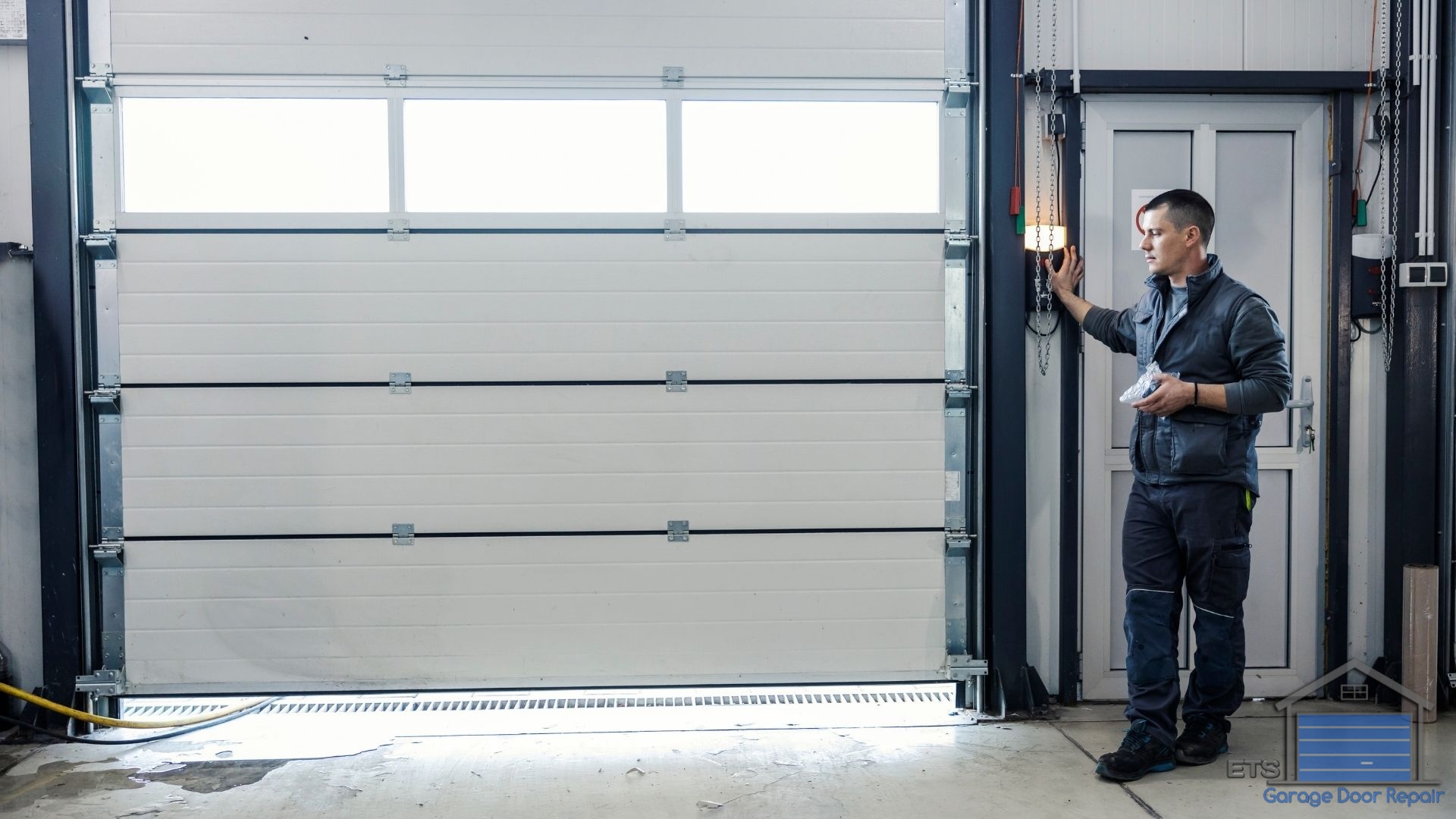
Functional problems often appear before severe visible damage occurs. If you notice drafts, light streaming under or around your closed garage door, or water pooling inside after rain, your weatherstripping is no longer creating an effective seal. For professional assistance with weatherstripping replacement and other garage door issues, contact Hillsboro Garage Door Repair.
- Hardened or brittle rubber that lacks flexibility
- Gaps between the weatherstripping and the door or floor
- Flattened or compressed seals that no longer spring back
- Visible daylight around the door edges when closed
- Pest entry points or evidence of insects or rodents
- Increased dust or debris accumulation inside the garage
Factors That Affect Weatherstripping Lifespan
Climate and Weather Exposure
Extreme temperatures accelerate weatherstripping degradation significantly. Hot climates cause rubber to dry out and crack, while freezing temperatures make materials brittle and prone to splitting.
UV exposure from direct sunlight breaks down rubber compounds over time. Garages facing south or west typically experience faster weatherstripping deterioration than those with northern exposure.
Material Quality and Type
EPDM rubber weatherstripping typically lasts longer than vinyl alternatives and maintains flexibility across a wider temperature range. Higher-quality materials cost more upfront but provide better value through extended service life.
The bottom seal experiences the most wear due to constant contact with the ground and exposure to moisture. This component often requires replacement more frequently than side and top weatherstripping.
Maintenance Tips to Extend Weatherstripping Life
Regular cleaning removes dirt and debris that can accelerate wear and compromise the seal. Wash weatherstripping with mild soap and water every three to four months, avoiding harsh chemicals that damage rubber.
Applying a silicone-based lubricant or rubber conditioner twice yearly keeps the material supple and prevents premature cracking. This simple step can add six months or more to your weatherstripping’s functional life.
Inspect your garage door balance and alignment as part of your maintenance routine. A misaligned or unbalanced door creates uneven pressure on weatherstripping, causing premature wear in specific areas. Addressing mechanical issues protects your weatherstripping investment and ensures consistent performance throughout its service life. Learn more about maintaining your garage door in our guide How Often Should You Schedule Garage Door Maintenance In 2026? A Local Homeowner’s Complete Checklist.

Leave A Comment