After years of repairing garage doors throughout Hillsboro, I’ve noticed that most homeowners don’t really understand how their garage door works until something breaks. When I arrive at a home in Orenco or Tanasbourne and explain what’s wrong, I often see that moment of realization when they understand their garage door is actually a complex system of interconnected parts working together.
Today, I want to walk you through the anatomy of your garage door. Understanding these components will help you maintain your door better, communicate more effectively with repair technicians, and recognize problems before they become expensive emergencies.
Table of Contents
What Are the Main Components of a Garage Door System?
A garage door system consists of five main component groups: the door panels, the track and roller system, the spring assembly, the opener mechanism, and the safety features. Each group plays a critical role in the safe operation of your door, and failure in any one area can affect the entire system.
Let me break down each component group so you understand exactly what’s happening every time you press that button.
The Door Panels and Section Construction
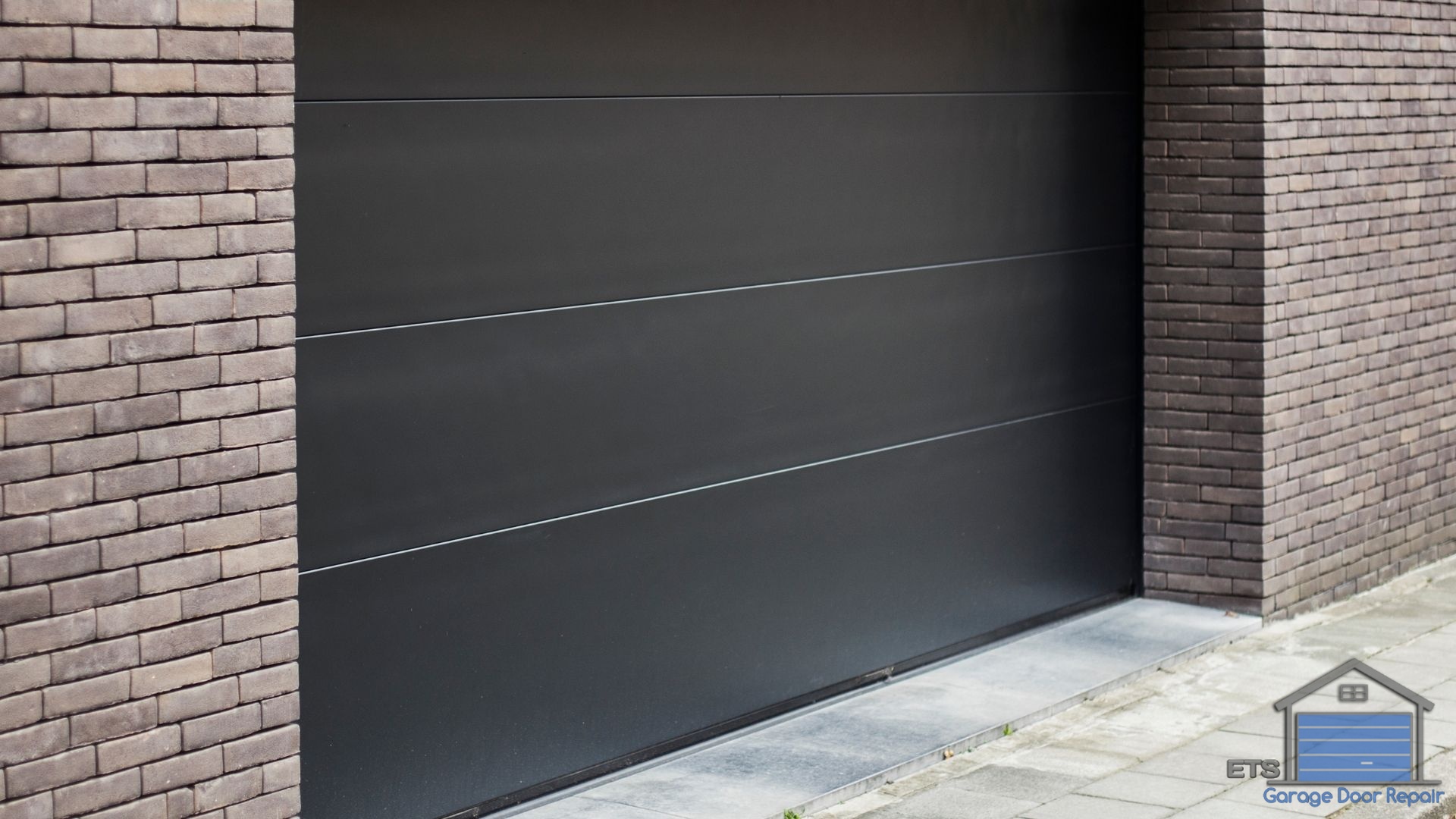
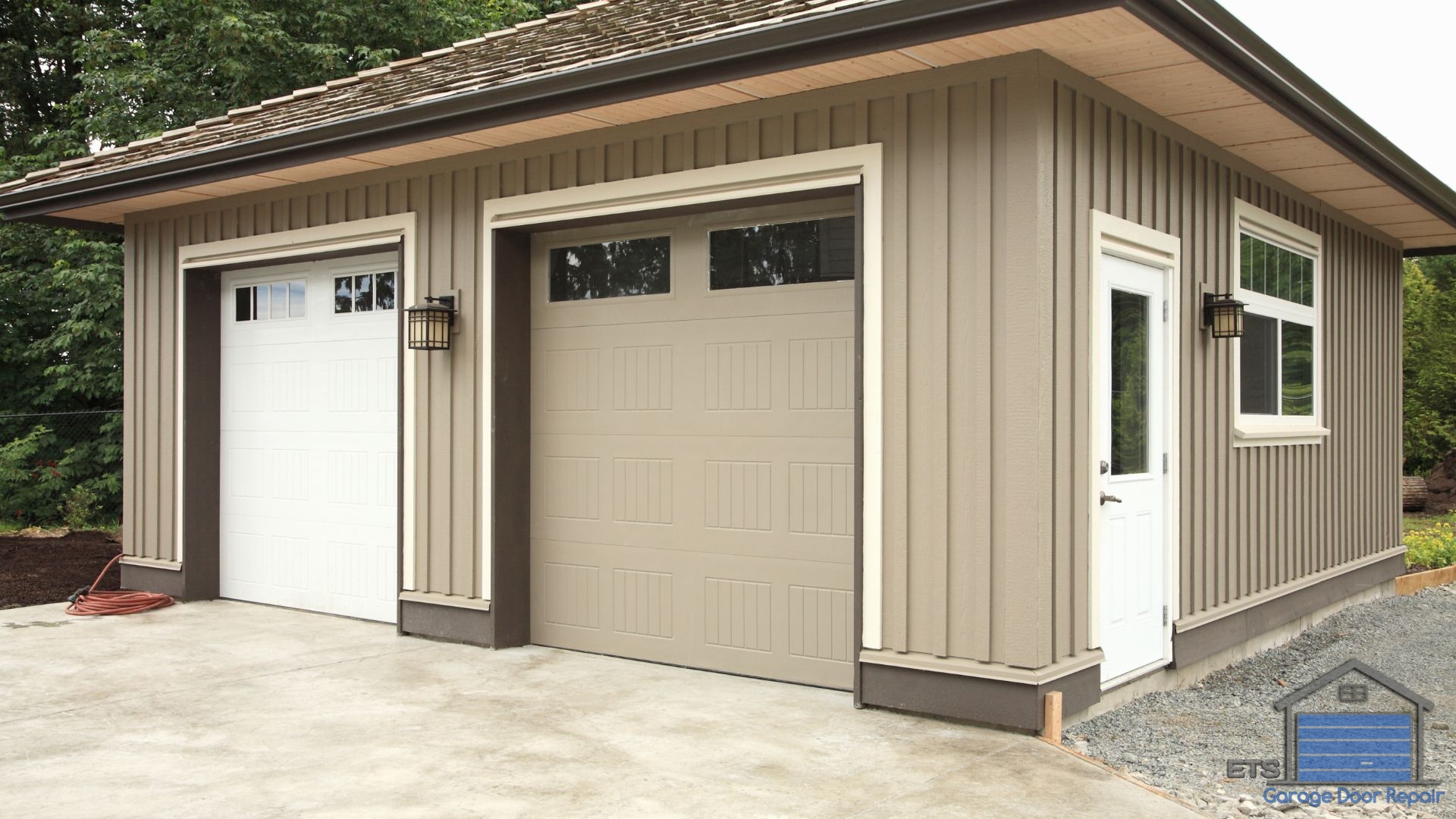
Your garage door is typically made up of three to eight horizontal sections hinged together. These panels allow the door to bend and follow the track as it moves from vertical to horizontal positions.
The panels themselves consist of an exterior skin, interior skin, and often insulation sandwiched between. In our Pacific Northwest climate, I always recommend Insulated Garage Doors because they help regulate temperature and reduce moisture issues that are common in Oregon.
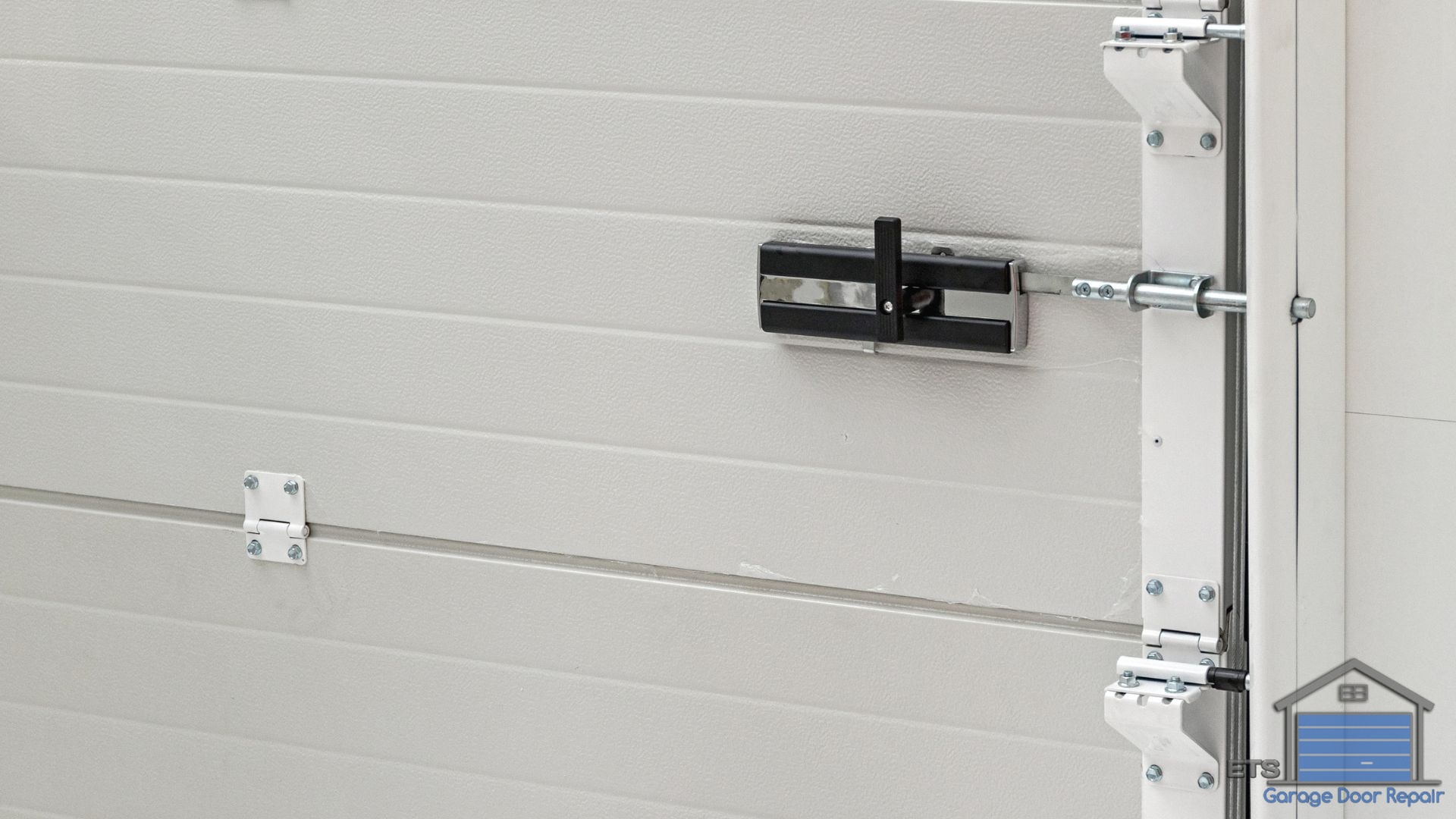
Between each section, you’ll find hinges that connect the panels. The hinges on the sides include roller stems that ride in the tracks. These hinges take tremendous stress, especially on the middle sections where the door bends most dramatically.
The Track and Roller System
The track system guides your door through its opening and closing cycle. The vertical tracks run up both sides of your door opening, then curve to become horizontal tracks that run along your garage ceiling.
Rollers attach to each door section and ride inside these tracks. Most homes have 10 to 12 rollers depending on door height. I’ve replaced countless rollers in Hillsboro homes, and I can tell you that nylon rollers are worth the upgrade over steel because they’re quieter and last longer in our damp climate.
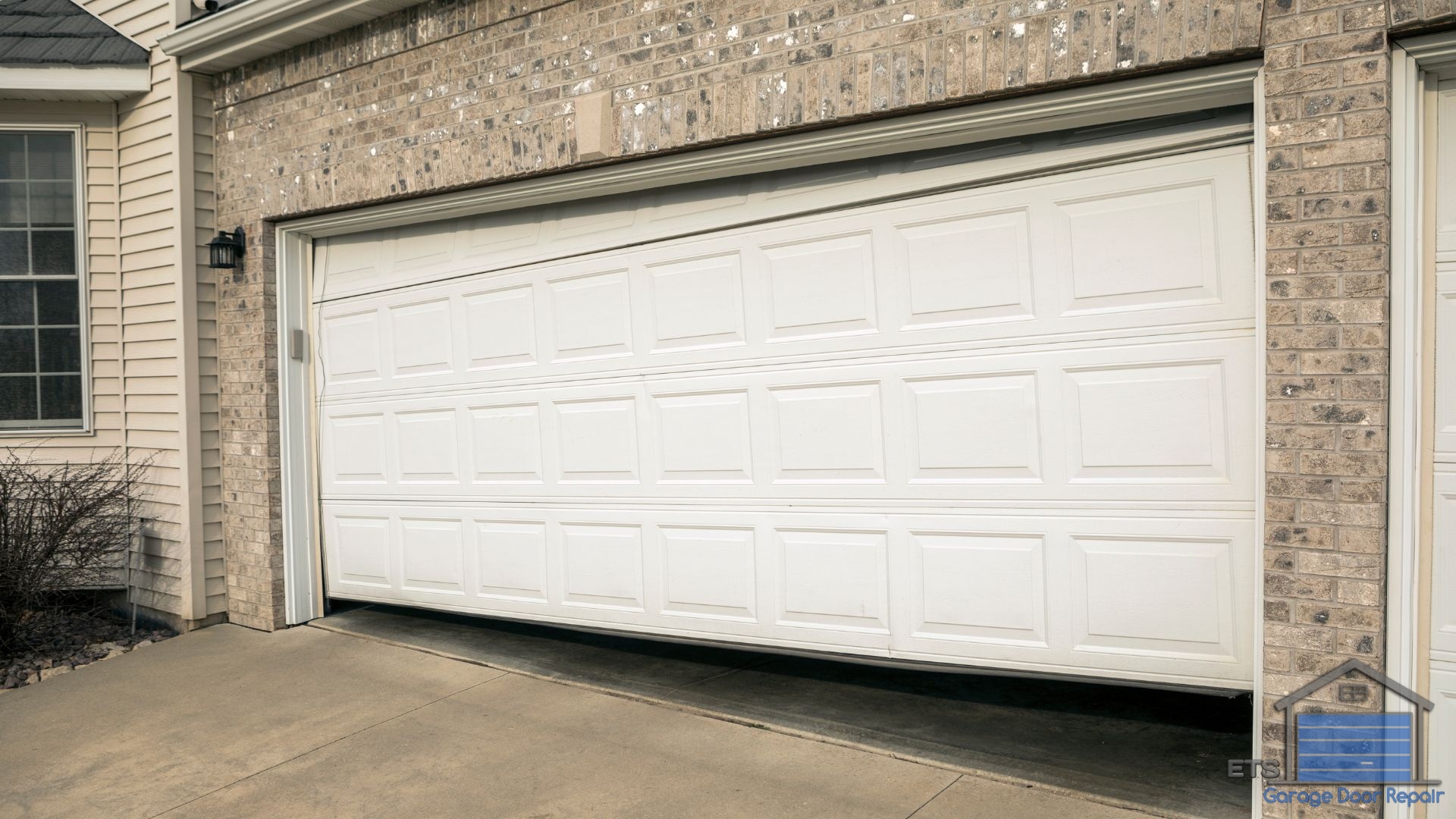
The tracks must be perfectly aligned and properly braced. Even a quarter-inch misalignment can cause binding, uneven wear, and eventual system failure.
How Do Garage Door Springs Work?
The spring system counterbalances the weight of your door, making it possible to lift a 150 to 400 pound door with minimal effort. Without properly functioning springs, your door opener would burn out quickly trying to lift the full weight.
There are two types of spring systems. Torsion springs mount on a shaft above the door opening and use torque to lift the door. Extension springs run along the horizontal tracks on each side and stretch to provide lifting force.
Most modern installations use torsion springs because they’re safer, last longer, and provide better balance. We install primarily torsion systems at ETS Garage Door Repair, especially for the larger doors common in newer Hillsboro neighborhoods like AmberGlen.
Springs are under extreme tension and are the most dangerous component to work on. This is one area where I strongly discourage DIY repairs.
The Cable System
Lift cables work in conjunction with your springs to raise and lower the door. These cables attach to the bottom corners of your door and wind around drums at the top when the door opens.
Cable failure is dangerous because it usually happens suddenly. When one cable breaks, the door becomes unbalanced and can crash down on one side. I’ve seen cables fail due to rust (common in our rainy climate), fraying from age, or coming off the drum due to spring problems.
I always inspect cables during maintenance visits because catching fraying early can prevent a dangerous failure.
The Opener and Drive System
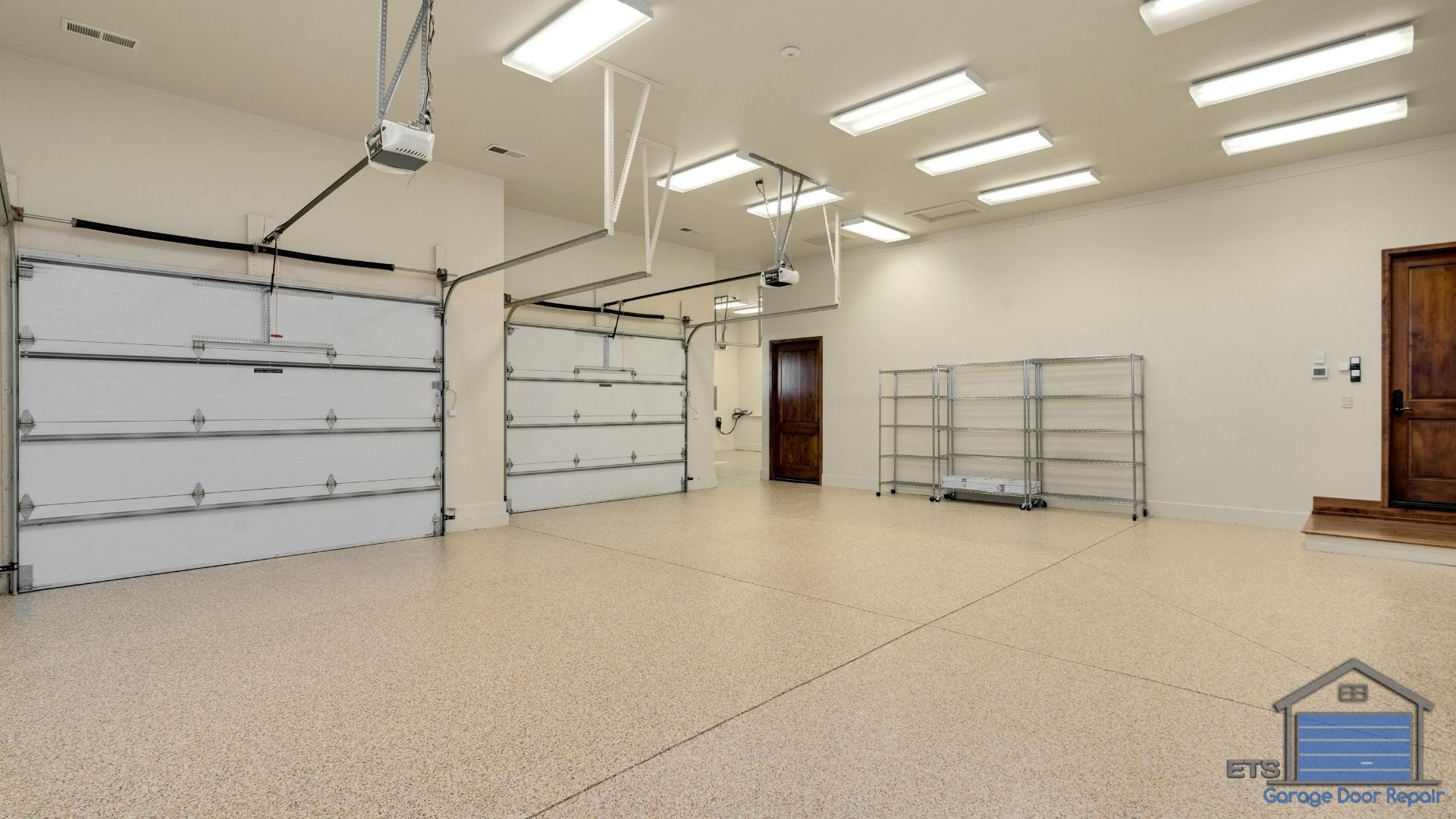
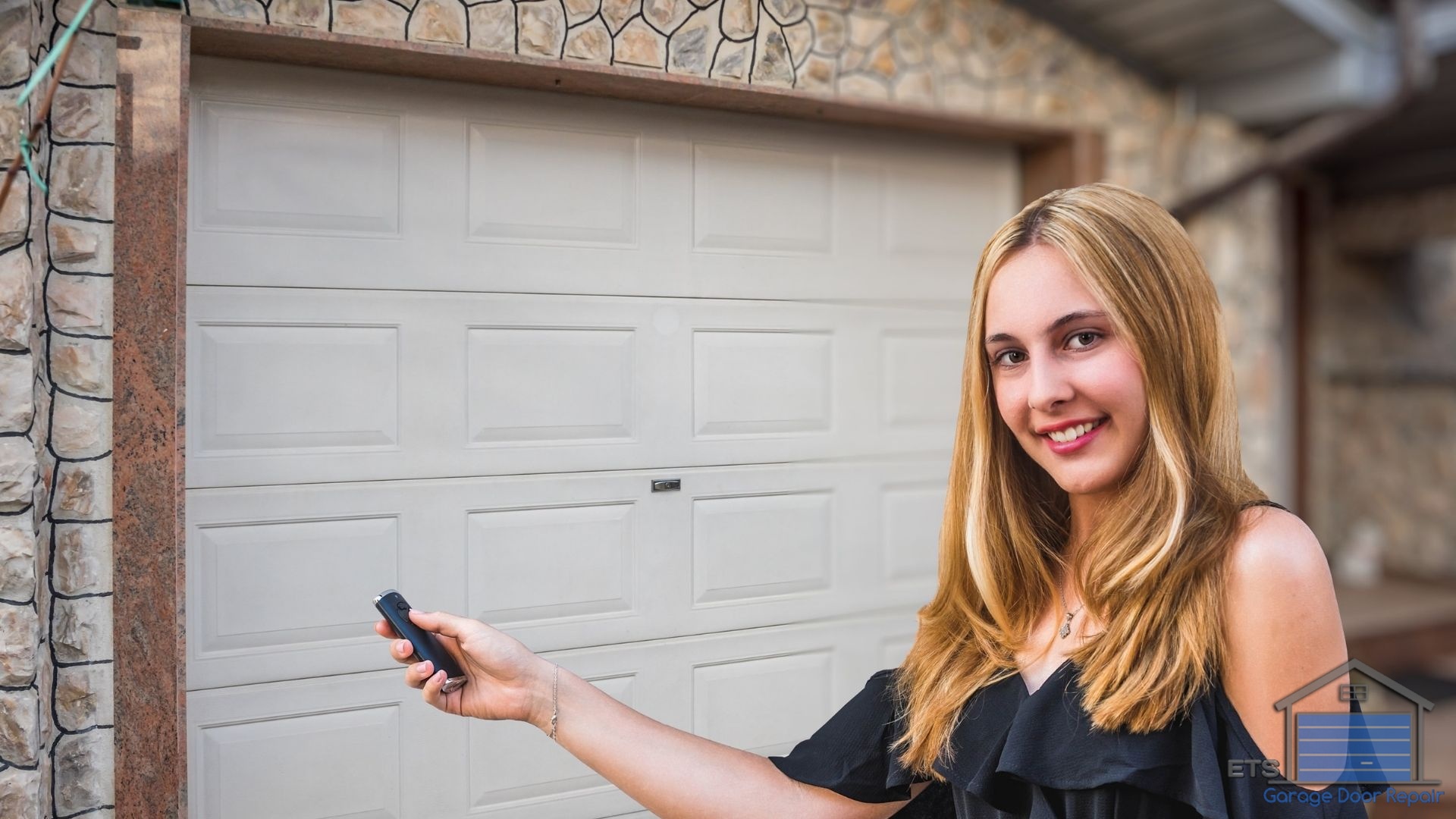
Your garage door opener provides the power to move the door, but it’s not doing the heavy lifting. Remember, that’s the springs’ job. The opener simply guides the door through its cycle.
The opener consists of a motor unit, a drive mechanism (chain, belt, or screw), and a trolley that connects to your door. Modern openers also include the logic board that controls operation and connects to smart home systems.
The trolley rides along the rail and connects to a J-arm attached to the top section of your door. This is where the opener’s force transfers to the door itself.
Safety Features That Protect Your Family
Modern garage doors include several critical safety components. Photo-eye sensors near the floor on each side of the door opening create an invisible beam. If anything breaks this beam while the door is closing, the door immediately reverses.
Your opener also has a force-setting feature that causes reversal if the door encounters resistance. This prevents the door from crushing objects or people.
The emergency release handle (that red cord hanging from your trolley) allows you to manually disconnect the door from the opener. This is essential during power outages or opener malfunctions, which we occasionally see during Hillsboro’s winter ice storms.
Additional Hardware Components
Several smaller but important parts complete your garage door system. The drums at the top of your door wind the lift cables. These are under extreme tension and should only be adjusted by professionals.
Brackets secure various components to the door and walls. The bottom bracket, where cables attach, is particularly dangerous because of cable tension.

Weatherstripping runs along the bottom and sides of your door to seal against weather and pests. In Washington County’s wet climate, I recommend checking this annually and replacing it when it becomes brittle or cracked.
Why Understanding Your Garage Door Matters
When you understand how these components work together, you’re better equipped to maintain your system properly. You’ll recognize warning signs like unusual noises, uneven movement, or slow operation.
This knowledge also helps you avoid scams. Unfortunately, I’ve seen homeowners taken advantage of because they didn’t understand what actually needed repair. When you know your door’s anatomy, you can ask informed questions and make better decisions, whether you need Hillsboro Garage Door Repair or are simply performing routine maintenance.
Trust ETS Garage Door Repair for All Your Garage Door Needs
Our team at ETS Garage Door Repair has been helping Hillsboro homeowners understand and maintain their garage door systems for years. We believe in educating our customers so you can make informed decisions about repairs and maintenance.
Whether you need a simple tune-up, emergency repair, or New Doors for complete system replacement, we’re here to help. We serve all of Hillsboro and surrounding Washington County areas with honest, professional service. Give us a call today to schedule an inspection or to discuss any concerns about your garage door system.


Leave A Comment