
Smart home technology has evolved dramatically, and garage door openers are no exception. In 2026, choosing the right smart garage door opener means navigating a landscape filled with AI integration, advanced security features, and seamless connectivity options. With so many choices available, finding the perfect fit for your home requires understanding your specific needs and the latest technological capabilities.
Table of Contents
Understanding Smart Garage Door Opener Technology in 2026
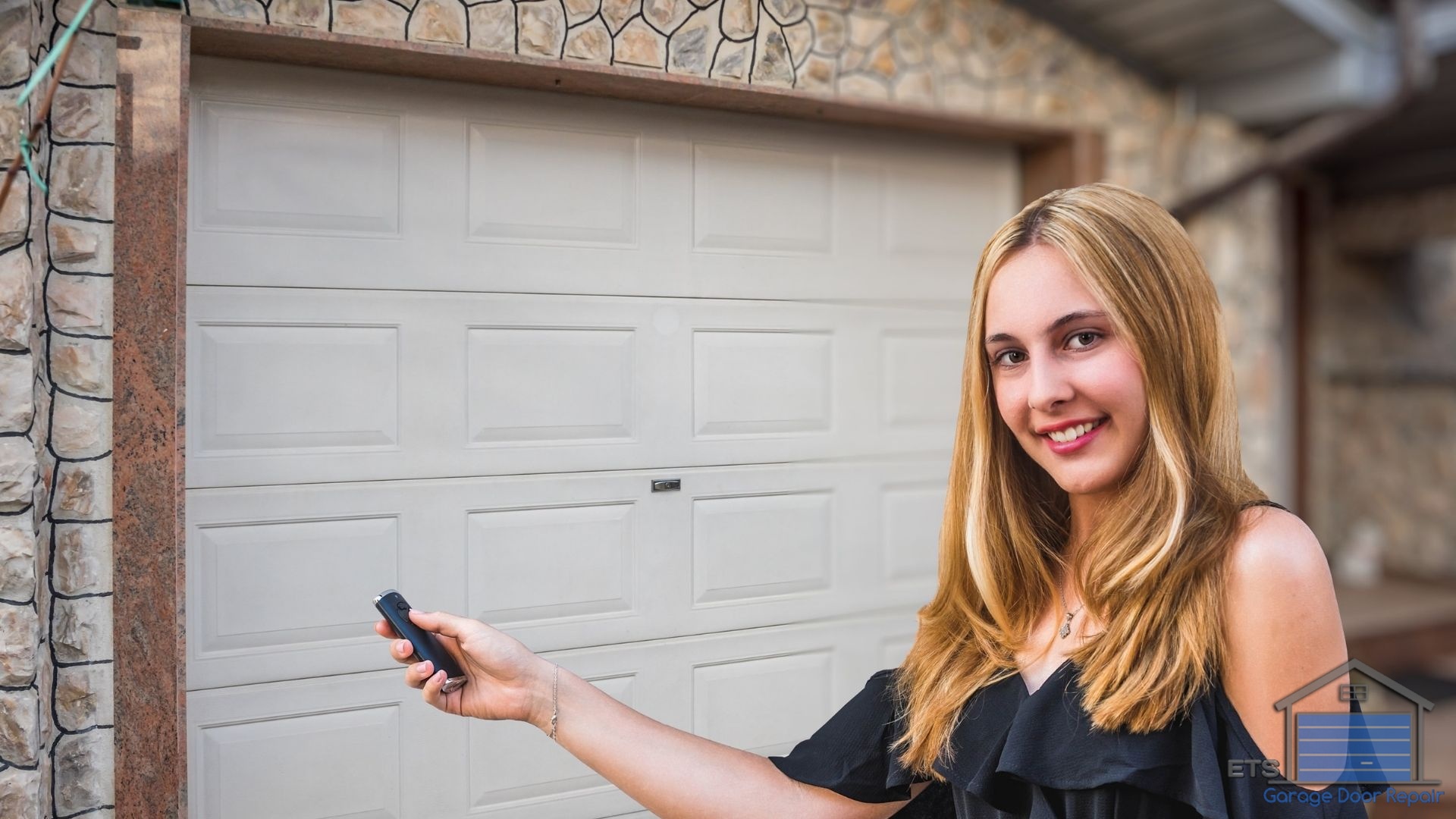
Today’s smart garage door openers go far beyond simple remote controls. They integrate with comprehensive smart home ecosystems, offer real-time monitoring through advanced sensors, and provide AI-powered predictive maintenance alerts.
Most modern systems now include Matter protocol support, ensuring compatibility across all major smart home platforms including Apple HomeKit, Google Home, Amazon Alexa, and Samsung SmartThings.
Key Features to Consider
Security and Encryption
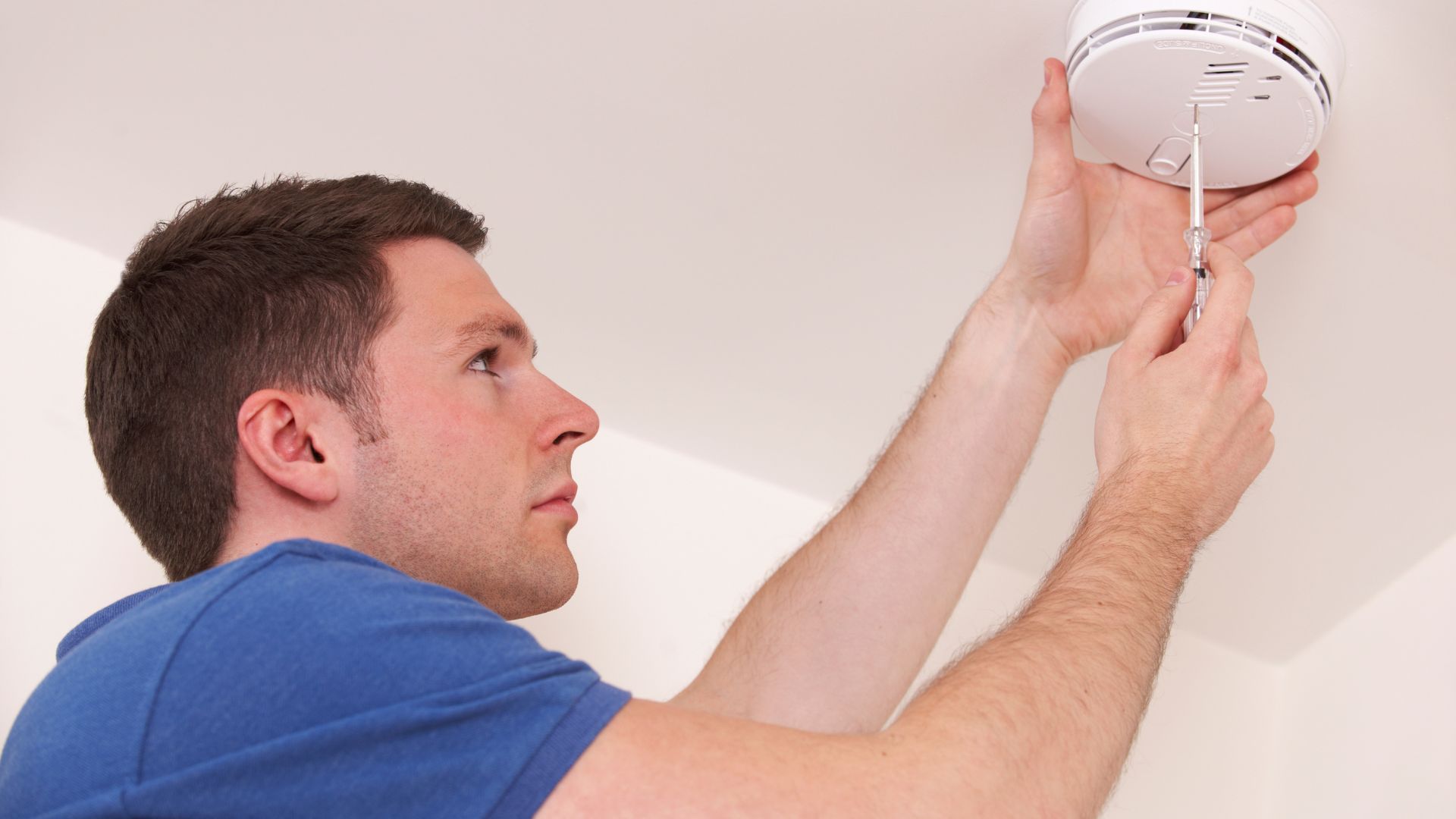
Security should be your top priority. Look for openers with quantum-resistant encryption protocols, which have become the industry standard in 2026. Features like two-factor authentication, facial recognition for video monitoring, and automatic closing schedules add additional layers of protection. The best systems now include AI anomaly detection that alerts you to unusual access patterns, helping you Prevent Damage To Your Garage Door through early warning systems.
Connectivity Options
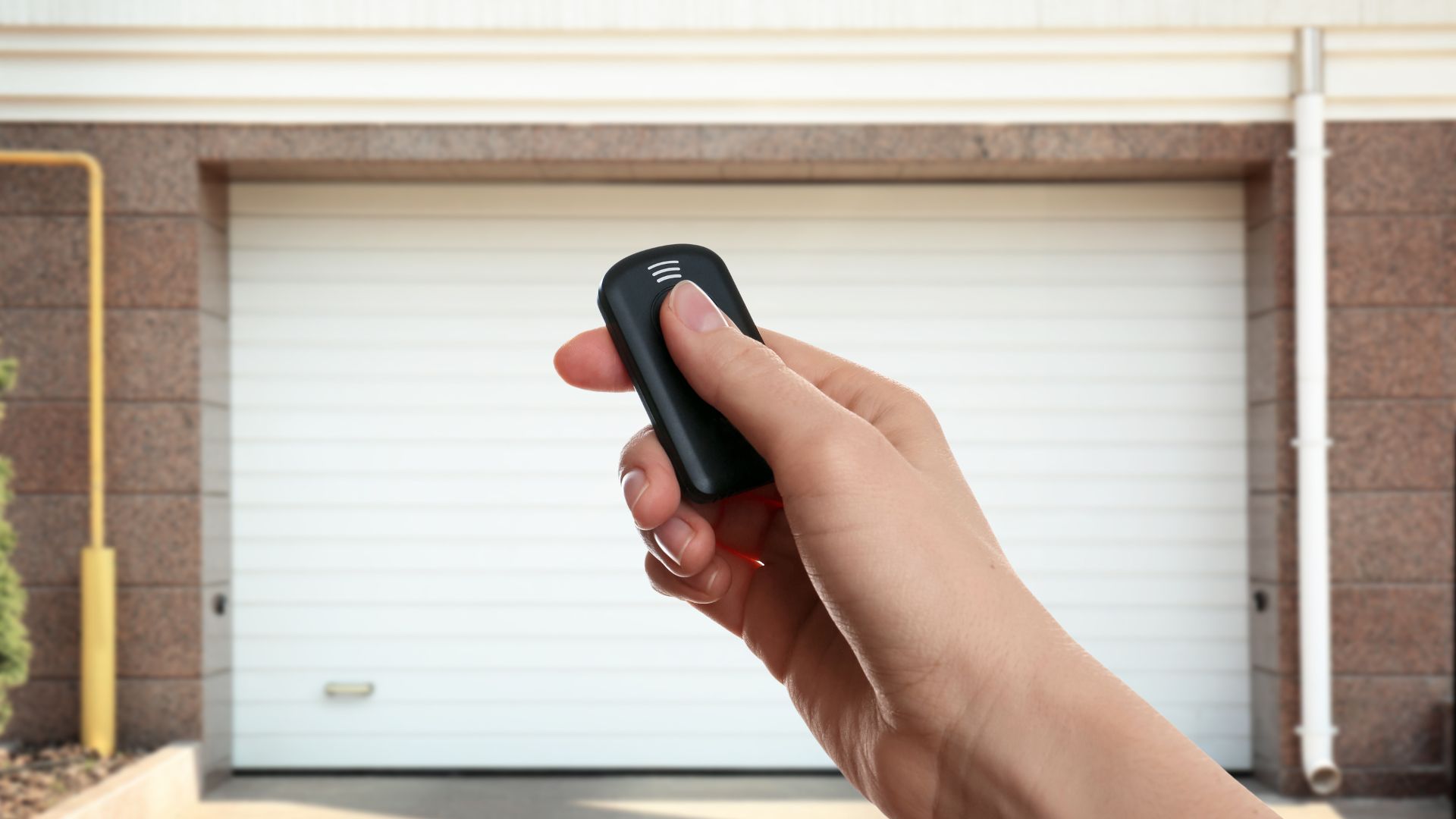
Modern smart garage door openers should support both Wi-Fi 7 and Thread networking for reliable, low-latency connections. Bluetooth 5.3 backup connectivity ensures you can always operate your door even during internet outages. Cloud-free local control options have also become increasingly important for privacy-conscious homeowners.
Power and Backup Systems
With extreme weather events becoming more common, battery backup capability is essential. Look for systems with integrated solar charging options or battery packs that can handle at least 50 open-close cycles during power outages. Some premium models now include kinetic energy recovery systems that charge the backup battery with each door operation.
Compatibility and Installation Considerations
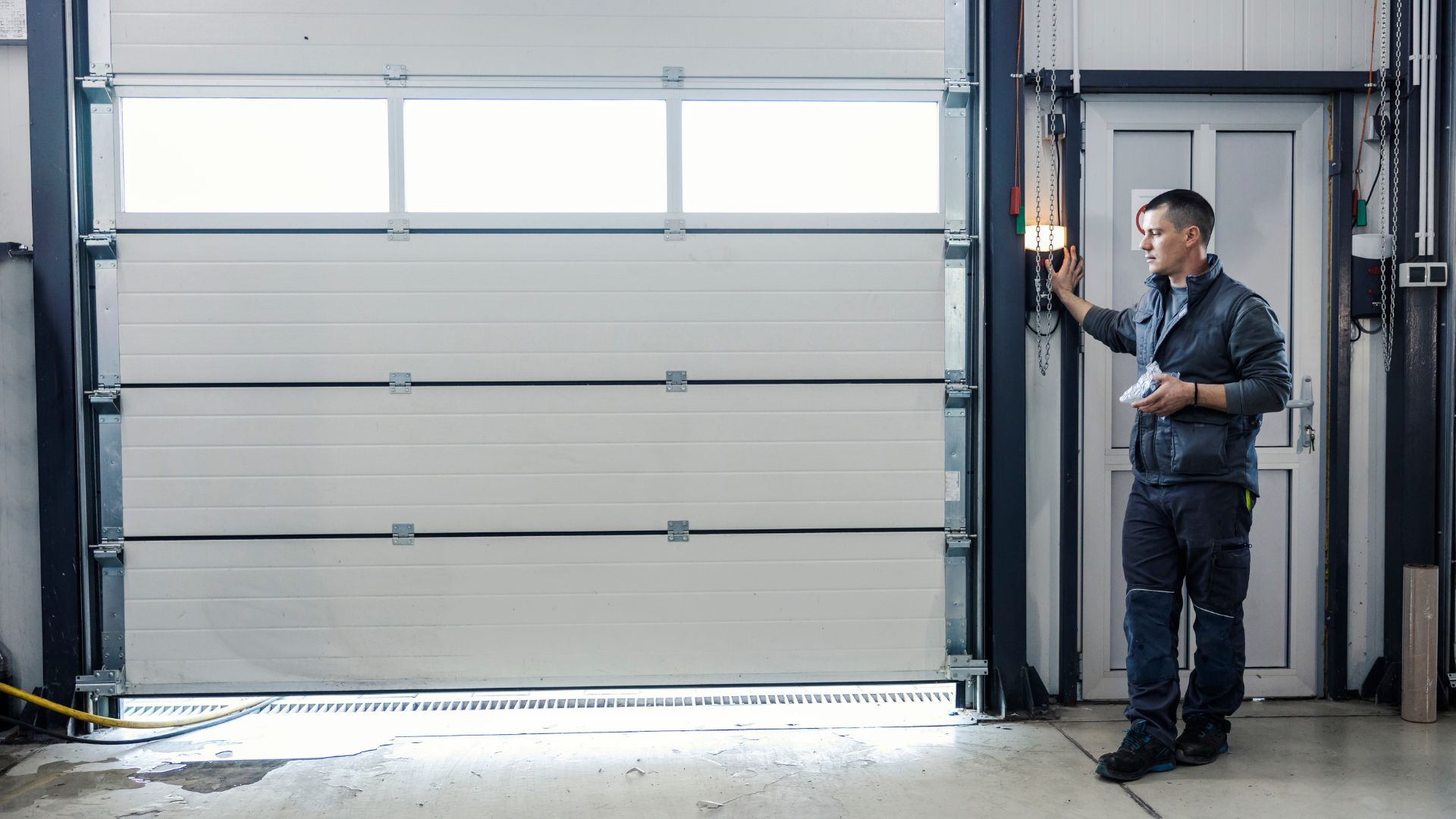
Before purchasing, verify that your chosen opener is compatible with your existing garage door system. Most 2026 models work with doors installed after 1993, but older doors may require additional adapters. Consider whether you want professional installation from experts like Hillsboro Garage Door Repair or a DIY-friendly model. Many manufacturers now offer AR-guided installation through smartphone apps, making DIY installation more accessible than ever.
Essential Smart Features Worth the Investment
- Delivery monitoring: Integrated cameras with package detection and secure delivery access codes
- Vehicle recognition: Automatic opening based on approaching registered vehicles
- Environmental sensors: Temperature, humidity, and air quality monitoring
- Energy tracking: Insights into door usage patterns and energy consumption
- Voice control: Hands-free operation through natural language commands
Budget Considerations
In 2026, smart garage door openers range from $200 for basic models to over $800 for premium systems. Mid-range options ($350-$500) typically offer the best value, including essential smart features without unnecessary extras.
Factor in potential subscription costs for cloud storage and advanced AI features, which typically run $3-$10 monthly. If you’re experiencing frequent malfunctions or outdated technology, these may be Signs It’s Time To Replace Your Garage Door opener system entirely.
Conclusion
Choosing the right smart garage door opener in 2026 means balancing security, convenience, and future-proofing. Prioritize quantum-resistant security, Matter protocol compatibility, and reliable backup power systems. Consider your smart home ecosystem, installation preferences, and must-have features with tools like Door Designer to visualize your complete garage upgrade.
By focusing on these key factors, you’ll select an opener that not only meets your current needs but adapts to the evolving smart home landscape for years to come.

Leave A Comment