

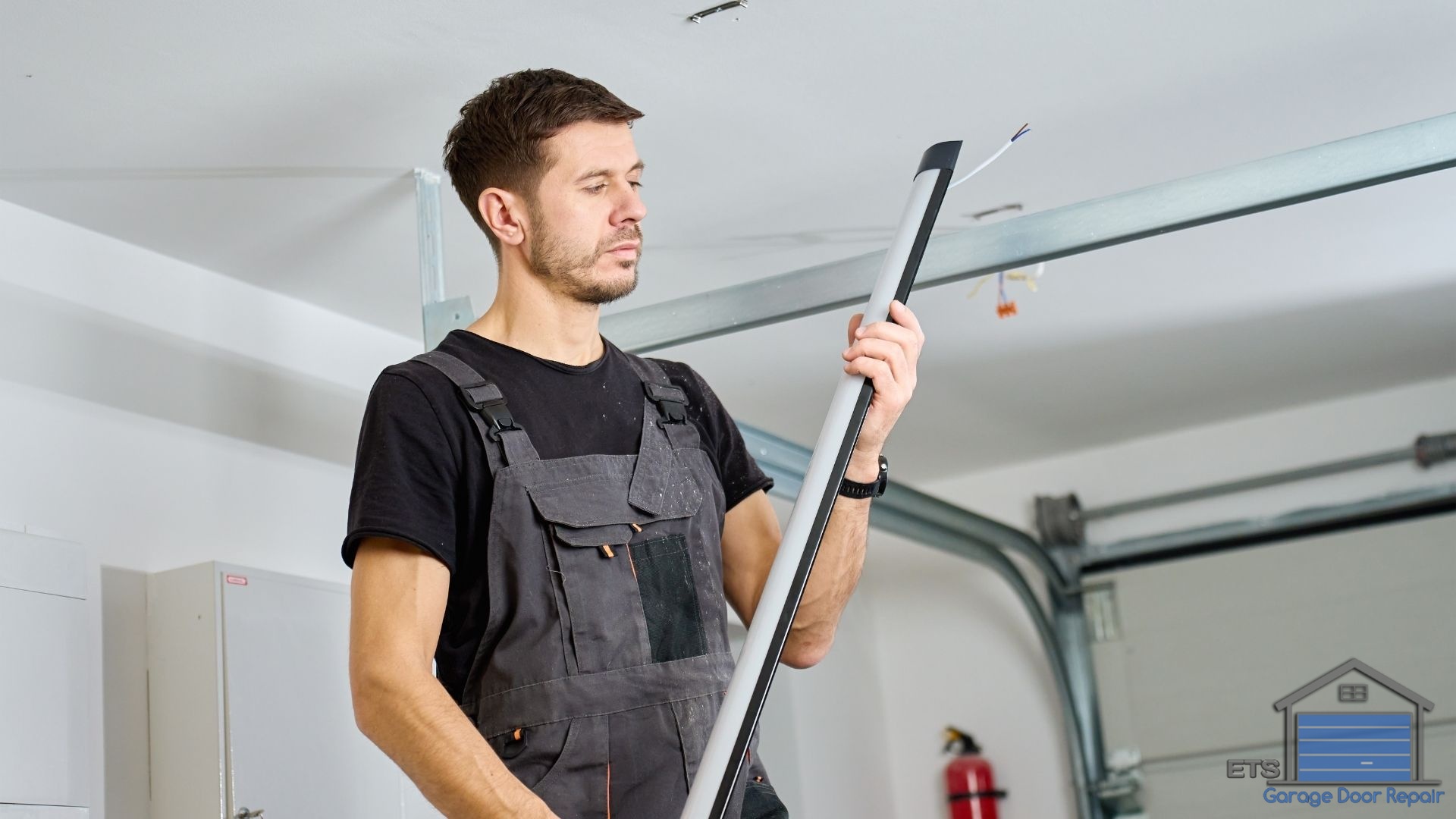
I can’t tell you how many service calls I get here in Hillsboro where a homeowner is frustrated because their garage door suddenly refuses to close. They press the button, the door starts to go down, then it reverses right back up. Nine times out of ten, when I arrive at their home, the culprit is misaligned or malfunctioning safety sensors.
After years of servicing garage doors throughout Washington County, I’ve learned that these little photo-eye sensors are both a blessing and a source of constant confusion for homeowners. They’re designed to keep your family safe, but when they stop working properly, they can be incredibly frustrating. Let me walk you through exactly how to troubleshoot them, based on what I see every day in the field.
Table of Contents
What Do Garage Door Safety Sensors Actually Do?
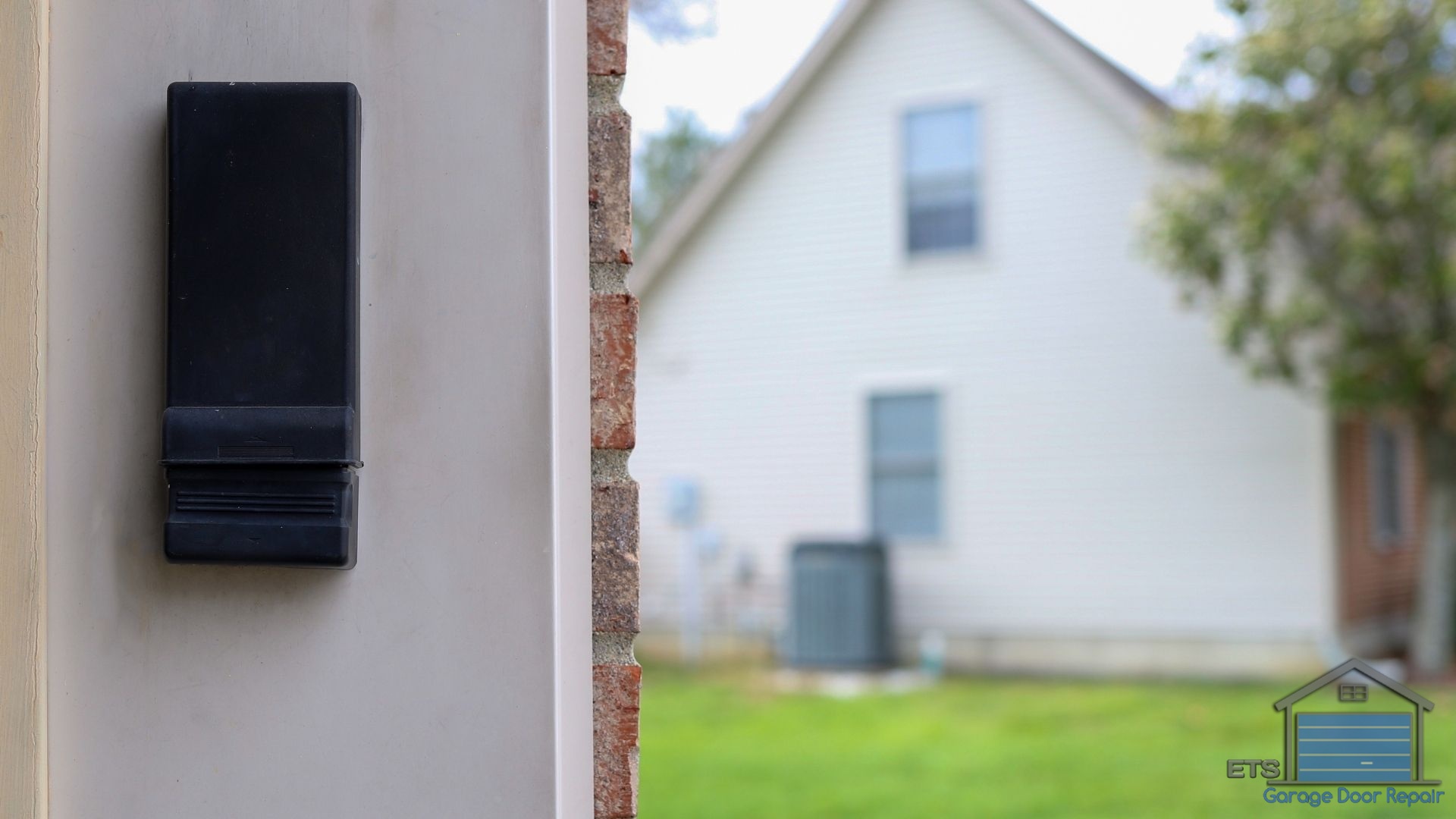
Garage door safety sensors are two small devices mounted on either side of your garage door opening, typically about six inches above the floor. One sensor sends an invisible infrared beam across the opening to the other sensor. If anything interrupts that beam while the door is closing, the system immediately reverses the door to prevent injury or damage.
This safety feature has been federally mandated since 1993, and it’s saved countless children, pets, and vehicles from being crushed. But like any technology, these sensors need proper alignment and maintenance to function correctly.
In our rainy Pacific Northwest climate, I also see sensors affected by moisture, spider webs, and debris more than in drier regions. It’s something we deal with regularly at homes throughout Orenco, Tanasbourne, and the rest of Hillsboro with our Hillsboro Garage Door Repair services.
How Do I Know If My Safety Sensors Are the Problem?
Your safety sensors are likely the issue if your garage door closes when you hold down the wall button but reverses immediately when you use the remote. This is the number one indicator I look for when diagnosing sensor problems. The door will close with constant pressure on the wall button because you’re overriding the safety system, but it won’t close normally using the remote or after a single button press.
You’ll also notice indicator lights on the sensors themselves. Most modern sensors have small LED lights, one sensor typically has a green light and the other has a red or amber light. If these lights are off, blinking, or not showing their normal solid illumination, you’ve got a sensor issue.
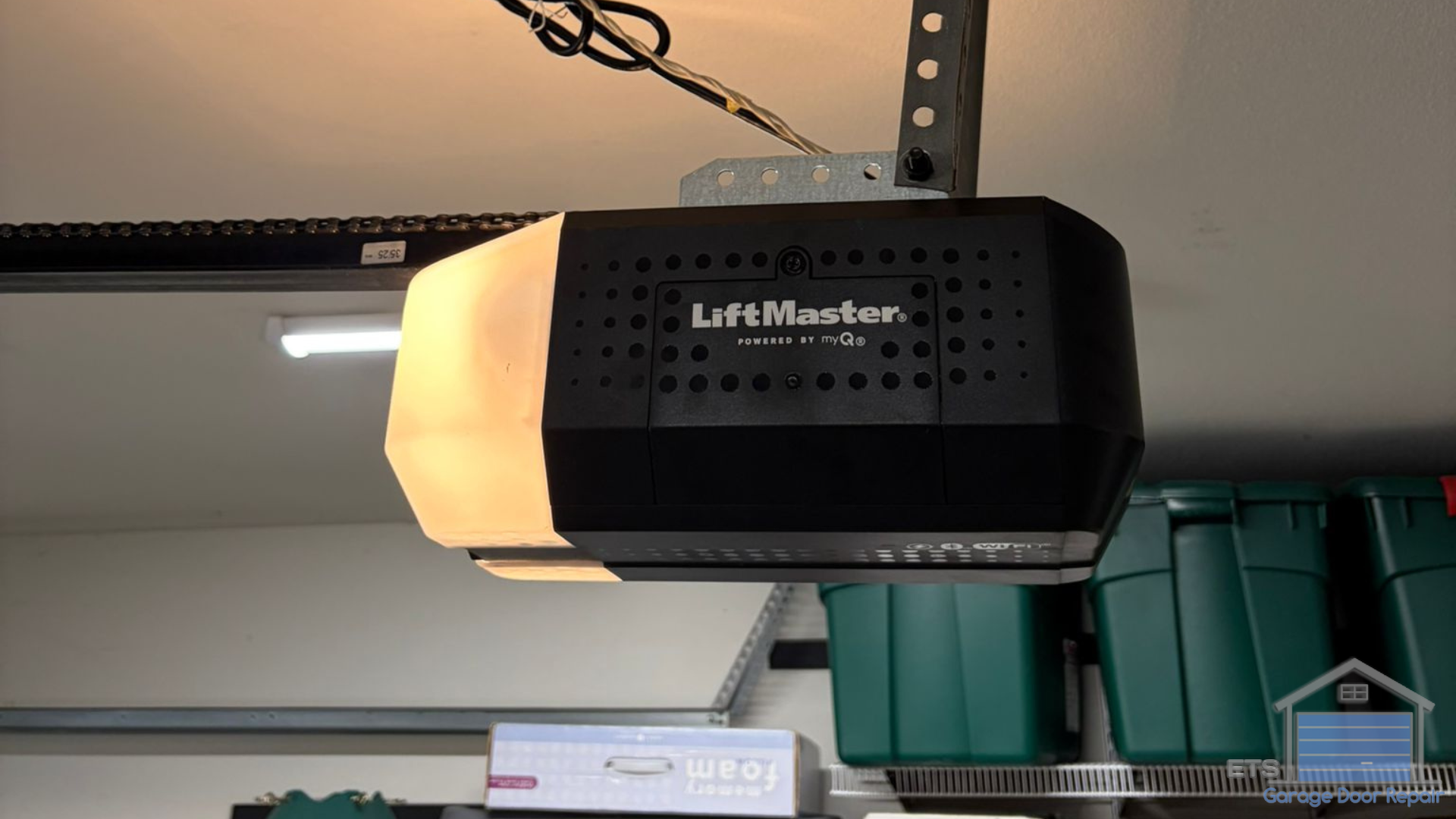
Another telltale sign is when your garage door opener lights blink a certain number of times after the door reverses. Different manufacturers use different blink patterns, but typically you’ll see the lights flash multiple times to indicate a sensor obstruction or misalignment.
Step-by-Step Guide to Realigning Your Garage Door Sensors
The first thing I do when I arrive at a Hillsboro home with sensor issues is check the alignment. Over time, sensors get bumped by lawn equipment, bikes, basketballs, or they simply shift from vibration as the door operates thousands of times per year.
Start by looking at both sensors from different angles. They should be pointing directly at each other, perfectly level and at the same height. If one is angled even slightly up or down, or tilted to the side, that’s your problem.
Each sensor is held in place by a mounting bracket with a wing nut or bolt. Loosen this hardware just enough that you can adjust the sensor angle by hand. Don’t remove the sensors completely, just loosen them enough to pivot.
Here’s my professional trick: have someone help you by watching the indicator lights while you adjust. Slowly move one sensor until the light changes from blinking to solid. Make tiny adjustments because the beam is narrow and precision matters.
Once both lights show solid illumination, tighten the mounting hardware carefully. Be gentle because overtightening can shift the sensor again. Test the door several times to make sure it closes reliably.
What If Alignment Isn’t the Problem?
Sometimes I find that sensors are perfectly aligned but still not working. In these cases, I check for obstructions or environmental factors. Spider webs across the sensor lens are incredibly common in garages around Shute Park and Reedville, especially during summer and fall.
Dirt, dust, and water spots on the sensor lenses can also block the infrared beam. I use a soft, clean cloth to gently wipe both sensor lenses. Avoid harsh chemicals or abrasive materials that could scratch the lens.
Direct sunlight can also interfere with sensors, though this is less common in Oregon than in sunnier climates. If your door only has issues during certain times of day when the sun shines directly on the sensors, you might need to install a sun shield or reposition the sensors slightly.
Checking the Sensor Wiring and Connections
If your sensors still aren’t working after alignment and cleaning, the issue might be electrical. I check the wiring that runs from each sensor back to the garage door opener motor unit. Look for any cuts, fraying, or damage to the wires, especially near the sensor mounting brackets where the wire can get pinched.
Follow the wires back to where they connect to your garage door opener. These connections can work loose over time from door vibration. Disconnect and reconnect each wire firmly to ensure a solid connection, and if you’re considering other garage door components, our Door Designer can help you explore options.
Check that the wires aren’t reversed at the connection points. Each sensor wire typically has two conductors, often white and white with a black stripe, or other color coding. They need to be connected to the correct terminals on the opener unit.
When Should You Replace Your Safety Sensors?
Safety sensors typically last 10 to 15 years, but they can fail sooner due to moisture damage, physical damage, or manufacturing defects. If you’ve tried everything above and your sensors still aren’t working, replacement is likely necessary.
I also recommend replacing sensors if the lens is cracked, if the housing is damaged, or if you notice corrosion on the electrical connections. Here in Hillsboro, our damp winters can accelerate corrosion on older sensors, particularly in garages that aren’t well sealed.
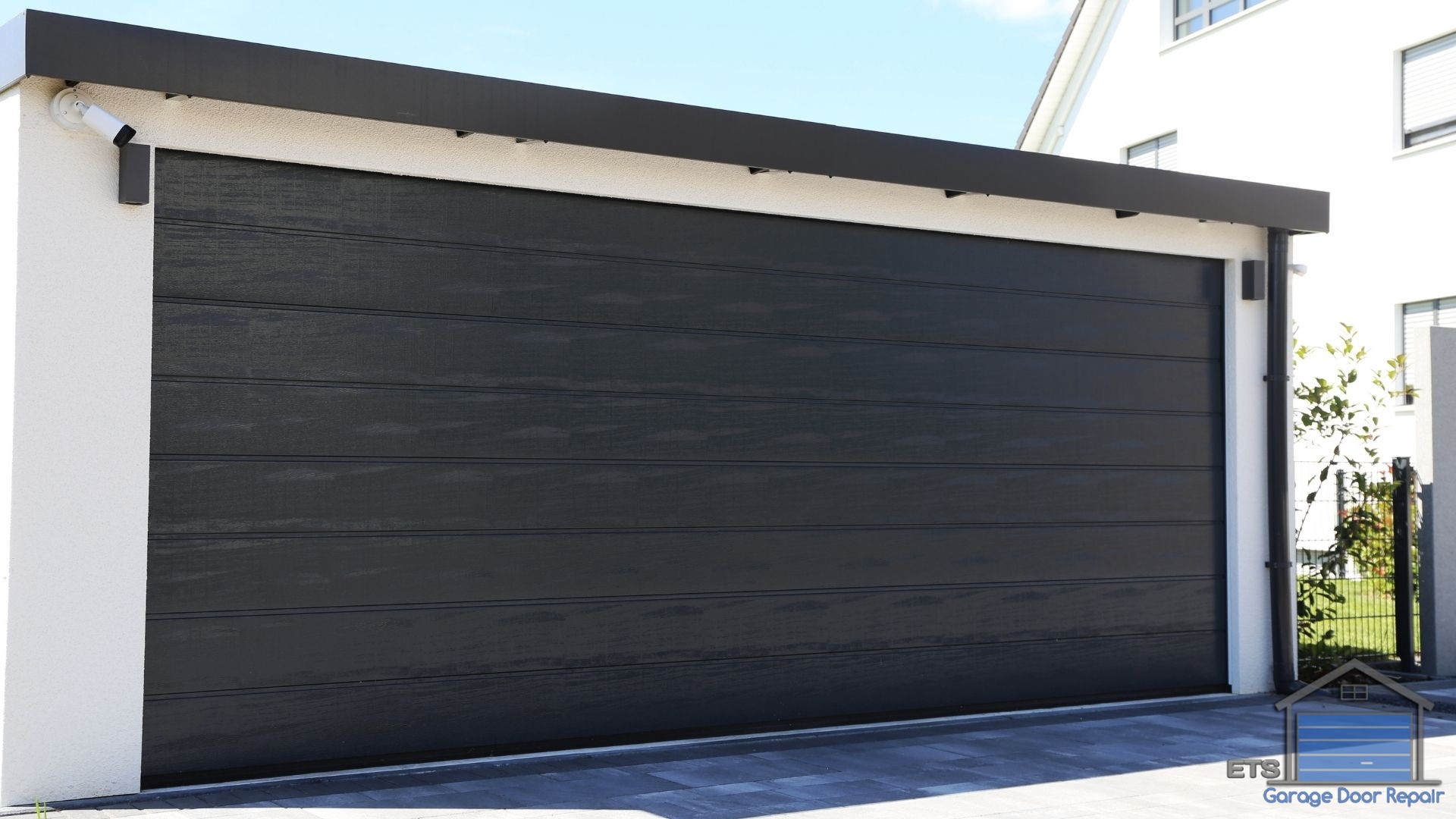
The cost of new sensors is relatively modest compared to the safety they provide, and for homeowners interested in understanding repair and replacement costs, our guide on 2026 Garage Door Installation Cost Guide offers helpful information. I’ve replaced countless sensor pairs for homeowners throughout AmberGlen and Tanasbourne, and it’s always a straightforward repair that restores full functionality.
Let Us Help Keep Your Garage Door System Safe and Reliable
Safety sensors are a critical component of your garage door system, and they’re usually easy to troubleshoot once you know what to look for. However, I completely understand if you’d rather have a professional handle it, especially since working with garage door components can involve safety considerations similar to those discussed in our DIY Vs Professional Garage Door Spring Replacement Safety And Cost Analysis. Working with electrical components and garage door systems can be intimidating, and there’s no shame in calling for help.
Our team at ETS Garage Door Repair of Hillsboro has been serving local homeowners for years, and we’ve diagnosed and repaired thousands of safety sensor issues. We carry replacement sensors for all major brands, and we can typically fix sensor problems in a single service visit.
If you’re dealing with a garage door that won’t close, or if you’re just not sure whether your sensors are working properly, give us a call. We’ll come to your home, diagnose the issue accurately, and get your door working safely again. Your family’s safety is worth the peace of mind that comes from knowing your garage door system is functioning exactly as it should.



Leave A Comment