

After years of running ETS Garage Door Repair of Hillsboro, I can tell you that most emergency calls I receive could have been prevented with a simple monthly inspection. Homeowners often wait until something breaks completely, turning a minor adjustment into a major repair bill.
I’ve developed a 15-minute monthly maintenance routine that our team recommends to every client. This quick check catches problems early and keeps your garage door running smoothly year-round, which is especially important in Oregon’s damp climate where rust and moisture-related issues are common.
Table of Contents
Why Monthly Garage Door Inspections Matter
Your garage door operates an average of 1,500 cycles per year, making it one of the most-used mechanical systems in your home. Each cycle puts stress on springs, cables, rollers, and other components that gradually wear down.
In my experience serving Hillsboro homeowners, monthly inspections catch about 80% of problems before they become emergencies. A frayed cable spotted early costs around $150 to replace, but waiting until it snaps can mean $400 or more in damage to your door panels and other components.
The Pacific Northwest climate adds another layer of importance. Our wet winters cause metal parts to rust faster, and occasional ice storms can throw sensors out of alignment.
What Does a Monthly Garage Door Inspection Include?
A proper monthly inspection covers 10 critical checkpoints that take about 15 minutes total. I perform these same checks on my own garage door at home in the Orenco area, and I’ve trained our entire team to teach this routine to customers.
These inspections don’t require special tools or technical knowledge. You just need your eyes, ears, and about a quarter-hour of attention.
The Complete 15-Minute Inspection Checklist
1. Visual Balance Test
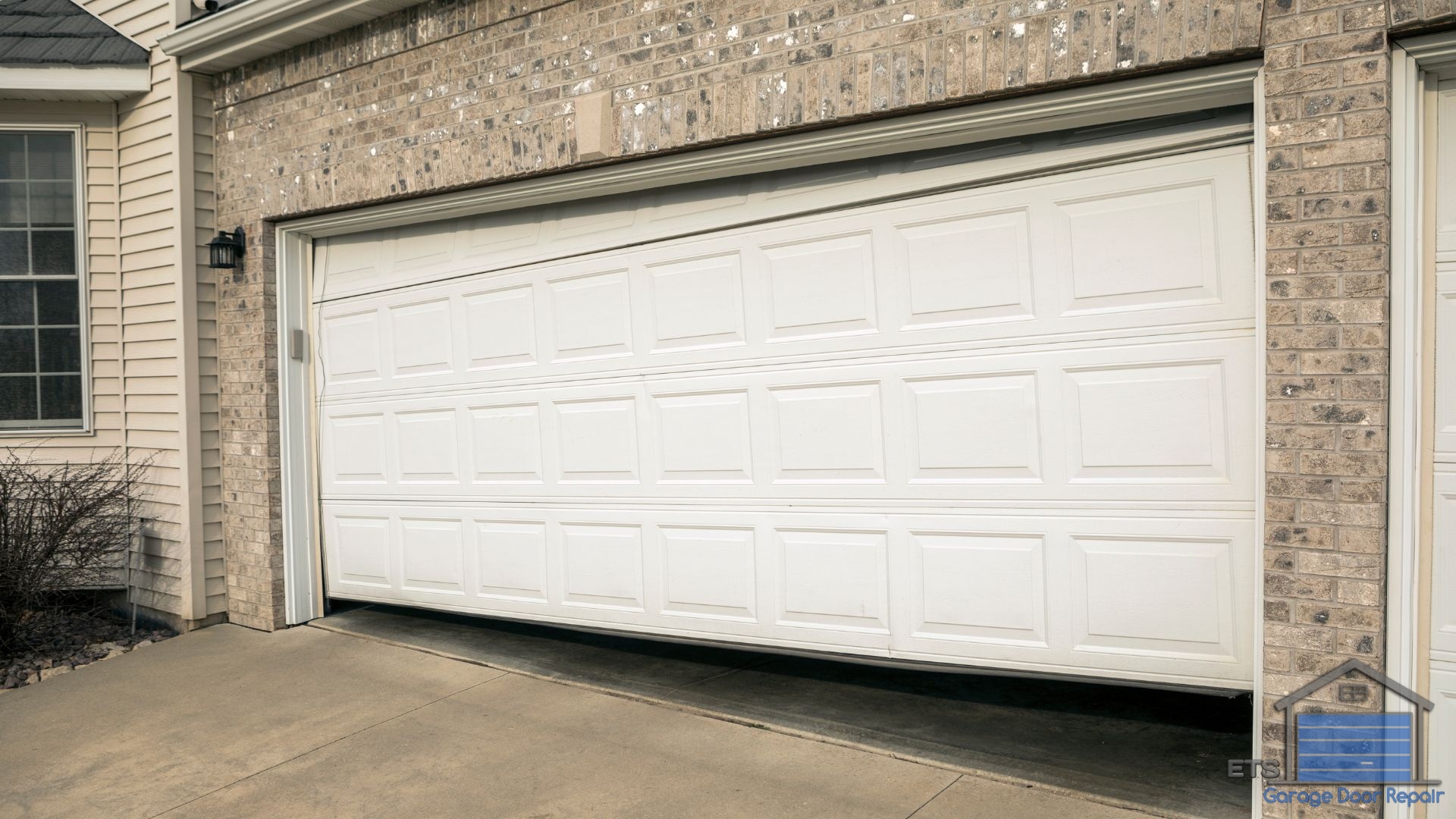
Disconnect your opener and manually lift the door halfway. A properly balanced door should stay in place without moving up or down. If it falls or rises on its own, your springs need adjustment, and you should call our team right away.
2. Listen During Operation
Close your eyes and listen as the door opens and closes. Grinding, scraping, or squealing sounds indicate parts that need lubrication or replacement. We get calls every week from Hillsboro residents who ignored these warning sounds until something broke.
3. Inspect the Springs
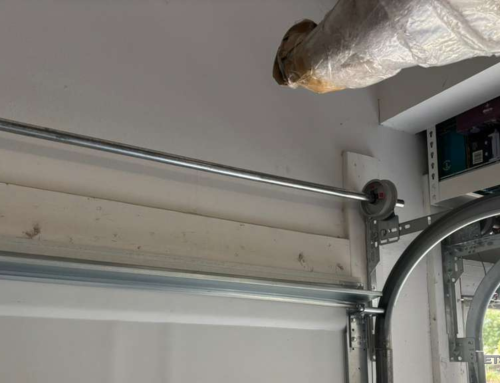
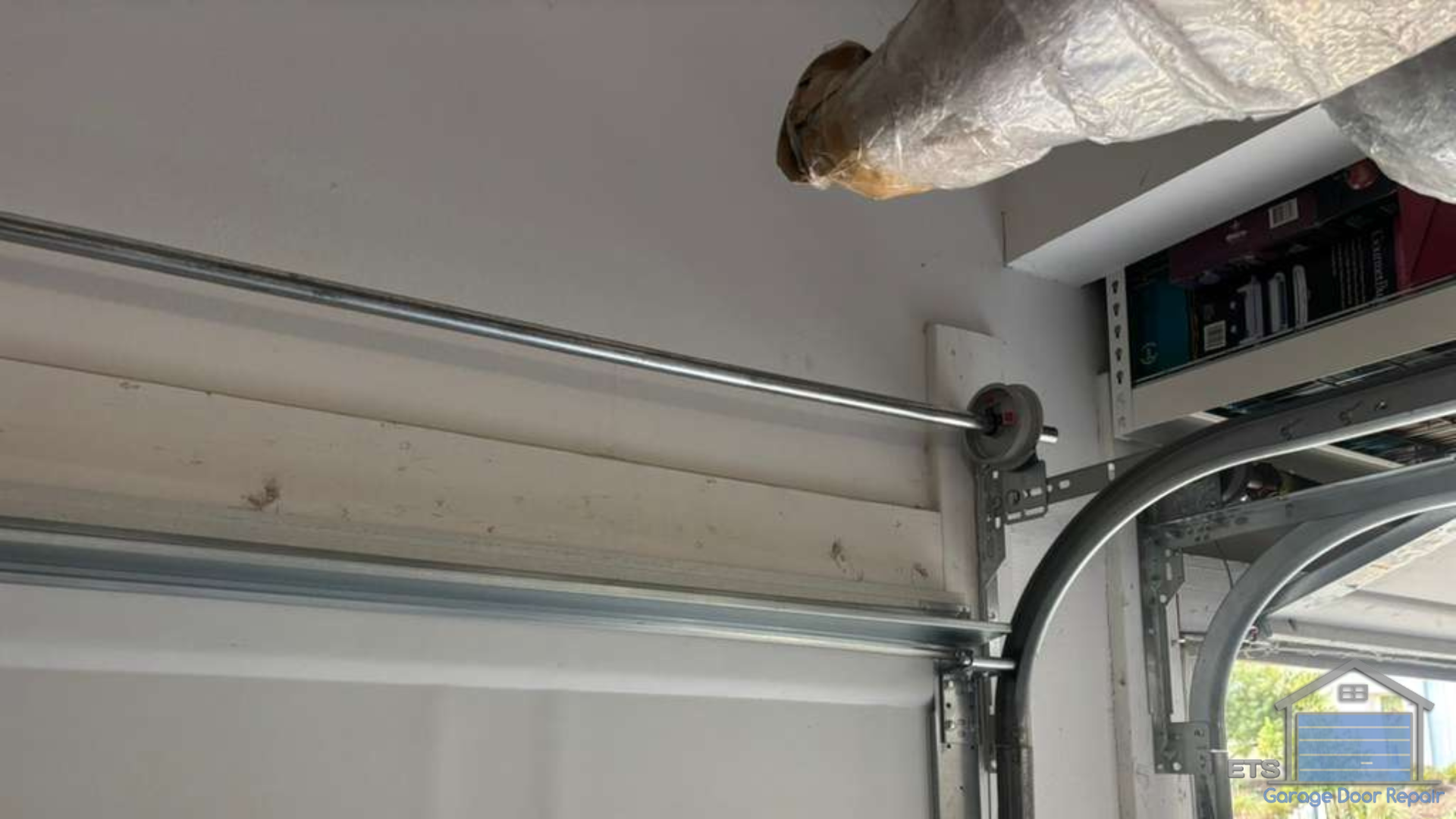
Look at the torsion springs above your door or extension springs along the tracks. Check for gaps, rust, or visible wear. Never touch or adjust springs yourself, as they hold extreme tension and can cause serious injury.
4. Examine All Cables
Check the cables running from the bottom corners of your door up to the springs. Look for fraying, broken strands, or rust. Even one broken strand means the cable needs immediate replacement.
5. Test the Auto-Reverse Safety Feature
Place a solid object like a piece of wood on the ground where the door closes. The door should reverse immediately upon contact. This safety feature prevents injuries and is required by code.
6. Check the Photo-Eye Sensors
Wipe the sensor lenses clean with a dry cloth. Wave an object between the sensors while closing the door to verify they trigger the reverse. Misaligned sensors are one of the most common issues I see in Washington County homes.
7. Inspect All Rollers
Look at each roller on both sides of the door. Worn rollers have cracks, chips, or loose bearings. Most rollers need replacement every 5 to 7 years, but Oregon’s moisture can accelerate wear.
8. Examine Door Panels
Check for dents, cracks, rust, or water damage on all panels. Small issues grow quickly in our rainy climate. I’ve seen minor water damage in Tanasbourne homes turn into Full Panel Replacements within a year when ignored.
9. Test the Weather Seal
The rubber seal at the bottom of your door should make full contact with the ground when closed. Cracked or brittle seals let rain, pests, and cold air into your garage. This is especially important during Pacific Northwest winters.
10. Check All Hardware
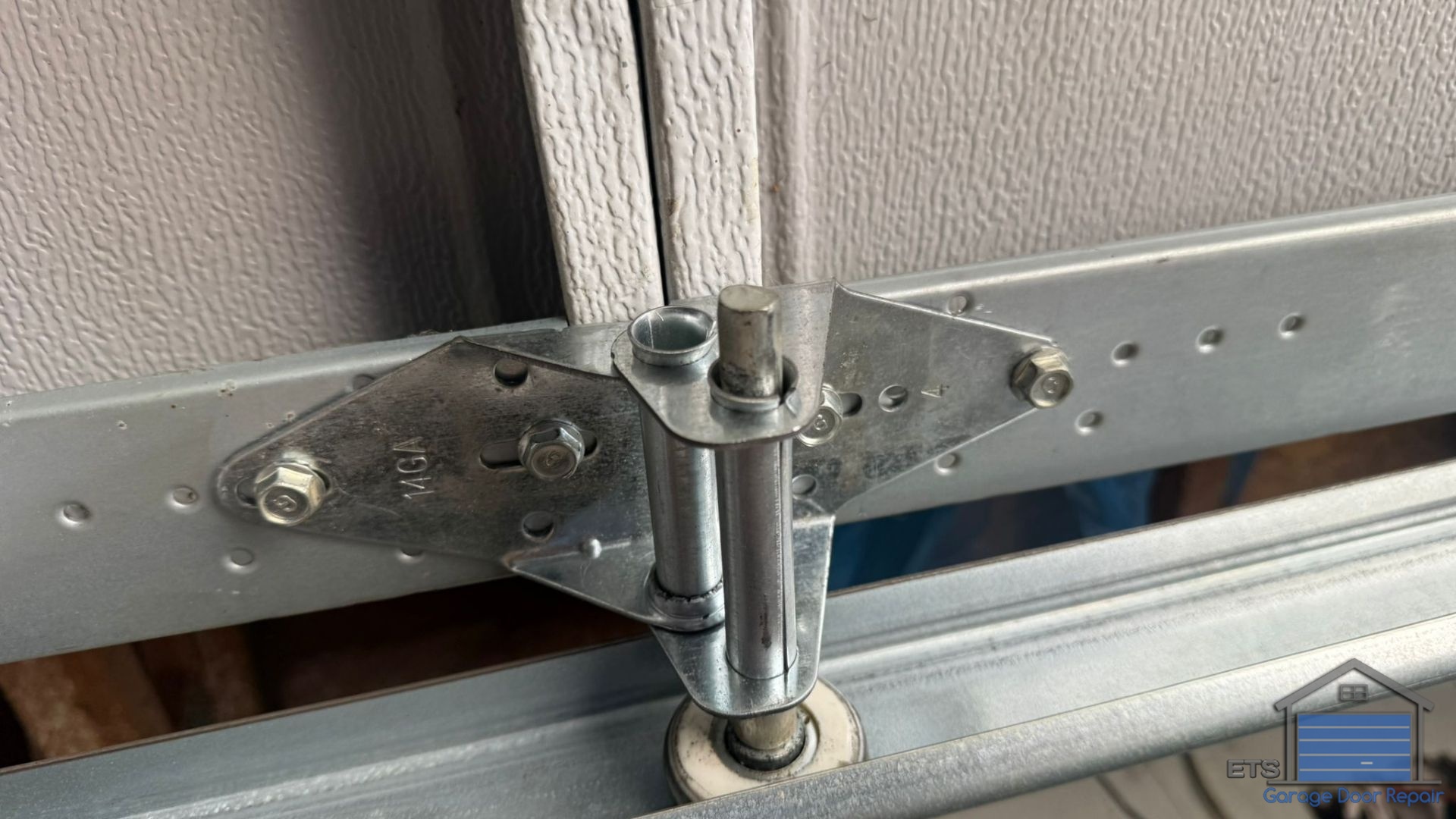
Look at the brackets, bolts, and hinges holding your door together. Tighten any loose hardware with a socket wrench. The constant vibration from daily use gradually loosens these connections.
How Often Should You Perform Professional Maintenance?
Monthly self-inspections should be combined with Professional Maintenance once or twice per year. We recommend professional service every six months for most Hillsboro homeowners, though homes with heavy usage may benefit from quarterly visits.
Professional maintenance includes lubrication, spring tension adjustment, track alignment, and detailed safety testing that goes beyond what homeowners can do themselves. Our team has the tools and training to spot issues you might miss during your monthly check.
What to Do When You Find a Problem
If your monthly inspection reveals worn parts, strange sounds, or safety concerns, don’t wait to address them. Small problems compound quickly with garage doors because every component depends on the others working correctly.
Some issues like cleaning sensors or tightening loose bolts are safe DIY tasks. But spring adjustments, cable replacement, and major repairs require professional service. I’ve seen too many DIY attempts go wrong, sometimes resulting in injuries or thousands in additional damage.
Keep a simple log of your monthly inspections. Note the date and any concerns you observed. This record helps our technicians when you do need Professional Service and gives you a maintenance history if you sell your home.
Protect Your Investment with Regular Inspections
Your garage door represents a significant investment in your home’s security, convenience, and curb appeal. These 15-minute monthly inspections are the easiest way to protect that investment and avoid emergency repair bills.
I’ve built ETS Garage Door Repair of Hillsboro on the principle that preventive maintenance saves our customers money and stress. Our team is always available to answer questions about what you find during your inspections or to schedule professional maintenance.
If your monthly check reveals any concerns, or if it’s been more than six months since your last professional service, give us a call. We’ll make sure your garage door stays safe, reliable, and ready for whatever the Pacific Northwest weather throws at it. For more information on selecting the best door for your climate, check out our Complete Guide To Garage Door Materials.


Leave A Comment