

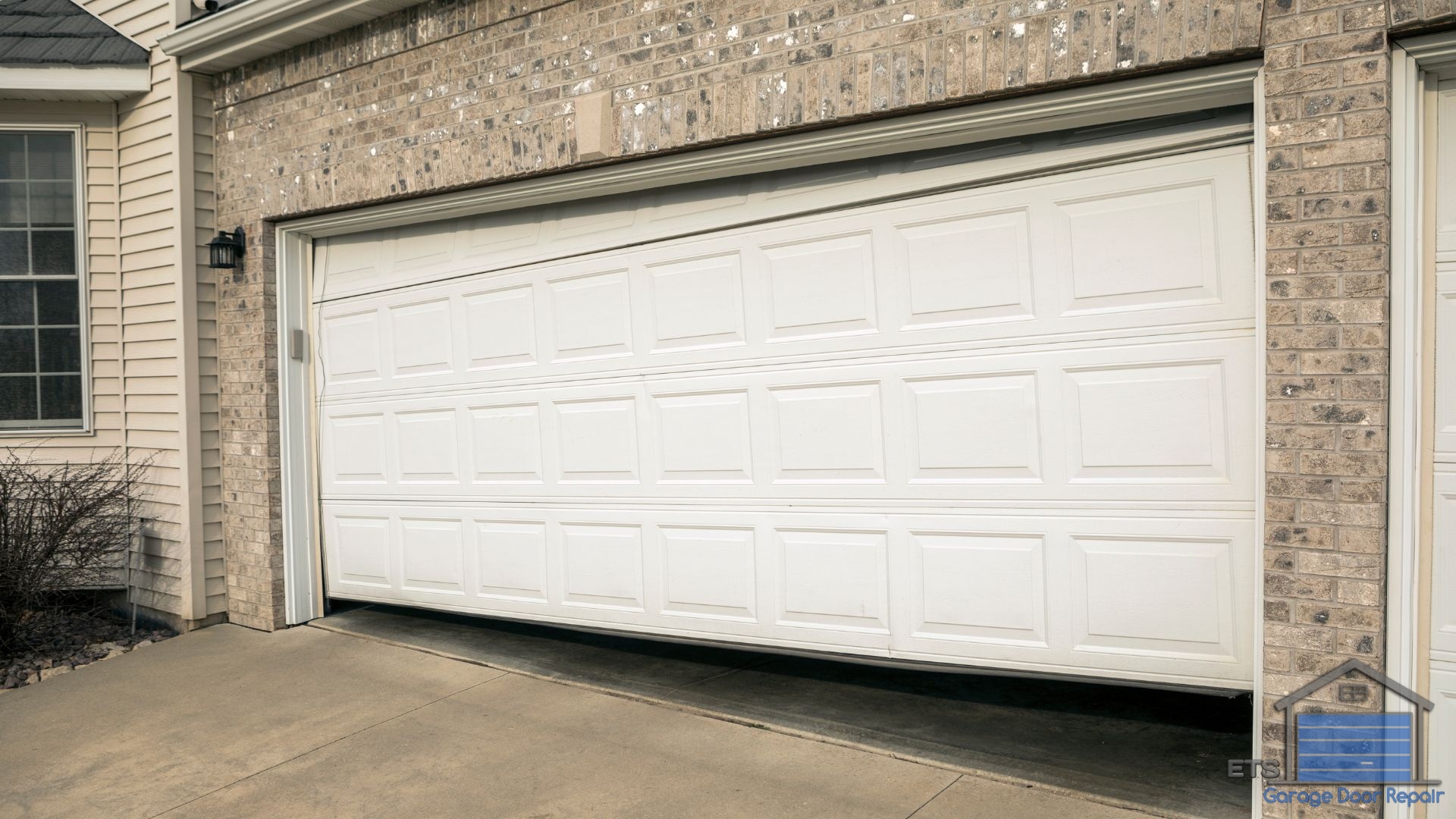
After years of working on garage doors throughout Hillsboro, I can tell you that rust on garage door tracks is one of the most preventable problems we encounter. Yet it’s also one of the most common issues that leads to expensive repairs when left unchecked.
The Pacific Northwest climate is beautiful, but our constant rain and humidity create the perfect conditions for rust to develop on metal garage door components. Today, I’m sharing the proven strategies we use to help our customers keep their tracks rust-free and functioning smoothly for years.
Table of Contents
Why Garage Door Tracks Rust So Quickly in Oregon
Garage door tracks rust when moisture combines with iron in the metal and oxygen in the air, creating iron oxide. In Hillsboro’s damp climate, this process happens faster than in drier regions.
Our team sees rust develop most frequently on tracks that face north or west, where they receive less direct sunlight to dry moisture. Garages near trees or with poor ventilation also experience accelerated rust formation because humidity stays trapped longer.
The coating on your tracks provides the first line of defense, but once that protective layer gets chipped or scratched, rust can take hold within weeks during our rainy season.
What Causes Rust to Start on Garage Door Tracks?
Rust typically begins at points where the protective coating has been compromised through normal wear, impact damage, or manufacturing defects. Once rust starts, it spreads outward and can compromise the structural integrity of your tracks.
I’ve noticed that homes in neighborhoods like Orenco Station and Tanasbourne, where garages often face the prevailing weather patterns, tend to develop rust issues faster. The moisture simply has more opportunity to settle on the metal surfaces, which is why understanding How To Prevent Damage To Your Garage Door is essential for homeowners in our area.
Salt and chemical exposure from de-icing products during our occasional winter storms can also accelerate the corrosion process significantly.
Regular Cleaning: Your First Defense Against Rust
Clean your garage door tracks at least twice per year, ideally in spring and fall. I recommend using a damp cloth to wipe down the entire length of both tracks, removing dirt, debris, and moisture that accumulates over time.
For stubborn grime, we use a mild degreaser or a solution of warm water and dish soap. Avoid harsh chemical cleaners that can damage the protective coating on your tracks.
After cleaning, always dry the tracks thoroughly with a clean towel. This step is critical because leaving moisture on the metal defeats the entire purpose of cleaning.
Applying Protective Coatings and Lubricants
Once your tracks are clean and dry, apply a silicone-based lubricant specifically designed for garage doors. These products create a moisture barrier while keeping the door operating smoothly.
I steer customers away from WD-40 for this purpose because it’s a solvent, not a long-term lubricant. Instead, we use products like 3-in-One or lithium-based garage door lubricants that provide lasting protection.
Apply the lubricant sparingly along the inside of the tracks where the rollers make contact. Wipe away any excess to prevent dust and dirt from sticking to the surface.
Addressing Existing Rust Before It Spreads
If you spot rust forming on your tracks, address it immediately. Use fine-grit sandpaper or a wire brush to remove surface rust, being careful not to damage the surrounding metal.
After removing the rust, clean the area thoroughly and apply a rust converter product. These solutions chemically transform rust into a stable compound that won’t continue spreading.
Follow up with a rust-inhibiting primer and paint designed for metal surfaces. This creates a new protective barrier that can last for years if properly maintained.
Controlling Moisture in Your Garage Environment
Moisture control is especially important here in Washington County where humidity stays elevated for months at a time. Improve ventilation in your garage by opening doors periodically or installing vents to promote air circulation.
If you store wet items in your garage like bikes, lawn equipment, or winter gear, make sure they’re completely dry before bringing them inside. These items release moisture into the air that settles on your garage door components, and for modern systems, you might want to explore How To Choose The Right Smart Garage Door Opener For Your Home In 2026 for better moisture monitoring and control.
Consider using a dehumidifier during particularly wet months if your garage tends to feel damp. This investment can protect not just your garage door but everything else you store there.
How Often Should You Inspect Your Tracks for Rust?
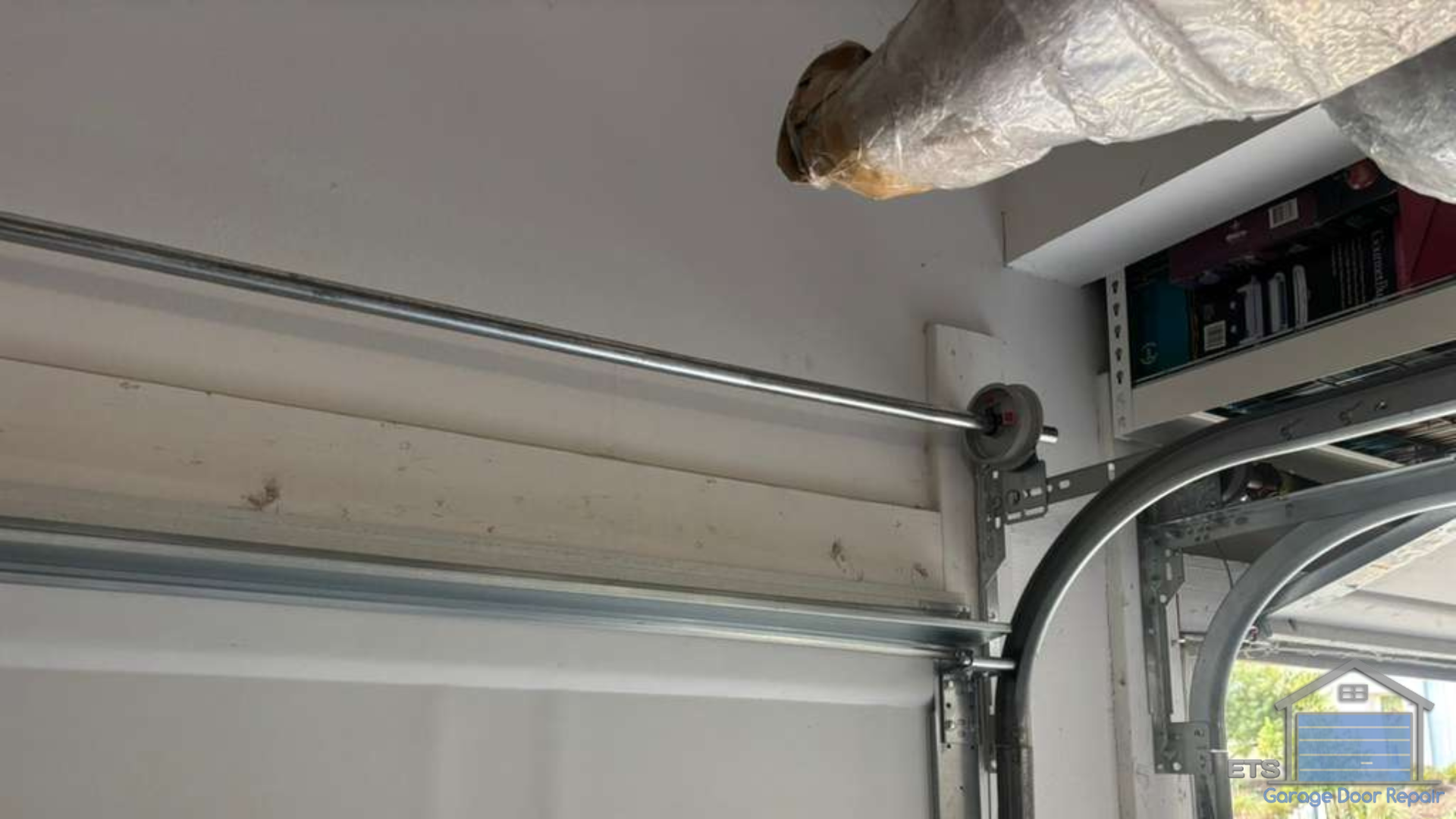
Inspect your garage door tracks monthly for early signs of rust formation. Look for discoloration, rough patches, or small spots of orange or brown on the metal surface.
During your inspection, also check for chips or scratches in the protective coating. These vulnerable spots need immediate attention before moisture can penetrate and start the corrosion process.
I tell our Hillsboro customers to make this part of their routine home maintenance, just like checking smoke detectors or changing HVAC filters.
Choosing Rust-Resistant Materials for New Installations
When we install new garage doors, I always discuss track material options with homeowners. Galvanized steel tracks offer excellent rust resistance and durability for our climate.
Stainless steel tracks provide even better corrosion resistance but come at a higher initial cost. For most residential applications in Hillsboro, properly maintained galvanized steel performs exceptionally well, and our Door Designer can help you select the best materials for your specific situation.
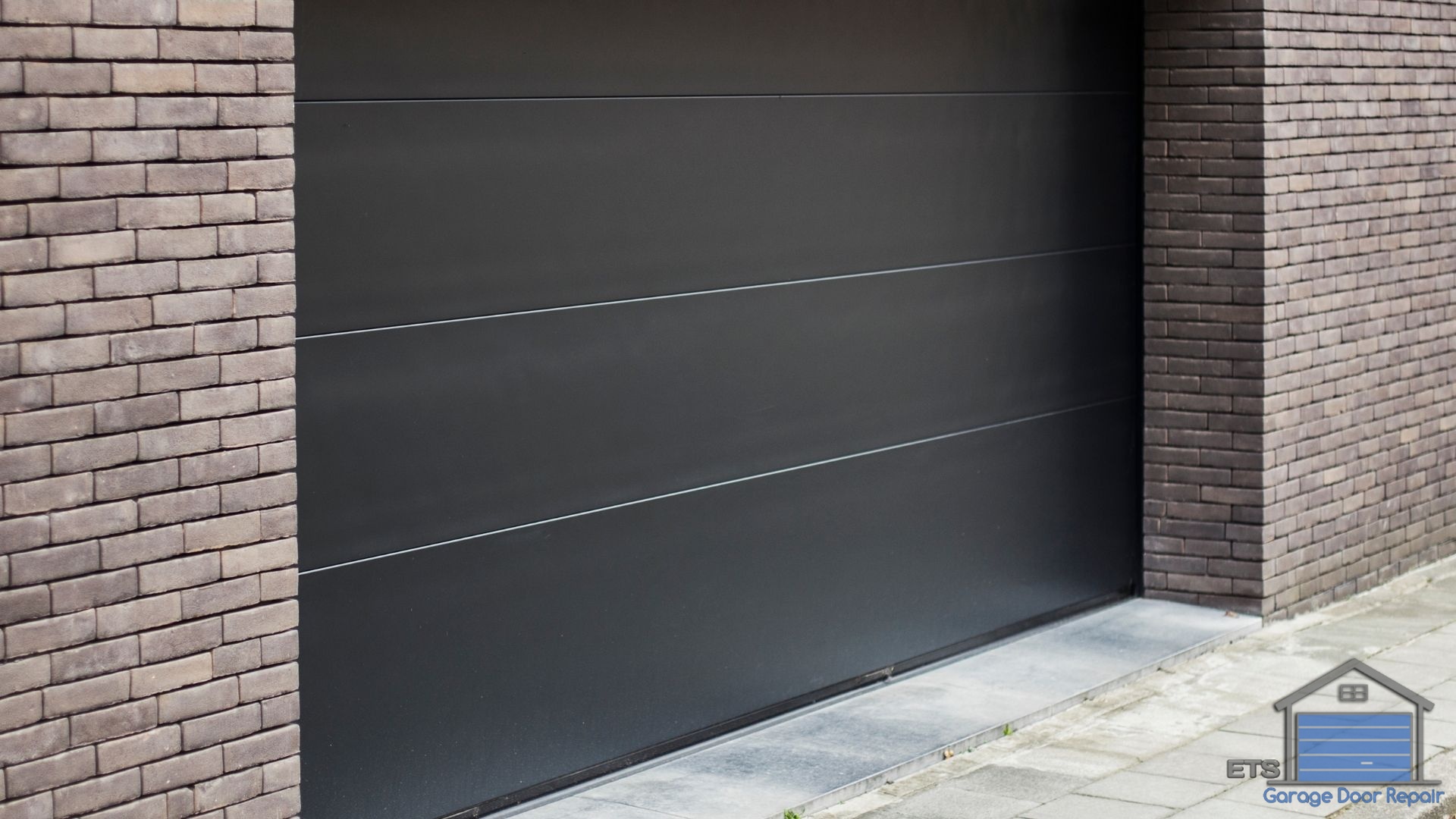
Some manufacturers now offer tracks with specialized coatings designed specifically for humid climates. These options are worth considering if you’ve dealt with recurring rust problems.
When Professional Help Is Necessary
Extensive rust damage requires professional assessment and often track replacement. If rust has caused pitting, structural weakness, or rough spots that interfere with door operation, it’s time to call our team.
We can evaluate whether your tracks can be restored or if replacement makes more financial sense. Sometimes attempting to salvage heavily rusted tracks costs more in labor than installing new components.
Professional replacement also ensures proper alignment and installation, which prevents premature wear and future rust issues.
Keep Your Garage Door Tracks Protected Year-Round
Preventing rust on your garage door tracks doesn’t require expensive products or specialized skills. With regular cleaning, proper lubrication, and attention to moisture control, you can keep your tracks functioning perfectly for decades.
The key is consistency. Make track maintenance a regular part of your home care routine, especially during Oregon’s wet season when rust develops most rapidly.
If you’re dealing with rust issues or want a professional assessment of your garage door system, our team at Hillsboro Garage Door Repair is here to help. We’ve been protecting garage doors throughout the area for years, and we understand exactly what it takes to keep systems running smoothly in our unique climate. Give us a call today for an inspection or maintenance service.




Leave A Comment