

Your garage door isn’t just a functional necessity, it’s a major design element that can make or break your home’s curb appeal. With advances in manufacturing and materials science continuing through 2026, today’s homeowners have more options than ever when selecting the perfect garage door. Whether you’re building new or replacing an aging door, understanding the pros and cons of each material is essential for making an informed investment.
Table of Contents
Steel Garage Doors: The Popular Choice
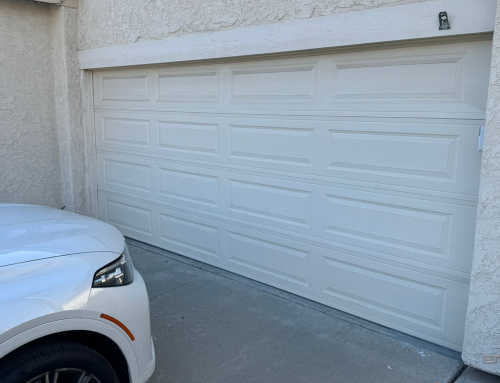
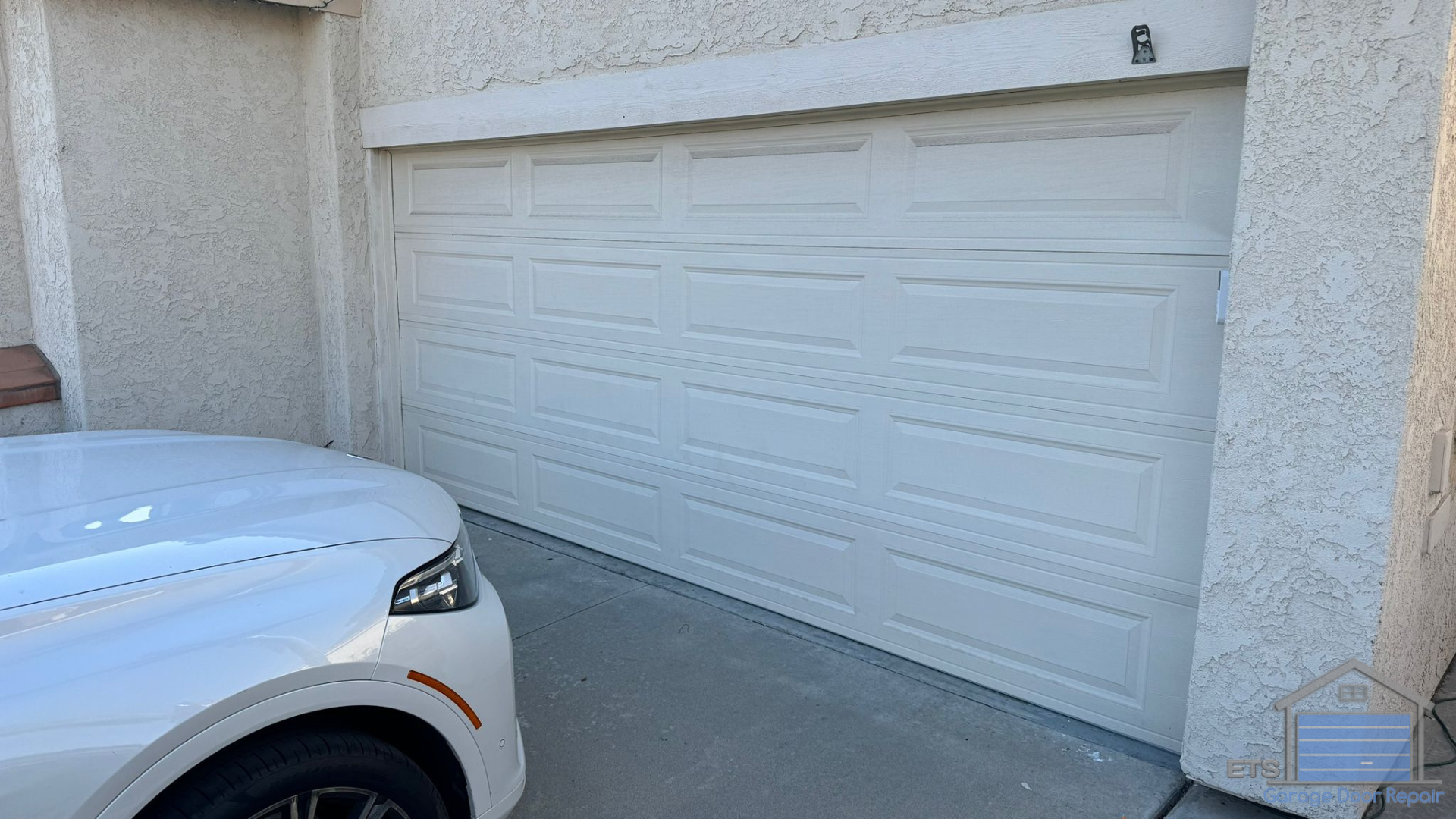
Steel remains the most popular garage door material in 2026, and for good reason. Modern steel doors offer exceptional durability, security, and value for money.
Advantages of Steel
- Durability: Steel doors resist cracking, warping, and weather damage better than most alternatives
- Low maintenance: Requires minimal upkeep beyond occasional washing
- Insulation options: Available with polyurethane or polystyrene insulation for R-values up to 20.4
- Affordability: Costs range from $800 to $3,500 depending on gauge and features
- Design versatility: Can be stamped to mimic wood grain and other textures
Considerations
Steel doors can dent upon impact and may rust in coastal environments without proper coating. However, 2026’s galvanized and powder-coated finishes have significantly improved corrosion resistance.
Wood Garage Doors: Timeless Elegance
For homeowners seeking authentic charm and customization, wood garage doors remain unmatched. Premium woods like cedar, redwood, and mahogany create stunning architectural statements.
Benefits and Drawbacks
Wood doors offer unparalleled natural beauty and can be fully customized with unique designs, stains, and finishes using tools like Door Designer. They provide good insulation properties naturally. However, they require regular maintenance including staining or painting every 2-3 years, are susceptible to warping and rot in humid climates, and typically cost between $2,500 and $8,000.
Aluminum Garage Doors: Modern and Lightweight
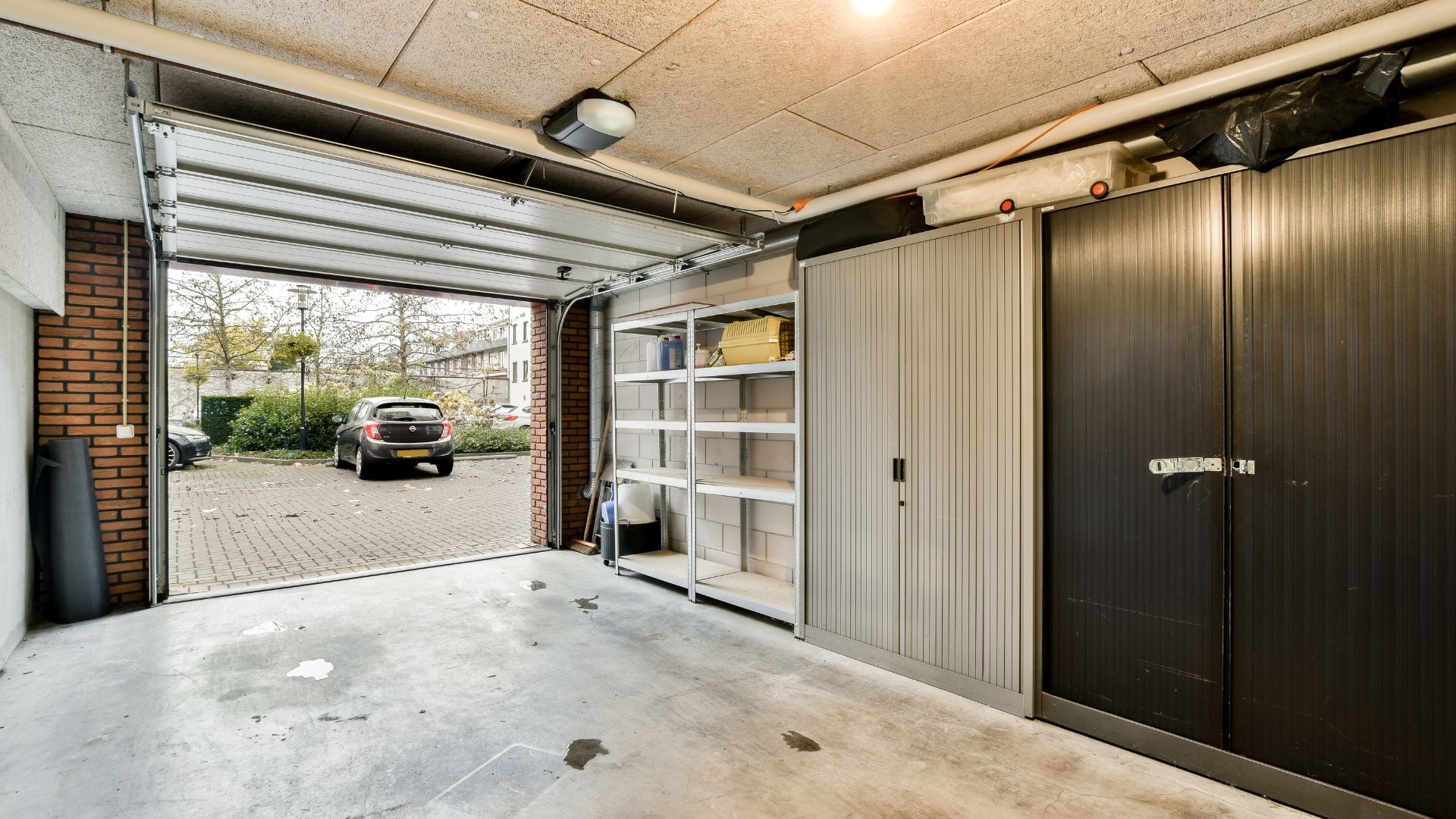
Aluminum has evolved significantly, with 2026’s models featuring improved strength and thermal performance that address earlier generation shortcomings.
Why Choose Aluminum
- Rust-proof and ideal for coastal properties
- Lightweight construction reduces strain on openers
- Contemporary aesthetic with sleek glass panel options
- Price range: $1,200 to $4,000
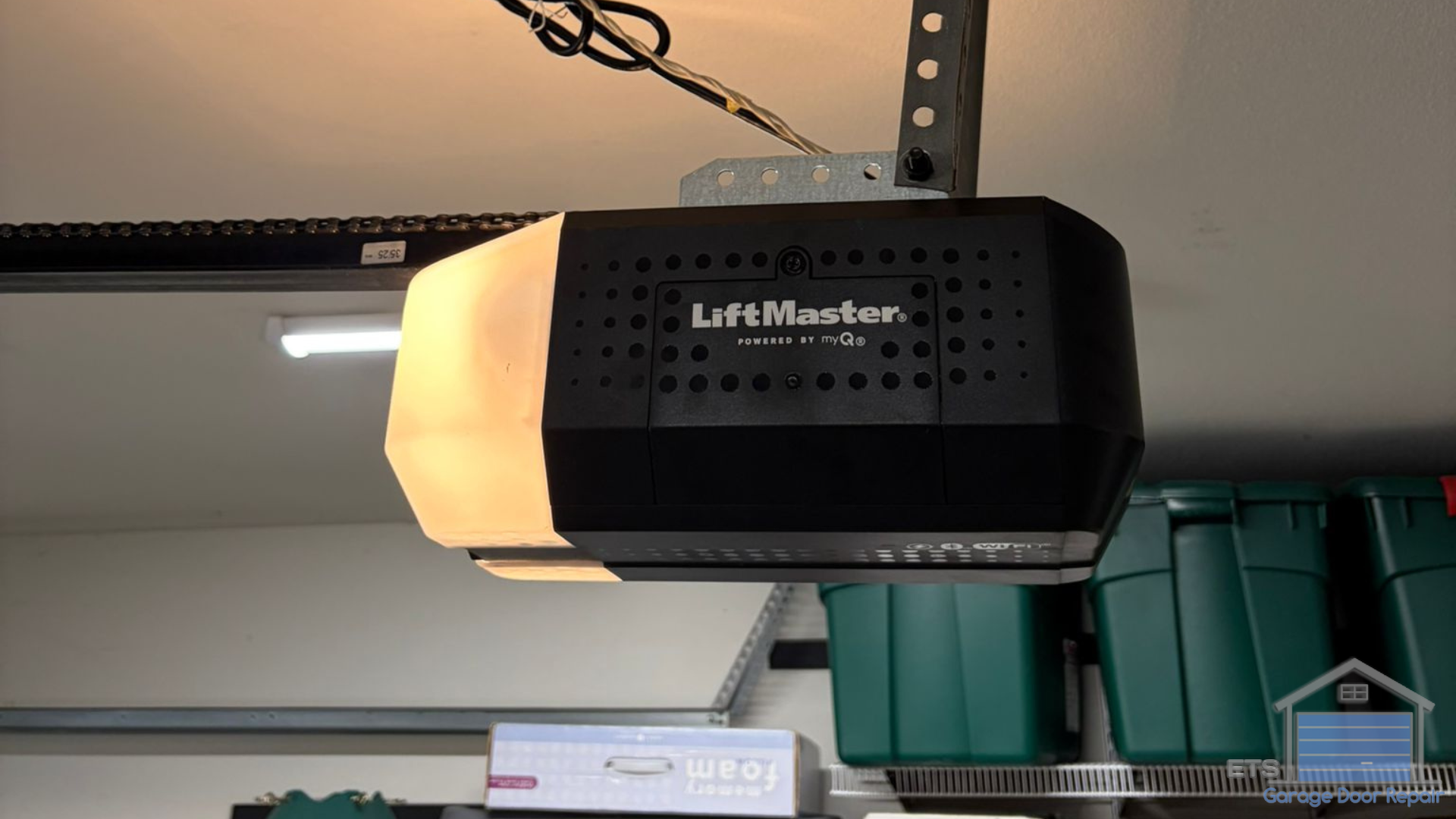
The main limitation is that aluminum dents easily and provides less insulation than steel unless specified with thermal breaks and insulated glass. For those considering smart features with their new aluminum door, learn more about How To Choose The Right Smart Garage Door Opener For Your Home In 2026.

Composite Garage Doors: The Best of Both Worlds
Composite materials, typically wood fibers bonded with resins, have gained significant market share in 2026. These doors replicate wood’s appearance without the intensive maintenance requirements.
Composite Advantages
Modern composite doors resist moisture, insects, and temperature fluctuations while maintaining the warm appearance of real wood. They won’t warp, crack, or split, and require only occasional washing. Expect to invest $1,800 to $5,000 for quality composite options.

Making Your Decision
Choosing the right garage door material depends on your climate, budget, maintenance willingness, and aesthetic preferences. Steel offers the best overall value for most homeowners, while wood suits those prioritizing authentic character. Aluminum excels in modern designs and corrosive environments, and composite provides wood’s beauty with minimal upkeep.
If you’re experiencing issues with your current door, check out these Signs It’s Time To Replace Your Garage Door. Consider consulting with a professional installer like Hillsboro Garage Door Repair who can assess your specific needs and recommend the optimal material for your 2026 garage door investment.




Leave A Comment