After years of servicing garage doors throughout Hillsboro, I can’t tell you how many times I’ve shown up to a call only to find a homeowner has been spraying WD-40 on their garage door tracks and springs. They’re genuinely trying to help their door run smoothly, but they’re actually making the problem worse.
Today, I want to share what we tell our customers about proper garage door lubrication. Using the right lubricant can extend the life of your door by years and prevent those middle-of-the-night breakdowns we all dread.
Table of Contents
Why WD-40 Is Not a Lubricant for Your Garage Door
Here’s the truth: WD-40 is a solvent, not a lubricant. It’s designed to displace water and break down rust, which means it actually strips away the protective grease your garage door components need.
When you spray WD-40 on your springs, rollers, or hinges, it feels slick at first. But within days, it evaporates and leaves behind a sticky residue that attracts dust and dirt. This creates a grinding paste that accelerates wear on your moving parts.
I’ve replaced countless springs and rollers that failed prematurely because homeowners used WD-40 thinking they were doing preventive maintenance. The product has its uses, but garage door lubrication isn’t one of them. If you’re experiencing ongoing issues, our team offers comprehensive Hillsboro Garage Door Repair services to get your door back in working order.
What Type of Lubricant Should You Use on a Garage Door?
The best lubricant for garage doors is a silicone-based or lithium-based spray lubricant. These products are specifically designed to stay in place, repel moisture, and withstand the temperature fluctuations we experience here in Oregon.
We recommend products like 3-IN-ONE Professional Garage Door Lubricant, Blaster Garage Door Lubricant, or any silicone spray labeled for garage doors. White lithium grease also works beautifully, especially for metal-to-metal contact points.
These lubricants don’t evaporate like WD-40. They create a lasting protective barrier that keeps your components moving smoothly through our rainy Pacific Northwest winters and drier summers.
Which Garage Door Parts Need Lubrication?
Not every part of your garage door should be lubricated. In fact, spraying lubricant in the wrong places can create safety hazards or damage your system.
Parts you SHOULD lubricate:
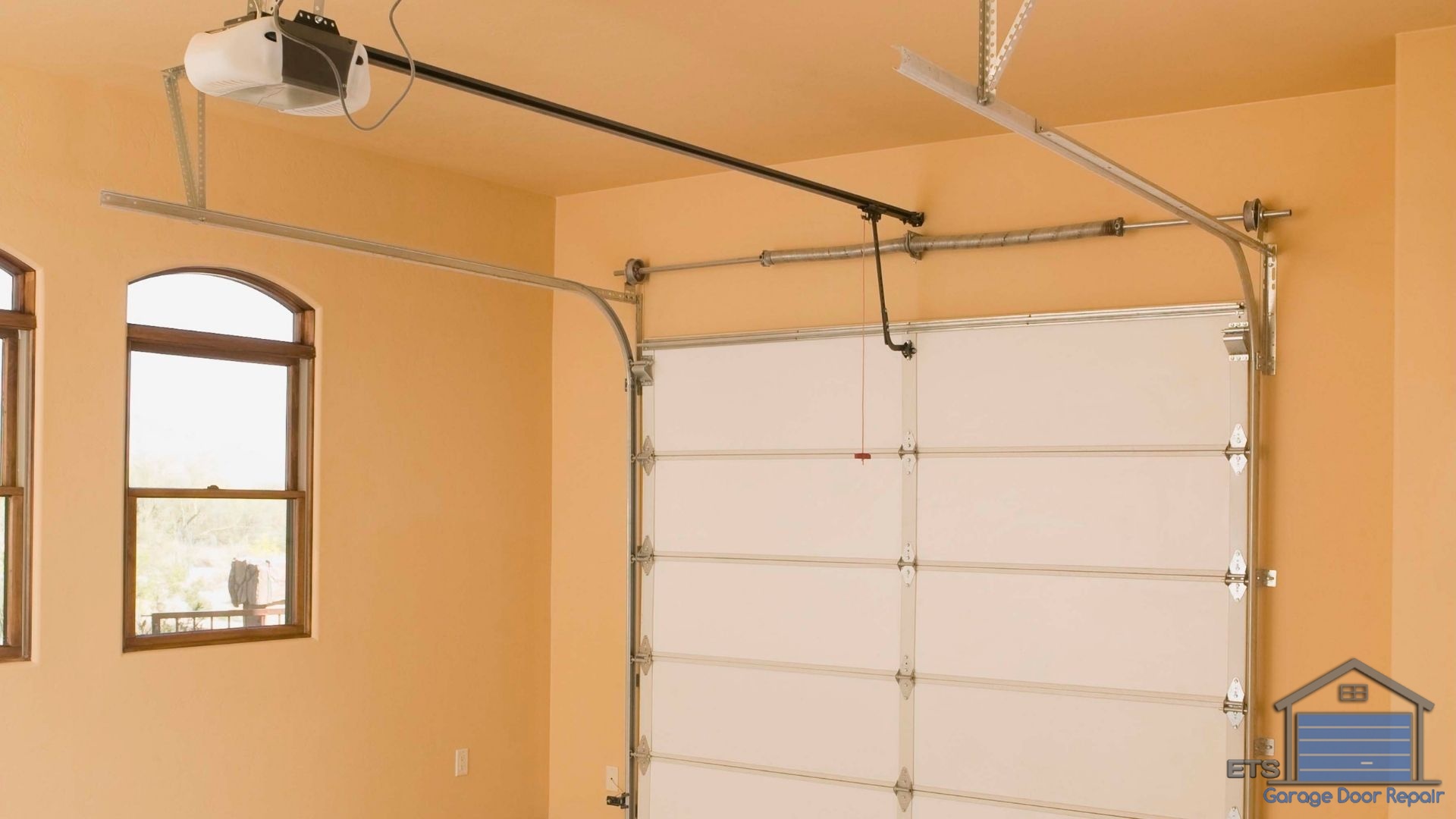
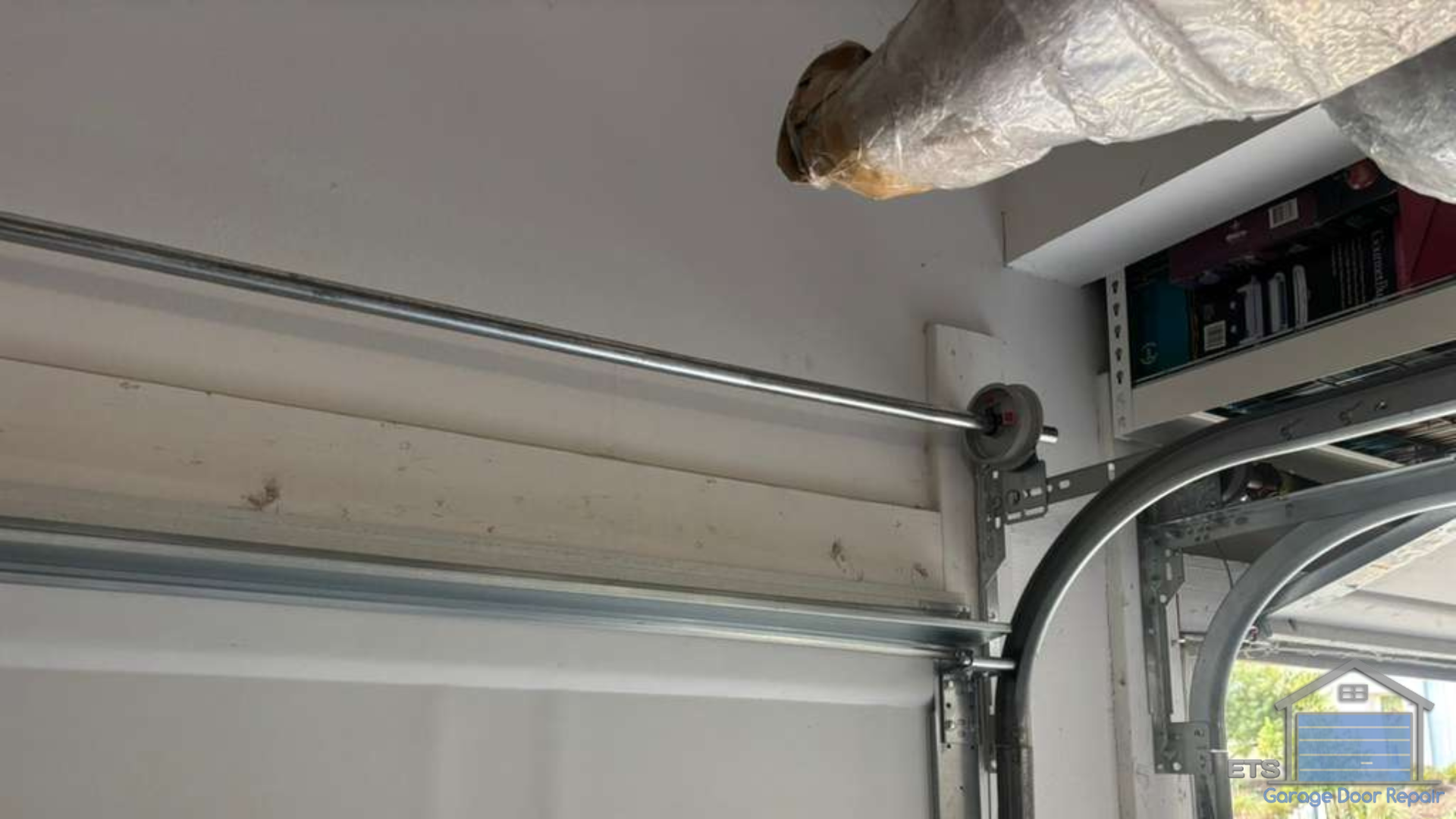
- Torsion springs: Apply lubricant along the entire length of the spring coils
- Hinges: A small amount on each hinge pin and moving joint
- Roller bearings: Just the stem and ball bearings, not the rubber wheels
- Pulleys and bearings: Where the cable wraps around moving parts
- Lock mechanism: A light spray if you have a manual lock
- Opener rail: A thin bead along the chain or belt track
Parts you should NEVER lubricate:
- The tracks: Lubricant in the tracks attracts debris and causes jams
- Rubber seals: Petroleum-based products can degrade rubber weatherstripping
- Nylon rollers: The nylon material shouldn’t be lubricated, only the bearings
- Photo eye sensors: Keep these clean and dry at all times
I’ve seen customers at our Orenco Station and Tanasbourne locations accidentally spray lubricant on their tracks, thinking it would help. Instead, it creates a sticky surface that catches leaves and dirt, eventually causing the door to bind. If you’re considering upgrading your entire system, our Door Designer can help you select the perfect door for your home.
How to Properly Lubricate Your Garage Door
The lubrication process takes about 15 minutes and should be done twice a year. We recommend spring and fall as the best times, which aligns perfectly with our seasonal maintenance checks here in Washington County.
Step 1: Clean the parts first
Use a clean cloth to wipe down springs, rollers, and hinges. Remove any old lubricant, dirt, or debris. For stubborn grime, you can use a degreaser, but make sure everything is completely dry before applying new lubricant.
Step 2: Apply lubricant to springs
Spray the torsion spring along its entire length while the door is closed. These springs are under tremendous tension, so never attempt to adjust or remove them yourself. Lubrication is one of the few maintenance tasks you can safely perform.
Step 3: Lubricate hinges and roller bearings
Apply a small amount to each hinge where metal meets metal. For rollers, focus on the bearing at the center, avoiding any rubber or nylon wheel surfaces.
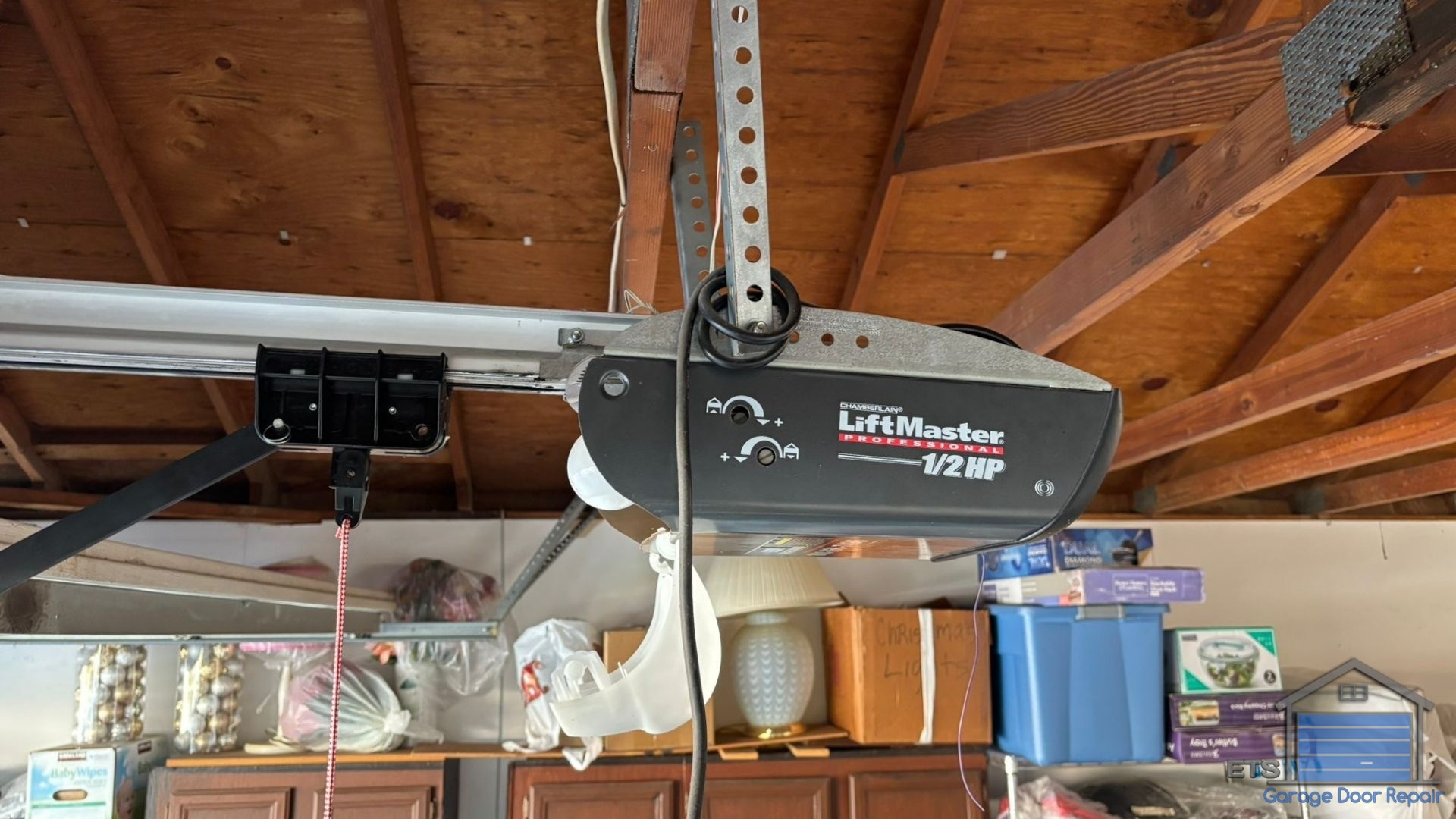
Step 4: Treat the opener mechanism
For chain drive openers, apply lubricant to the chain itself. For belt drives, check your manufacturer’s instructions, as some belts shouldn’t be lubricated. The rail can typically use a light coating. If you’re looking to upgrade to a modern opener system, check out our guide on How To Choose The Right Smart Garage Door Opener For Your Home In 2026.
Step 5: Operate the door
Open and close your door several times to distribute the lubricant. Listen for any remaining squeaks or grinding sounds that might indicate additional problem areas.
How Often Should You Lubricate Your Garage Door?
You should lubricate your garage door every six months for optimal performance. Most Hillsboro homeowners find it easiest to do this in April and October, bookending our wet season.
However, if you hear squeaking, grinding, or notice the door moving more slowly than usual, don’t wait for your scheduled maintenance. A quick lubrication might solve the problem and prevent more serious damage.
Doors in high-use situations, like those opened six or more times daily, may benefit from quarterly lubrication. We service several homes in the Shute Park and Witch Hazel Village neighborhoods where families use their garage doors as the primary entrance, and more frequent lubrication definitely helps.
Signs Your Garage Door Needs More Than Just Lubrication
Sometimes, the squeaking or grinding sounds indicate problems that lubrication alone won’t fix. If you notice any of these warning signs, it’s time to call our team for a professional inspection.
Loud banging or popping sounds can mean your springs are worn or damaged. Jerky movements or the door getting stuck partway might indicate cable problems or track misalignment.
If lubricating doesn’t eliminate the noise, or if the noise returns within a few days, there’s likely an underlying mechanical issue. Worn rollers, loose hardware, or failing bearings all create friction that no amount of lubricant can compensate for. To learn more about common problems, read our article on The Top 10 Reasons Your Garage Door Won’t Work.
Keep Your Garage Door Running Smoothly with Professional Care
Proper lubrication is one of the simplest and most effective ways to extend your garage door’s lifespan. By using the right products and avoiding common mistakes like WD-40, you can prevent many of the repair calls we receive.
That said, even the best maintenance can’t prevent every issue. Springs wear out, cables fray, and components eventually need professional attention.
If you’re hearing unusual noises, noticing performance issues, or simply want peace of mind that your door is properly maintained, our team at ETS Garage Door Repair is here to help. We’ve been serving Hillsboro families for years, and we treat every garage door like it’s our own. Give us a call, and we’ll make sure your door is safe, quiet, and working exactly as it should.

Leave A Comment