

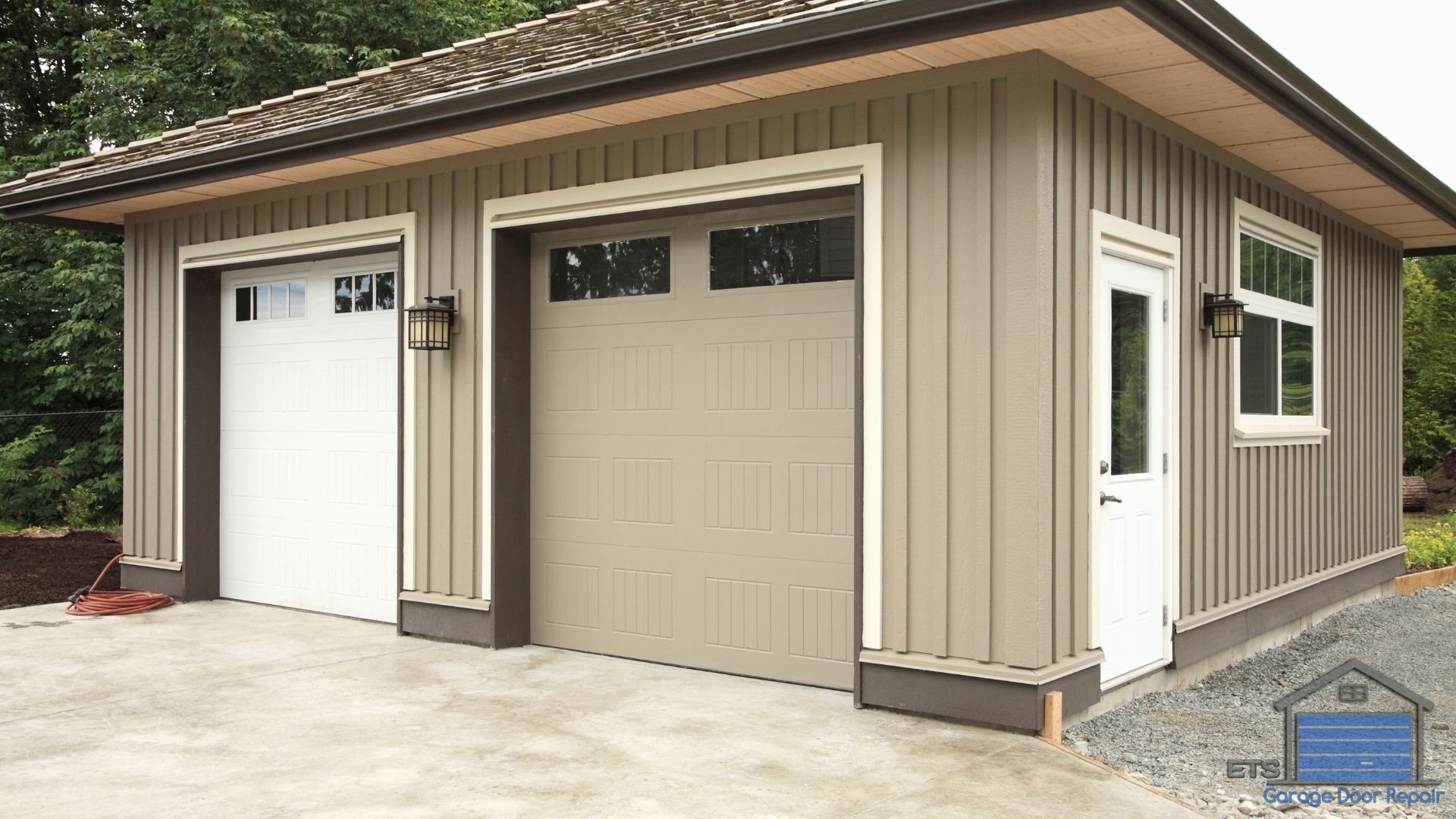
After spending years servicing garage doors throughout Hillsboro, I’ve noticed something interesting: homeowners are often surprised when I explain how much energy they’re losing through their garage door. Most people think about windows and doors when considering energy efficiency, but the garage door gets overlooked despite being the largest moving part of your home.
Your garage door can account for significant heat loss in winter and heat gain in summer, especially if you have an attached garage. I’ve seen energy bills drop noticeably after homeowners upgrade to insulated doors or address seal problems, and I want to share what I’ve learned from working with hundreds of local families.
Table of Contents
How Much Energy Loss Happens Through Your Garage Door?
An uninsulated or poorly sealed garage door can be responsible for 15 to 25 percent of your home’s total energy loss if you have an attached garage. That’s substantial, especially given our Pacific Northwest winters where heating costs add up quickly.
The problem is magnified when rooms above or adjacent to your garage share walls or floors with that space. Cold air seeping into your garage creates a buffer zone of frigid air that your heating system has to work against constantly.
I’ve used thermal imaging cameras on service calls throughout neighborhoods like Orenco and Tanasbourne, and the heat loss is visible. You can literally see the temperature difference radiating from garage doors compared to insulated walls.
The Three Main Ways Garage Doors Lose Energy
During my inspections, I focus on three primary culprits that cause energy waste. Understanding these helps you know where to invest your money for the best return.
Poor or Missing Insulation: Single-layer steel or aluminum doors without insulation offer virtually no thermal resistance. Heat transfers right through the metal, making your garage almost the same temperature as outside.
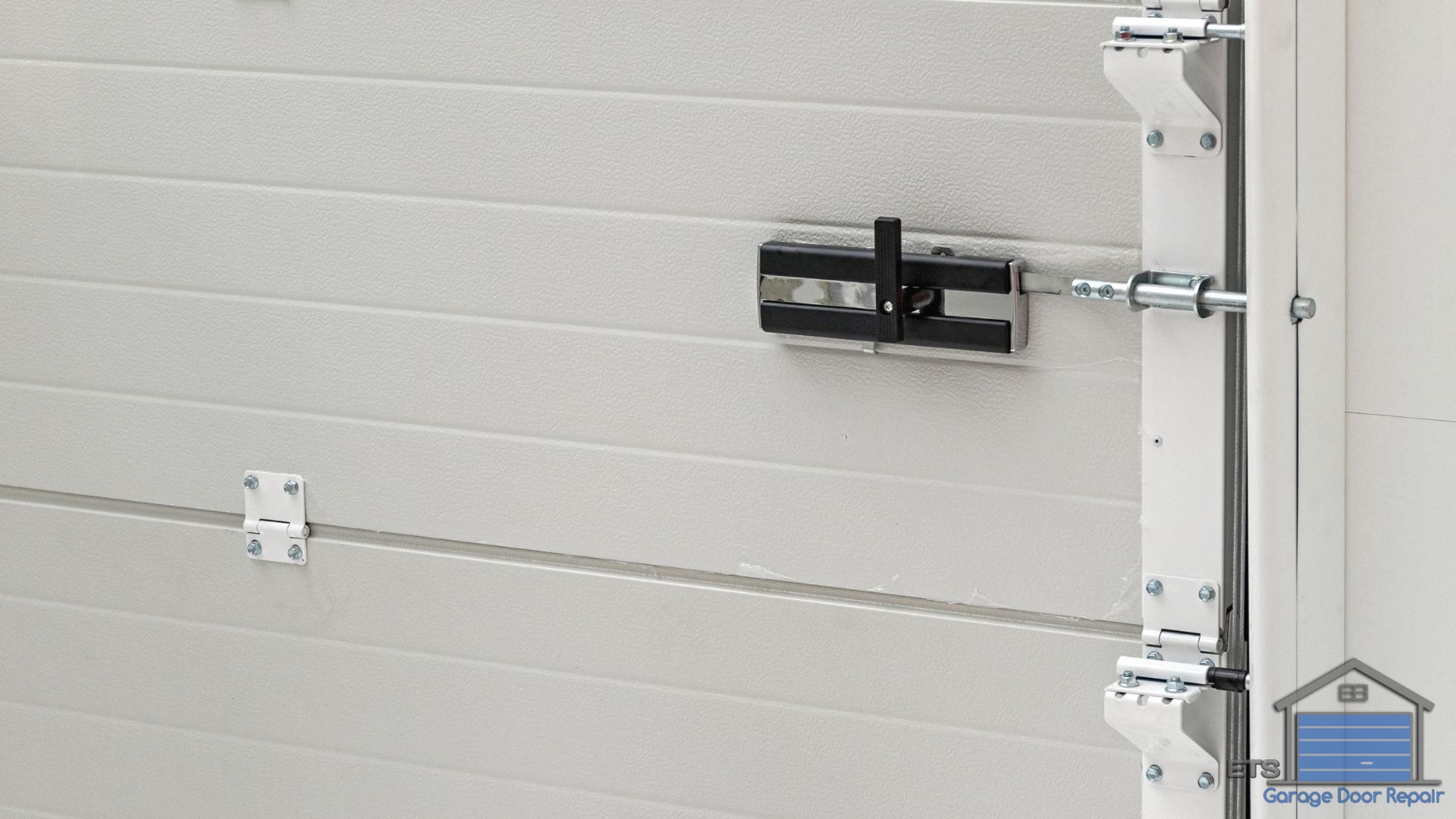
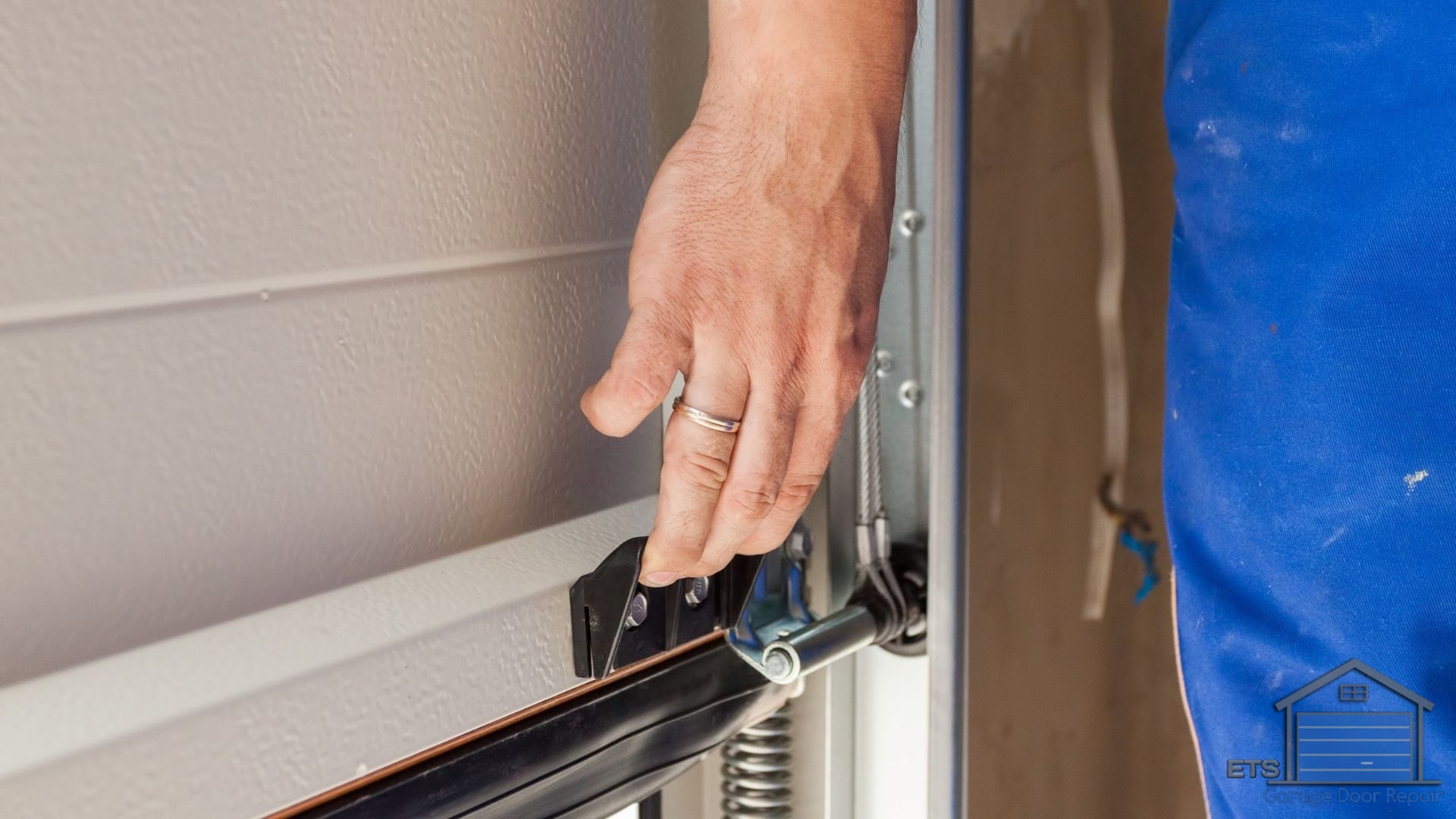
Worn or Missing Weatherstripping: The rubber seals around the sides, top, and especially the bottom of your door deteriorate over time. I’d estimate that 60 percent of the doors I service in Hillsboro have compromised weatherstripping that’s letting in air and moisture.
Gaps and Alignment Issues: Doors that don’t close completely flush against the frame create air leaks. This happens when springs weaken, tracks shift, or the door becomes warped from our wet climate conditions.
What R-Value Means for Your Garage Door
R-value measures thermal resistance, with higher numbers indicating better insulation. Most insulated garage doors range from R-8 to R-18, though some premium options reach R-20 or higher.
For our Oregon climate, I typically recommend at least an R-12 value for attached garages. This provides solid insulation without the premium cost of higher ratings that might be overkill for our relatively mild winters.
The construction method matters too. Doors with polyurethane foam injected between two steel layers (sandwich construction) outperform doors with polystyrene panels inserted into a frame (panel construction) in both insulation and durability, which is why The Many Benefits Of Insulated Garage Doors go beyond just energy savings.
How Weatherstripping Impacts Your Energy Efficiency
Even the best insulated door fails if air leaks around the edges. Quality weatherstripping creates an airtight seal that’s critical for energy performance.
The bottom seal takes the most abuse. It contacts the ground with every opening and closing cycle, endures rain and debris, and deteriorates faster than other components. I replace bottom seals on dozens of doors every month because they’re cracked, compressed, or simply worn out.
Side and top seals matter equally. I’ve found garage doors in the AmberGlen area where the side seals were completely missing, creating gaps you could see daylight through. Your heated or cooled air escapes through these openings continuously.
Should You Upgrade to an Insulated Garage Door?
The answer depends on your specific situation, but for most Hillsboro homeowners with attached garages, upgrading makes financial sense. The energy savings typically pay back the additional cost within five to seven years, sometimes sooner if you’re replacing a very old single-layer door.
If you use your garage as workspace, have living space above it, or simply want to reduce your carbon footprint, the upgrade becomes even more compelling. I’ve had customers tell me their garage stays 15 to 20 degrees warmer in winter after switching to an insulated door.
The noise reduction is a bonus benefit my customers love. Insulated doors operate much quieter than single-layer doors because the insulation dampens vibration and sound.
Simple Improvements That Reduce Energy Loss
Not ready for a full door replacement? Several smaller upgrades can significantly improve your garage door’s energy performance without major investment.
Replace All Weatherstripping: This is the most cost-effective improvement you can make. New seals around the entire perimeter can reduce air infiltration by 50 percent or more. I can typically complete this service in under an hour.
Add Insulation Kits: Retrofit insulation kits are available for existing doors. While not as effective as factory-insulated doors, they provide noticeable improvement for relatively low cost.
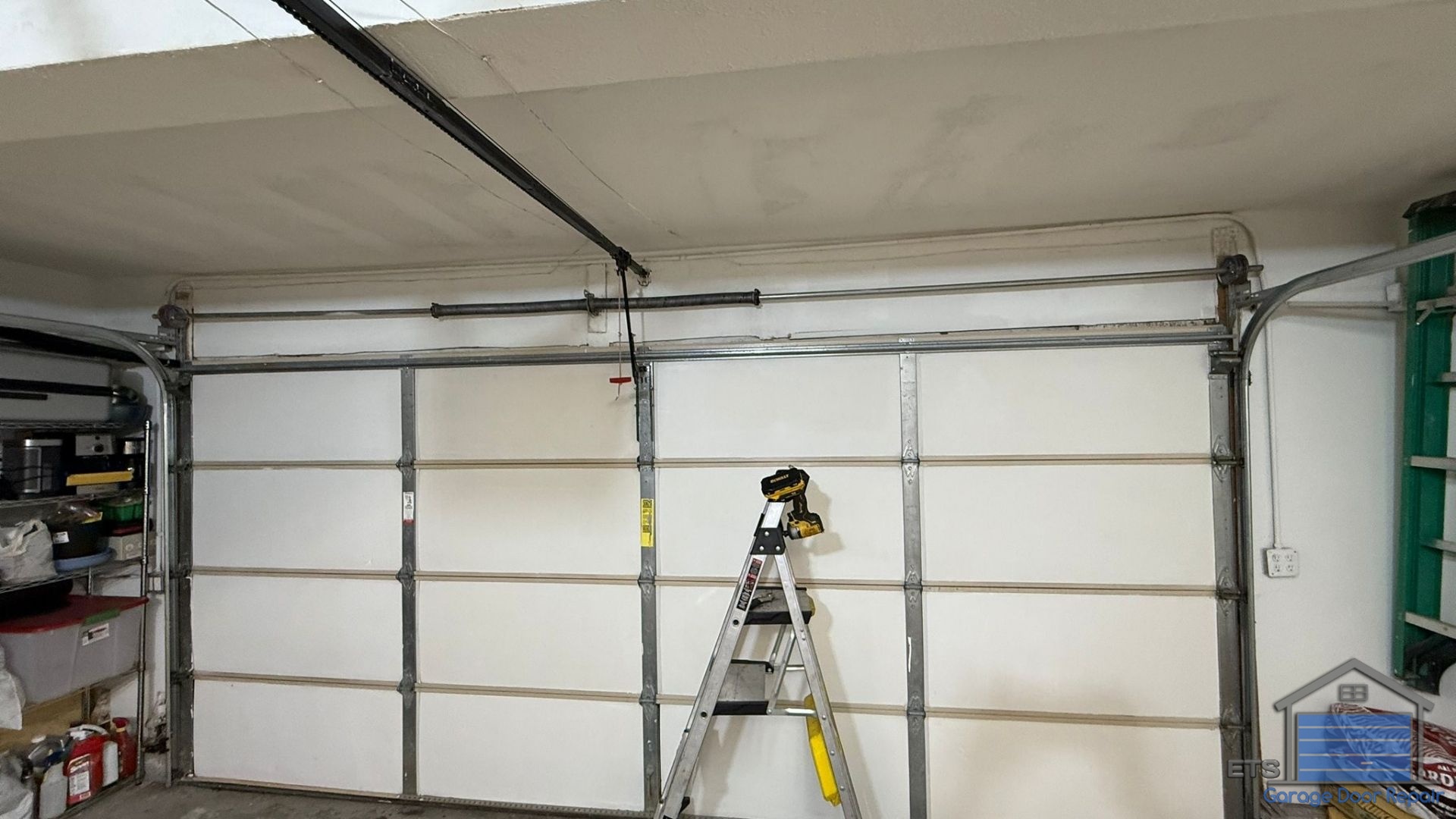
Ensure Proper Door Balance: A properly balanced door closes completely and sits flush against the weatherstripping. If your springs are worn and the door hangs crooked, you’re losing energy through gaps. Our Hillsboro Garage Door Repair team adjusts spring tension regularly to maintain proper balance.
Seal Air Leaks to Living Spaces: Check the door between your garage and house. Adding weatherstripping or replacing it if worn creates a better thermal barrier protecting your conditioned living space.
What About Smart Features and Energy Monitoring?
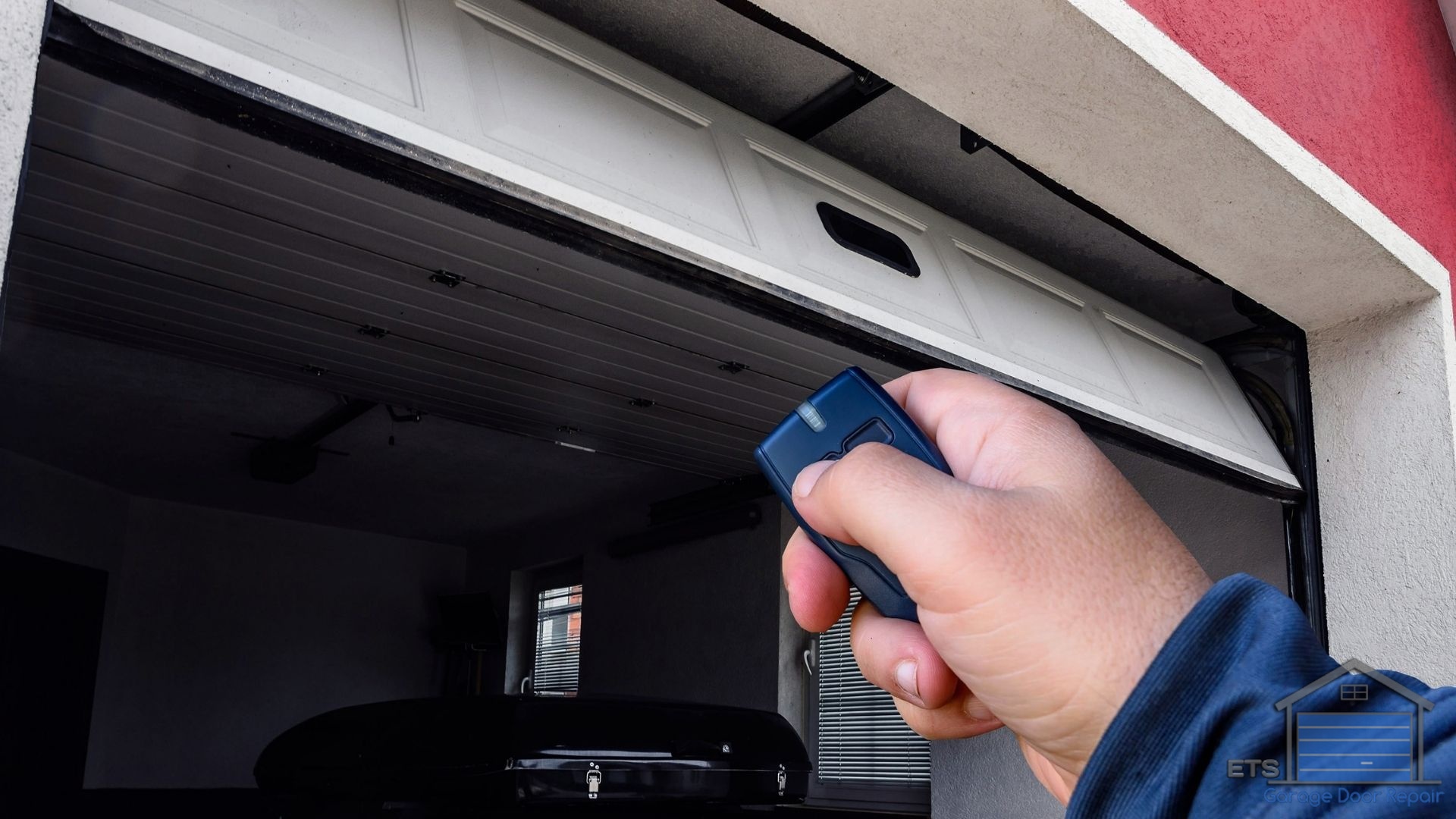
Modern smart garage door openers contribute to energy efficiency in ways that surprise people. The ability to verify your door is closed from anywhere prevents leaving it open accidentally, which eliminates hours of unnecessary air exchange.
Some systems now include temperature sensors that let you monitor garage conditions. I’ve helped customers in Washington County identify energy loss patterns by tracking when their garage temperature drops unexpectedly.
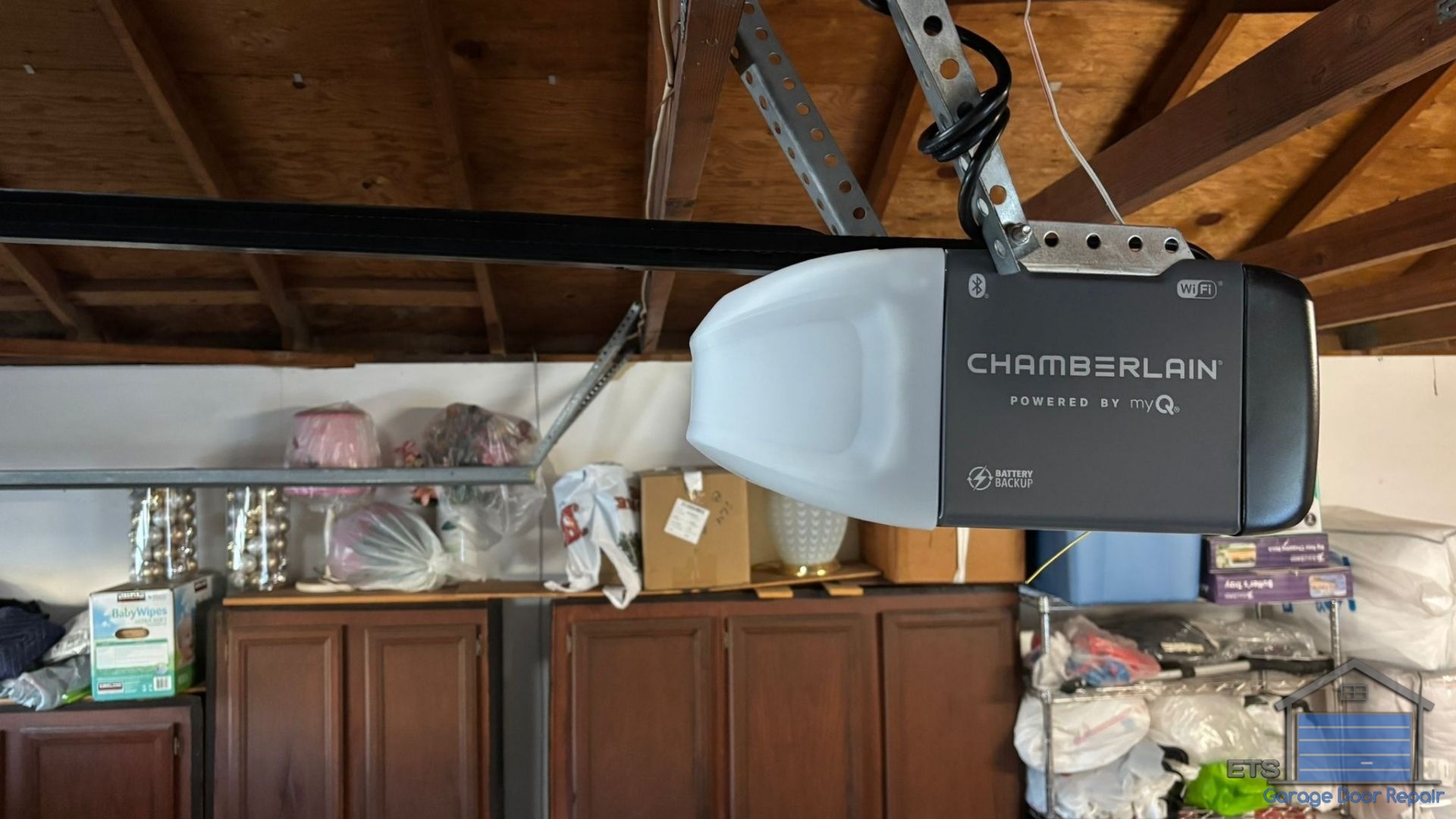
Battery backup systems keep your door operational during power outages, which matters for security but also prevents you from manually opening the door and leaving it open, forgetting to close it when power returns. If you’re considering these features, our guide on How To Choose The Right Smart Garage Door Opener For Your Home In 2026 can help you make an informed decision.
How Oregon’s Climate Creates Unique Challenges
Our wet winters create specific problems for garage doors that impact energy efficiency. Moisture causes wood doors to swell and warp, creating gaps. Metal doors develop rust around hardware that compromises seals.
The temperature swings we experience, especially during occasional ice storms, cause materials to expand and contract. This movement can loosen hardware, shift tracks, and compress weatherstripping prematurely.
I recommend semi-annual inspections for Hillsboro homes, typically before and after winter. This timing catches weather-related damage before it creates bigger problems and lets us optimize your door’s energy performance for the coming season.
Partner with Local Experts Who Understand Your Home’s Needs
Your garage door plays a bigger role in home energy efficiency than most people realize. Whether you’re dealing with high energy bills, uncomfortable temperature swings, or simply want to make your home more efficient, addressing your garage door is a smart investment.
Our team at ETS Garage Door Repair of Hillsboro has helped countless local families reduce energy waste through door upgrades, weatherstripping replacement, and maintenance that keeps doors sealing properly. We understand the specific challenges our Pacific Northwest climate creates and provide solutions that work for real Hillsboro homes.
If you’d like us to assess your garage door’s energy performance or discuss upgrade options, including our selection of New Doors, give us a call. We’re happy to provide honest recommendations based on what we’ve seen work best in our community over years of service.

Leave A Comment