

Over my years servicing garage doors throughout Hillsboro and Washington County, I’ve noticed more homeowners asking about wind load ratings. It’s a smart question, especially as we’ve seen increasingly unpredictable weather patterns sweep through the Pacific Northwest.
While Oregon isn’t typically known for hurricanes or tornadoes, understanding wind load ratings can still protect your investment and your home. Let me share what I’ve learned from real-world experience working with hundreds of local homeowners.
Table of Contents
What Are Wind Load Rated Garage Doors?
Wind load rated garage doors are designed and tested to withstand specific wind speeds without failing or blowing inward. The rating indicates how much wind pressure the door can handle, measured in pounds per square foot (psf) or miles per hour (mph).
These doors feature reinforced construction, including thicker panels, additional struts, and heavy-duty hardware. The rating comes from third-party testing that simulates extreme wind conditions.
Most residential garage doors without special wind ratings can typically handle winds up to 60 to 70 mph. Wind load rated doors are engineered to exceed these thresholds, often withstanding 100 mph or greater.
Do Hillsboro Homeowners Need Wind Load Rated Doors?
For most Hillsboro homes, wind load rated garage doors are not necessary for everyday conditions. Our typical weather patterns, while wet and occasionally stormy, rarely produce sustained winds that would threaten a standard quality garage door.
That said, I’ve responded to several Hillsboro Garage Door Repair service calls after particularly severe winter storms rolled through neighborhoods like Orenco and Tanasbourne. These isolated incidents remind us that extreme weather can happen anywhere.
There are specific situations where I do recommend considering wind rated doors for local homes. If your property sits on an exposed hillside, faces prevailing winds with minimal windbreaks, or is in an area that’s experienced storm damage before, the extra protection makes sense.
Understanding Wind Load Ratings and Building Codes
Wind load ratings are expressed in several ways. You might see ratings like “Wind Zone 1” or specific PSF numbers like “20 PSF” or wind speeds like “90 MPH positive and negative pressure.”
In Oregon, building codes generally don’t mandate wind rated garage doors for standard residential construction in our region. Our building requirements focus more heavily on seismic considerations given our earthquake risk.
However, if you’re building a new home or replacing a door on a newer property, your builder or city inspector may have specific requirements. I always recommend checking with Hillsboro’s building department before making final decisions on door specifications.
When Wind Load Ratings Actually Matter
Beyond geographic exposure, there are practical scenarios where wind ratings provide real value. If you’re installing a particularly large or wide garage door, the increased surface area catches more wind and creates greater stress on the door system.
I’ve worked on several properties in areas like AmberGlen and Witch Hazel Village where homeowners chose three-car or oversized custom doors. For these installations, I often suggest at least discussing wind load options, even if not strictly required.
Coastal Oregon homeowners definitely need wind rated doors. If you own vacation property or are planning a move to the coast, this becomes non-negotiable rather than optional.
The Cost Difference for Wind Rated Doors
Wind load rated garage doors typically cost 15% to 40% more than comparable standard doors. The exact premium depends on the rating level, door size, and material choice.
For a standard 16×7 foot steel garage door, you might pay an additional $200 to $600 for wind load certification. Larger doors or higher ratings increase this differential.
From my perspective as someone who wants your door to last, this investment makes sense only if you genuinely need it. I’d rather see you spend money on proper insulation, quality hardware, or professional installation than on wind ratings you’ll never use.
How Wind Rated Doors Are Reinforced
The construction differences in wind rated doors are substantial. These doors include horizontal and vertical struts that create an internal skeleton, preventing the panels from flexing or bowing under pressure.
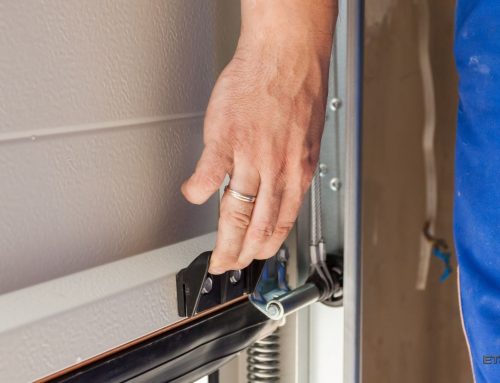
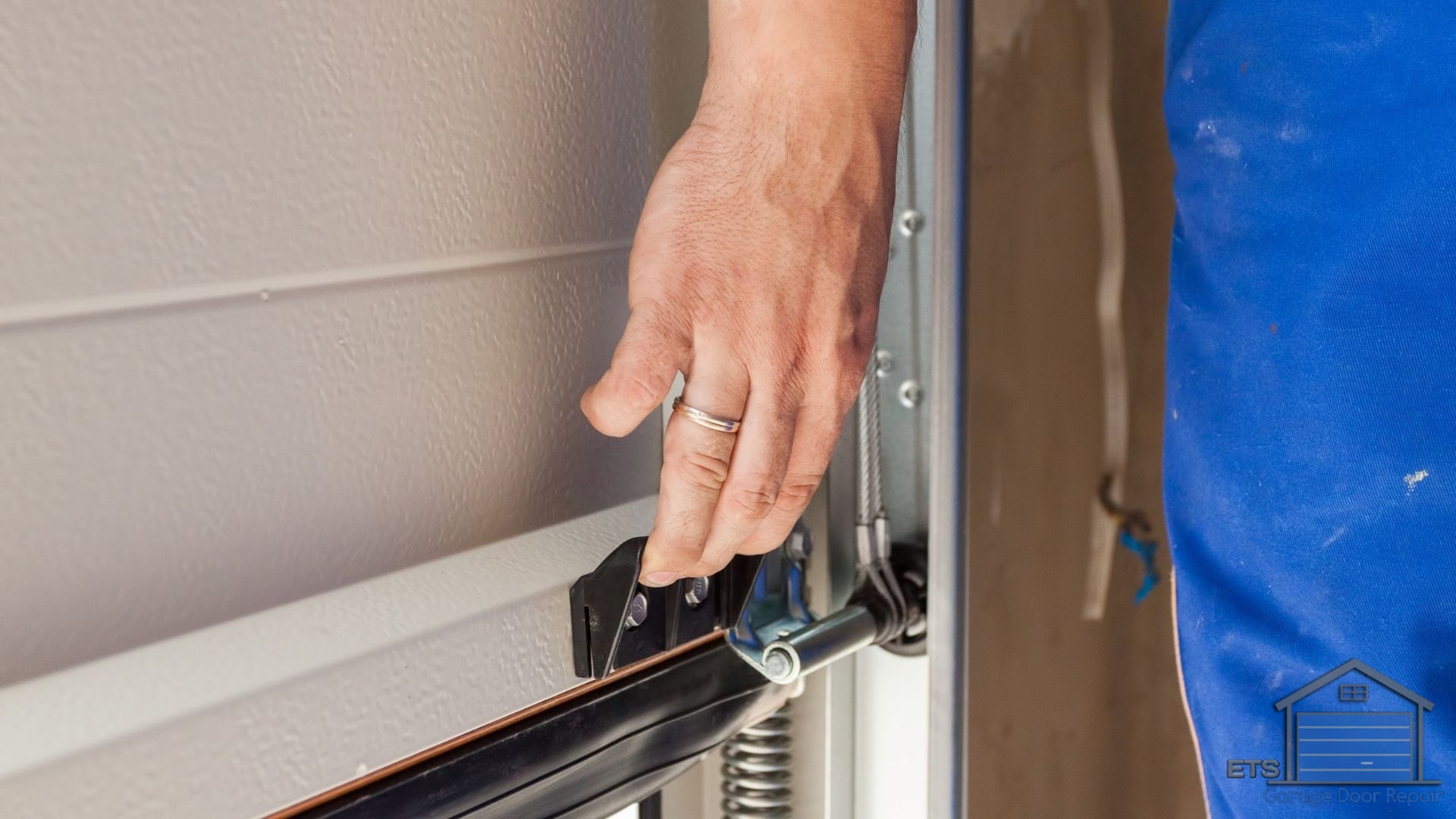
The track systems use heavier gauge steel with additional anchoring points. Wind rated doors also feature reinforced hinges, thicker panels (often 2 inches instead of 1.375 inches), and upgraded roller bearings.
When I install these doors, I notice the difference immediately. They’re significantly heavier and require more substantial framing support, which is why retrofit installations sometimes need additional structural work.
Alternatives to Full Wind Load Rating
If you want extra durability without the full expense of certified wind load doors, there are middle-ground options. Choosing thicker panels, adding reinforcement struts, and upgrading to commercial-grade hardware all improve wind resistance.
Proper installation matters enormously. I’ve seen standard doors perform beautifully in storms simply because they were installed correctly with adequate anchoring and adjustment.
Regular maintenance also helps any door withstand stress. Keeping tracks aligned, springs properly tensioned, and hardware tight ensures your door operates as designed when conditions get rough, just like other specialty doors such as Glass Garage Doors For Pacific Northwest Homes that require proper care.
What I Actually Recommend for Hillsboro Homes
For the vast majority of homes I service throughout Hillsboro, I recommend focusing on quality over specialized ratings. A well-built standard door from a reputable manufacturer will serve you perfectly through typical Oregon weather.
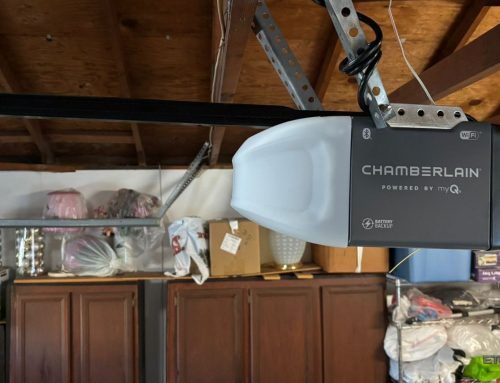
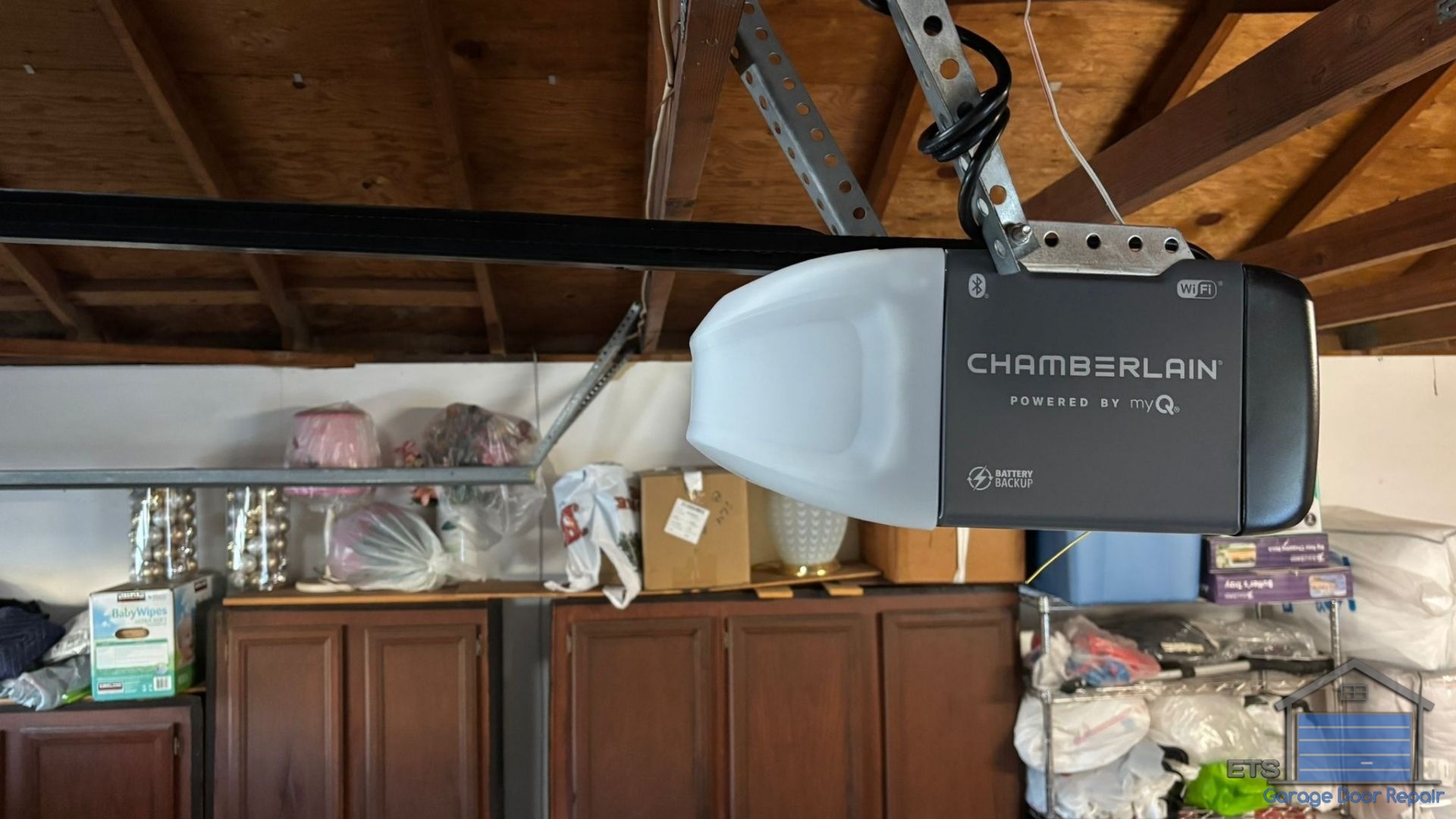
Invest your budget in insulation if your garage is attached to your home. Focus on a quality opener with battery backup for our occasional power outages. Make sure you Schedule Annual Garage Door Maintenance to keep everything functioning optimally.
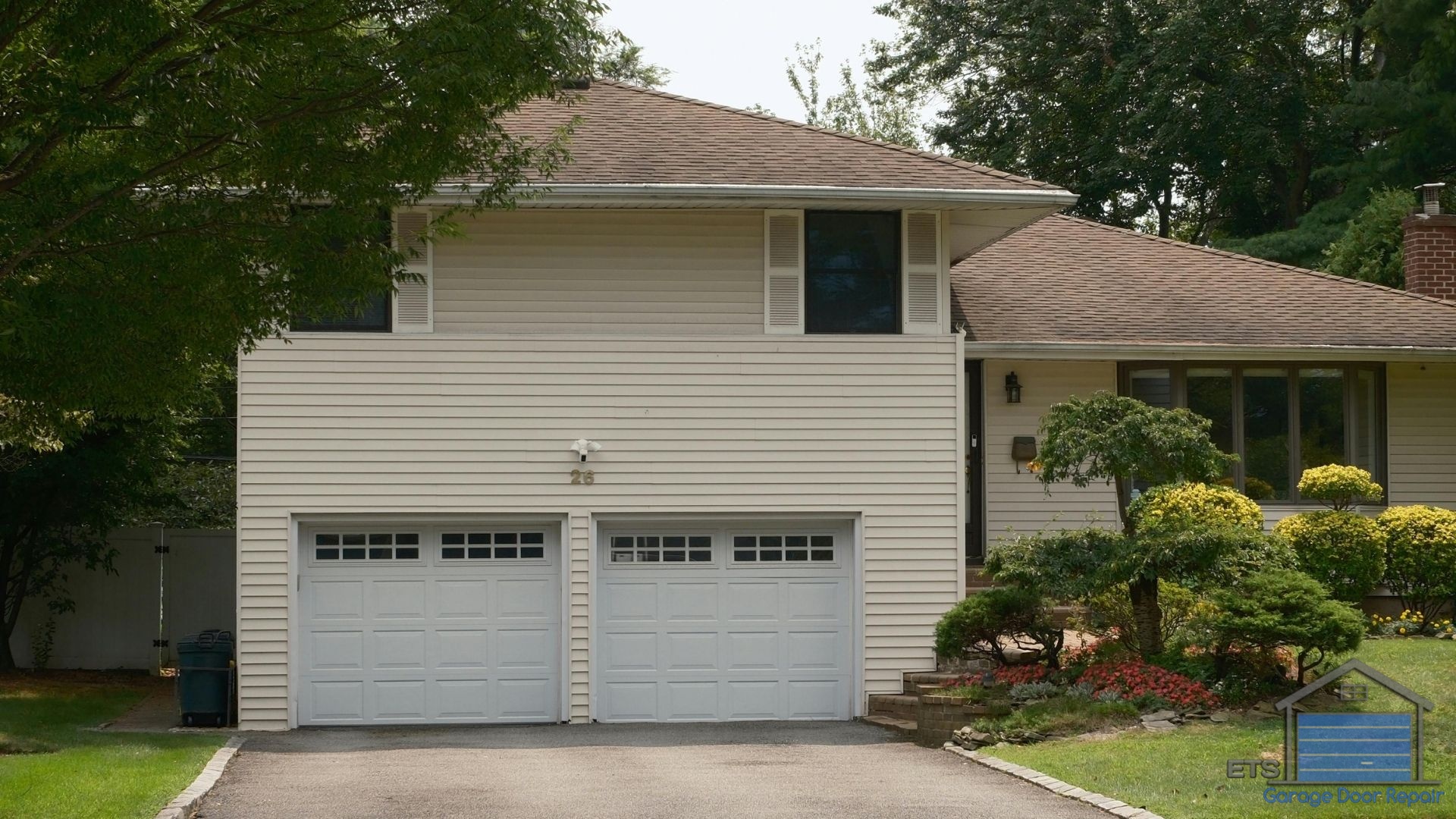
If your property has unique exposure or you’ve experienced wind damage before, then absolutely consider wind rated options. I’m happy to assess your specific situation and provide honest recommendations based on what I see.
Get Expert Advice for Your Specific Situation
Every property is different, and there’s no one-size-fits-all answer to whether you need a wind load rated garage door. Our team at ETS Garage Door Repair has worked on hundreds of installations across every neighborhood in Hillsboro, from Reedville to Rock Creek to North Plains.
If you’re considering a new garage door and wondering whether wind load ratings make sense for your home, I’m happy to visit your property and give you my honest assessment. We’ll look at your exposure, discuss your concerns, and help you make an informed decision that protects your investment without unnecessary expense.
Contact ETS Garage Door Repair today to schedule a free consultation for New Garage Doors. Let’s make sure your next garage door is exactly what your home needs, nothing more and nothing less.

Leave A Comment