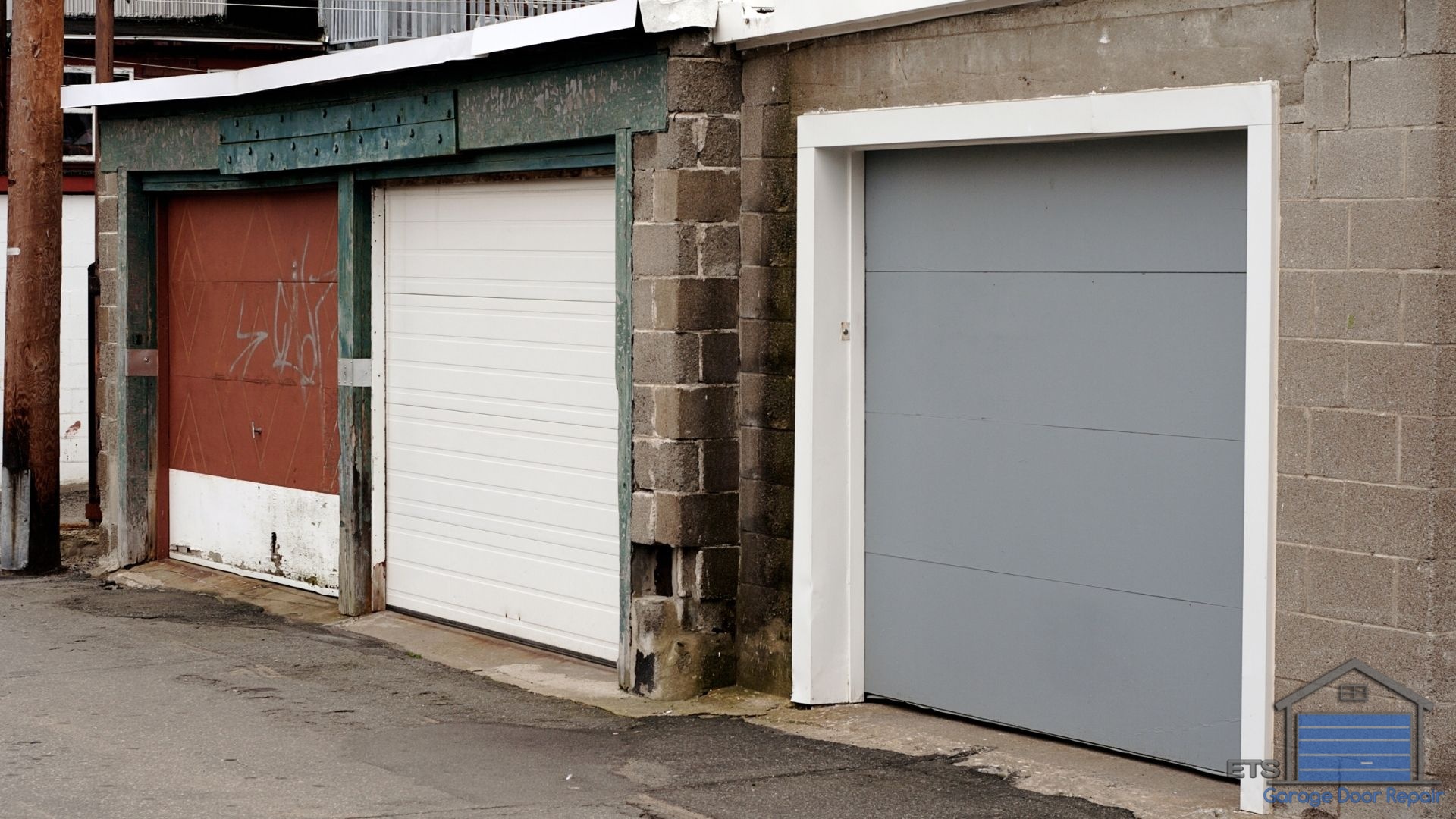
After installing and servicing commercial garage doors across Hillsboro for years, I’ve noticed business owners often struggle with one fundamental question: should they choose roll-up or sectional doors? I’ve worked on both types at warehouses in AmberGlen, retail spaces near Tanasbourne, and industrial facilities throughout Washington County, and I can tell you the choice makes a real difference in daily operations.
The decision between roll-up and sectional doors affects everything from your initial investment to long-term maintenance costs. Let me share what I’ve learned from real installations to help you make the right choice for your business.
Table of Contents
What’s the Difference Between Roll-Up and Sectional Doors?
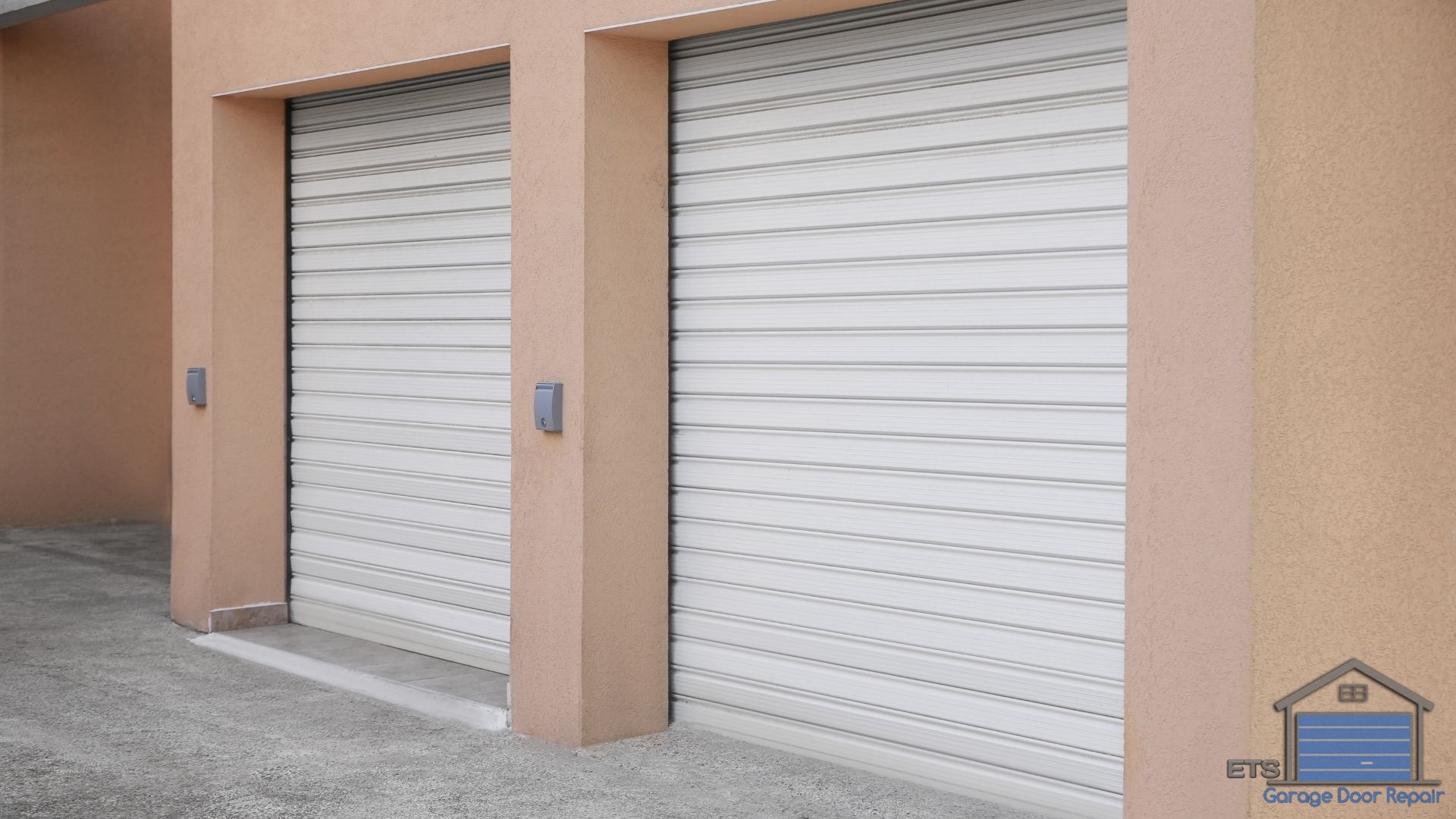
Roll-up doors consist of narrow metal slats that coil around a drum above the opening, similar to a window shade. Sectional doors use horizontal panels connected by hinges that travel along tracks and rest parallel to the ceiling when open.
The construction difference affects how each door operates and what space it requires. Roll-up doors need minimal interior clearance because they coil tightly above the opening. Sectional doors require ceiling space for the panels to travel along the track system.
When Roll-Up Doors Make the Most Sense
I recommend roll-up doors for businesses with limited interior space or low ceilings. They’re ideal when you need maximum clearance inside the building because they don’t extend into your workspace when open.
Roll-up doors excel in high-cycle applications where the door opens and closes frequently throughout the day. I’ve installed them at loading docks, storage facilities, and distribution centers where durability under constant use matters most.
These doors also work well for businesses that need security as a top priority. The continuous curtain design with interlocking slats provides excellent resistance against forced entry, which is why I see them chosen for equipment storage and high-value inventory spaces.
Why Many Hillsboro Businesses Choose Sectional Doors
Sectional doors offer better insulation than roll-up models, which matters in Oregon’s climate. The panel construction allows for foam insulation between steel layers, helping businesses reduce heating costs during our rainy, cool months.
I find sectional doors are quieter during operation, which makes them popular for businesses in mixed-use areas or where noise impacts customer experience. The panel system also provides more customization options for windows, colors, and architectural styles, whether you’re Installing New Commercial Doors or upgrading existing ones.
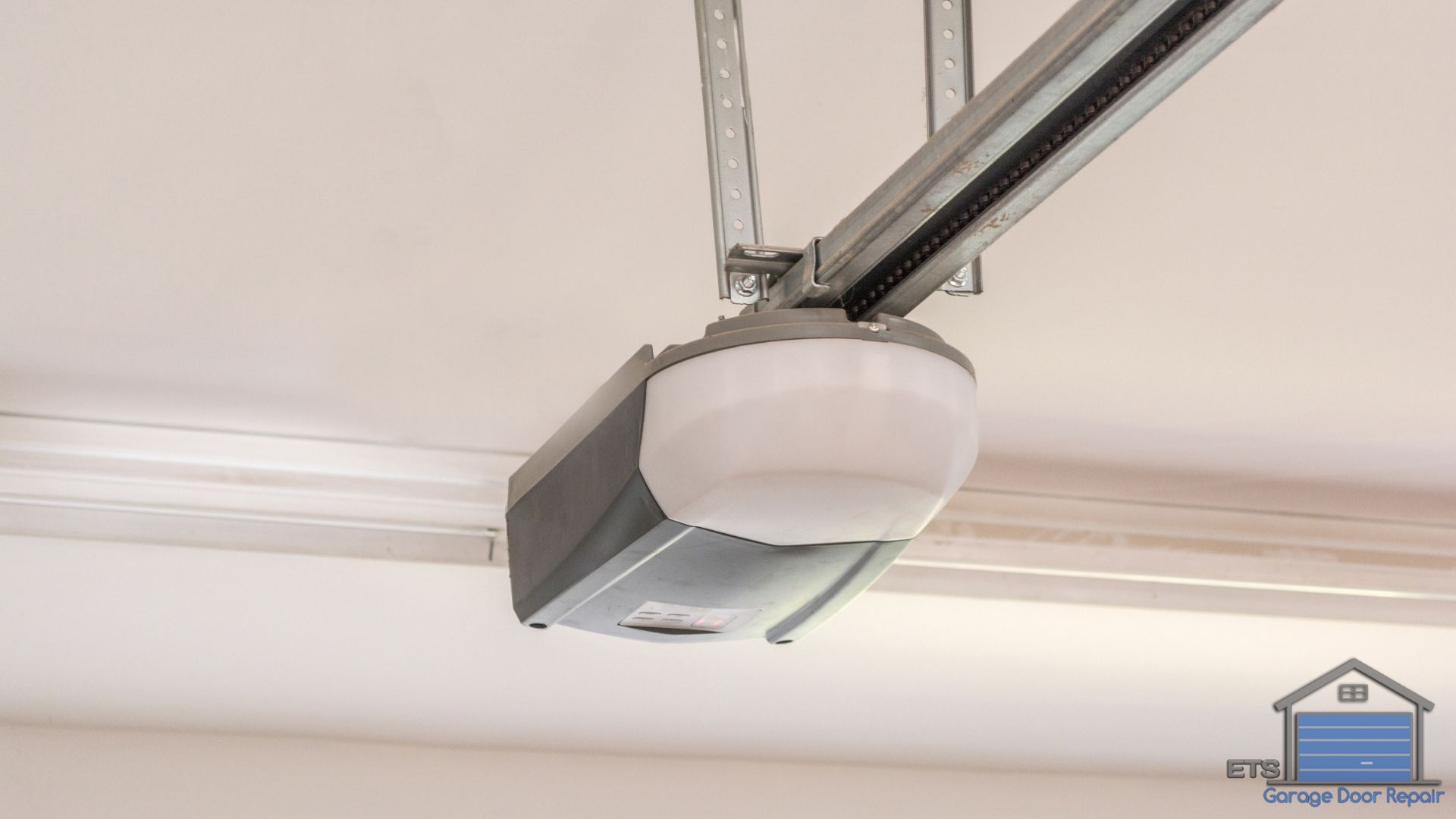
Sectional doors handle wind load better than roll-up doors because the track system keeps panels secured on both sides. This stability matters for businesses with large openings exposed to Pacific Northwest weather patterns.
How Do Maintenance Requirements Compare?
Roll-up doors require less frequent maintenance because they have fewer moving parts. The coiling mechanism is simpler than the spring, hinge, and track system of sectional doors.
However, when roll-up doors do need repair, the process often involves more specialized work. We typically need to address issues with the coil mechanism, guides, or the entire curtain rather than replacing individual components.
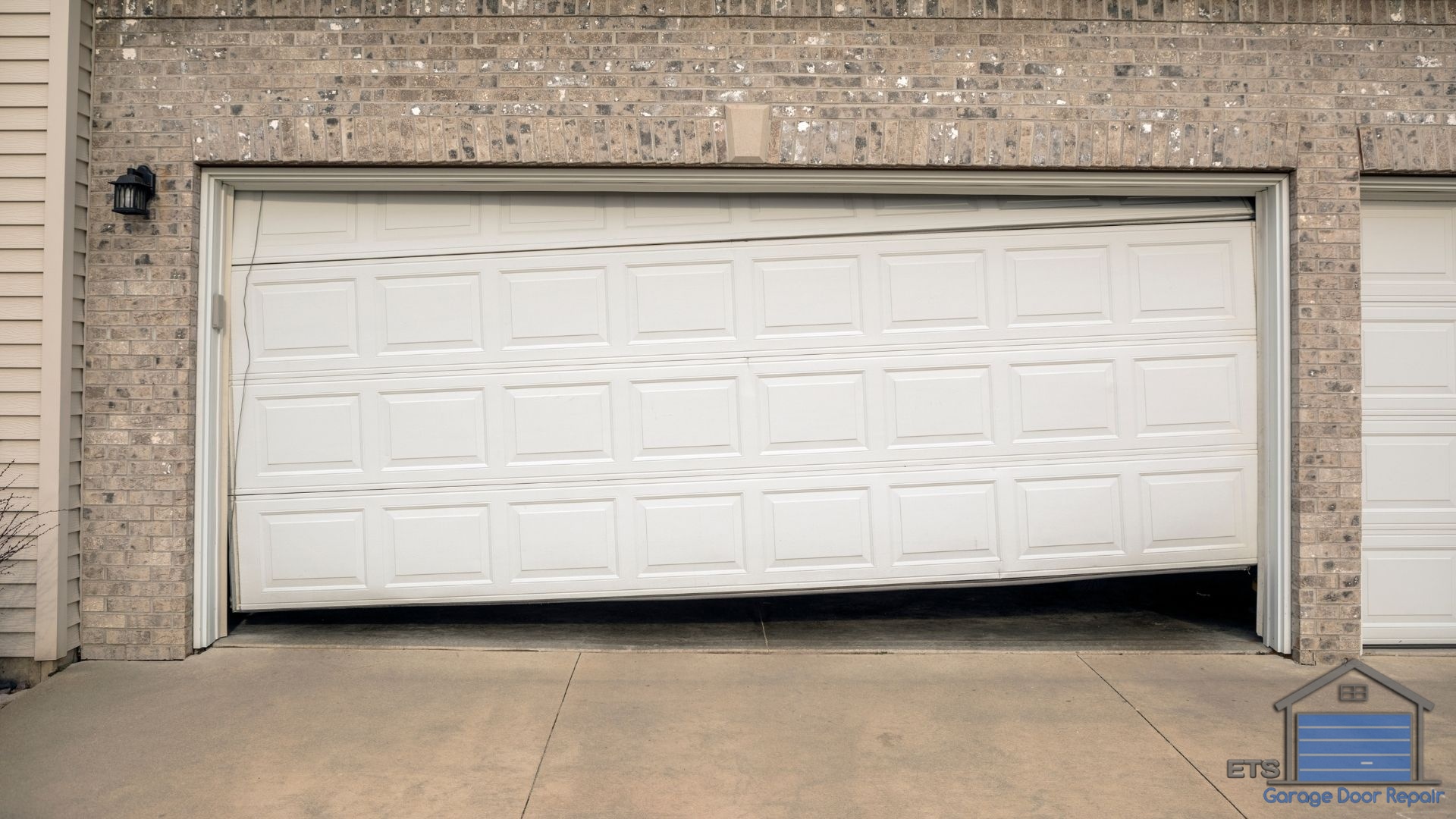
Sectional doors allow for easier part replacement. I can swap out a single damaged panel, replace worn rollers, or adjust springs without major disruption. This modular approach often means faster, more affordable repairs over the door’s lifetime, especially when you invest in Regular Maintenance Services.
What About Cost Differences?
Roll-up doors generally cost more upfront than comparable sectional doors, especially in larger sizes. The specialized manufacturing and installation process contributes to the higher initial investment.
Sectional doors offer more price flexibility because you can choose different insulation levels, materials, and features. Basic commercial sectional doors start at lower price points, while high-performance models compete with roll-up pricing.
I always tell business owners to consider the total cost of ownership, not just the purchase price. Factor in energy costs, expected maintenance, and how long you plan to occupy the space.
Which Door Type Works Best in Oregon Weather?
Our Hillsboro climate presents specific challenges that affect door performance. Sectional doors with quality weatherstripping handle our frequent rain better, keeping water out of your facility more effectively.
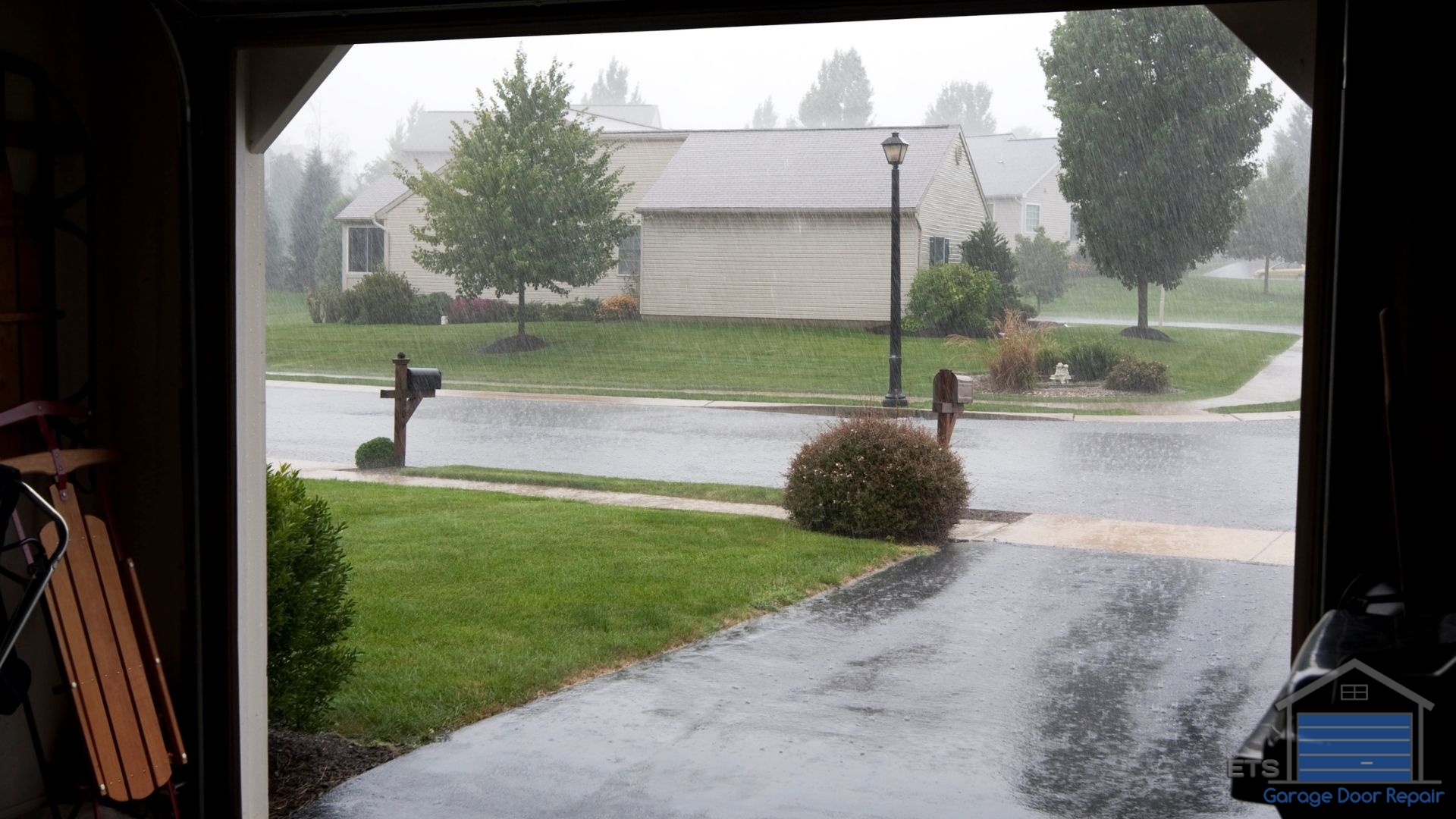
Roll-up doors can experience issues during occasional ice storms if moisture gets into the coiling mechanism. I’ve responded to several emergency calls after winter weather events where roll-up doors froze in the guides.
That said, both door types perform well when properly maintained. Regular lubrication and weatherseal inspections make the biggest difference in how either door handles Pacific Northwest conditions, just as choosing The Right Materials For Garage Doors impacts long-term durability.
Getting the Right Door for Your Business
The choice between roll-up and sectional doors depends on your specific situation. Consider your building’s characteristics, how you’ll use the door daily, your budget, and your long-term facility plans.
I’ve helped dozens of business owners in Hillsboro make this decision, and I’m always happy to visit your location to assess which door type fits your needs. Our team at ETS Garage Door Repair of Hillsboro can evaluate your space, discuss your operational requirements, and provide honest recommendations based on what we’ve seen work best for similar businesses, including guidance on Choosing The Right Smart Garage Door Opener to complement your commercial door system.
Give us a call to schedule a free consultation. We’ll help you choose the commercial door that keeps your business running smoothly for years to come.

Leave A Comment