
I’ll never forget the call I got from a homeowner in Tanasbourne who discovered black spots spreading across the interior of their garage door. What started as a little moisture had turned into a full-blown mold problem that spread to stored boxes and even their drywall. After years of serving Hillsboro families at Hillsboro Garage Door Repair, I’ve seen this issue more times than I can count, especially during our wet Oregon seasons.
Garage door condensation and mold aren’t just cosmetic problems. They can damage your door, harm your stored belongings, and create health risks for your family. The good news is that with the right understanding and preventive steps, you can keep your garage dry and mold-free year-round.
Table of Contents
Why Does Condensation Form on Garage Doors?
Condensation forms on your garage door when warm, humid air contacts a cold surface, causing water vapor to turn into liquid droplets. This happens most often during our Pacific Northwest rainy season when temperature differences between inside and outside air are greatest.
Your garage door acts like a giant sponge for temperature changes. When the metal or wood surface is colder than the air inside your garage, moisture in that air condenses on the door itself. I see this constantly in Hillsboro homes, particularly those with uninsulated doors facing north or east.
Several factors make condensation worse. Poor ventilation traps humid air inside your garage.
Running a dryer that vents into the garage adds moisture. Even parking a wet car after our typical Oregon rain brings gallons of water into the space that then evaporates into the air.
What Causes Mold to Grow on Garage Doors?
Mold grows on garage doors when condensation provides consistent moisture combined with organic material for the mold to feed on. Mold spores are everywhere in the air, but they only become a problem when they find the right conditions: moisture, food source, and temperatures between 40 and 100 degrees.
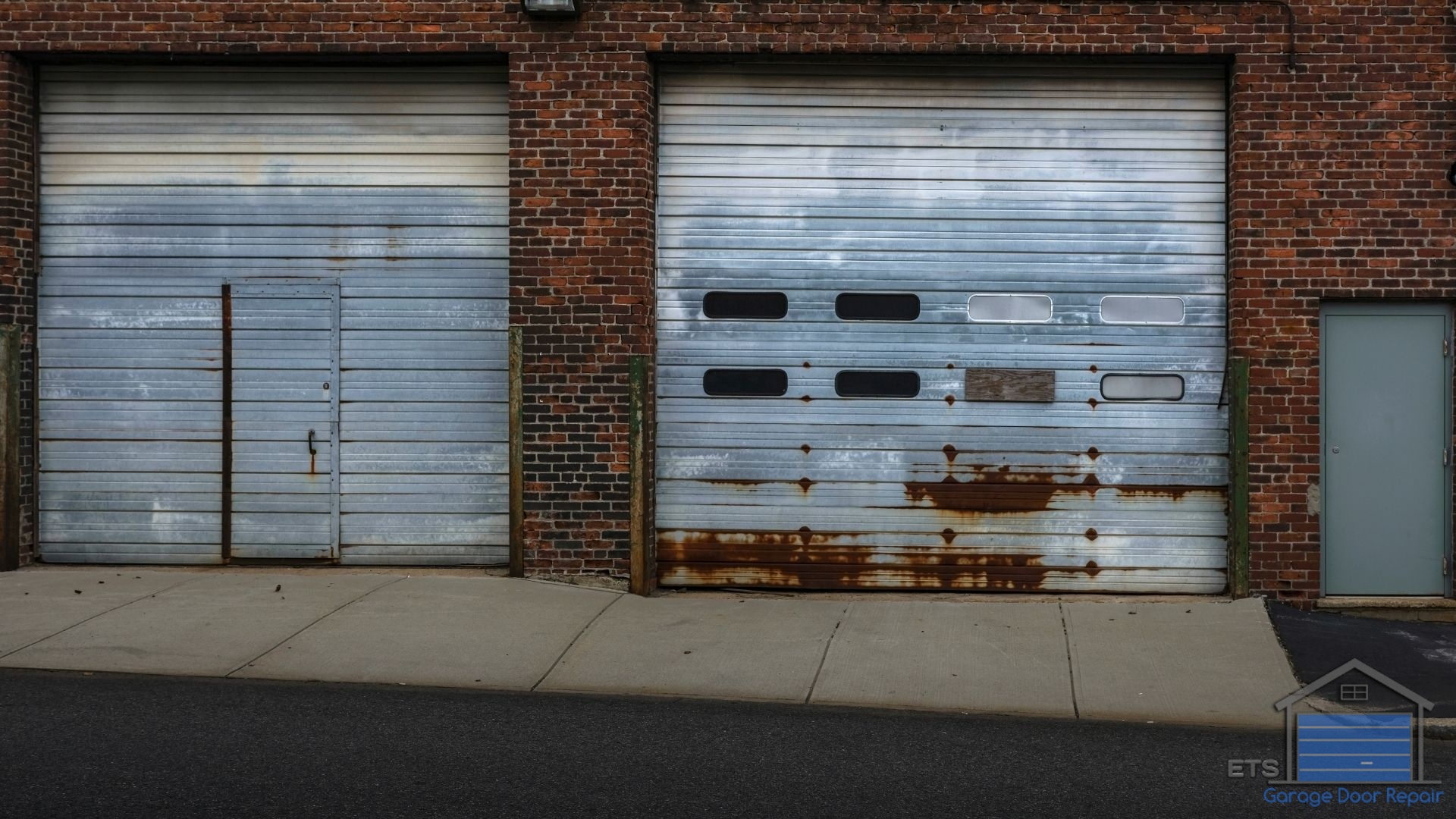
Wood garage doors are particularly vulnerable because wood itself provides food for mold. But I’ve also seen mold grow on steel doors when dust, pollen, or other organic debris accumulates on the wet surface. Our mild Hillsboro winters create perfect mold-growing temperatures that last for months.
The door’s interior surface is usually where I find the worst mold growth. Homeowners don’t look at that side as often, so the problem goes unnoticed until it’s severe. Dark, damp corners where the door meets the frame are prime spots for mold colonies to establish themselves.
How Can I Prevent Condensation on My Garage Door?
The most effective way to prevent garage door condensation is to install or upgrade to an insulated door with a high R-value. Insulation creates a thermal barrier that keeps the interior surface warmer, reducing the temperature difference that causes condensation.
I’ve installed hundreds of insulated doors across Washington County, and the difference is dramatic. Homeowners in Orenco and Witch Hazel Village who upgraded from single-layer steel doors to insulated models report seeing their condensation problems disappear almost immediately.
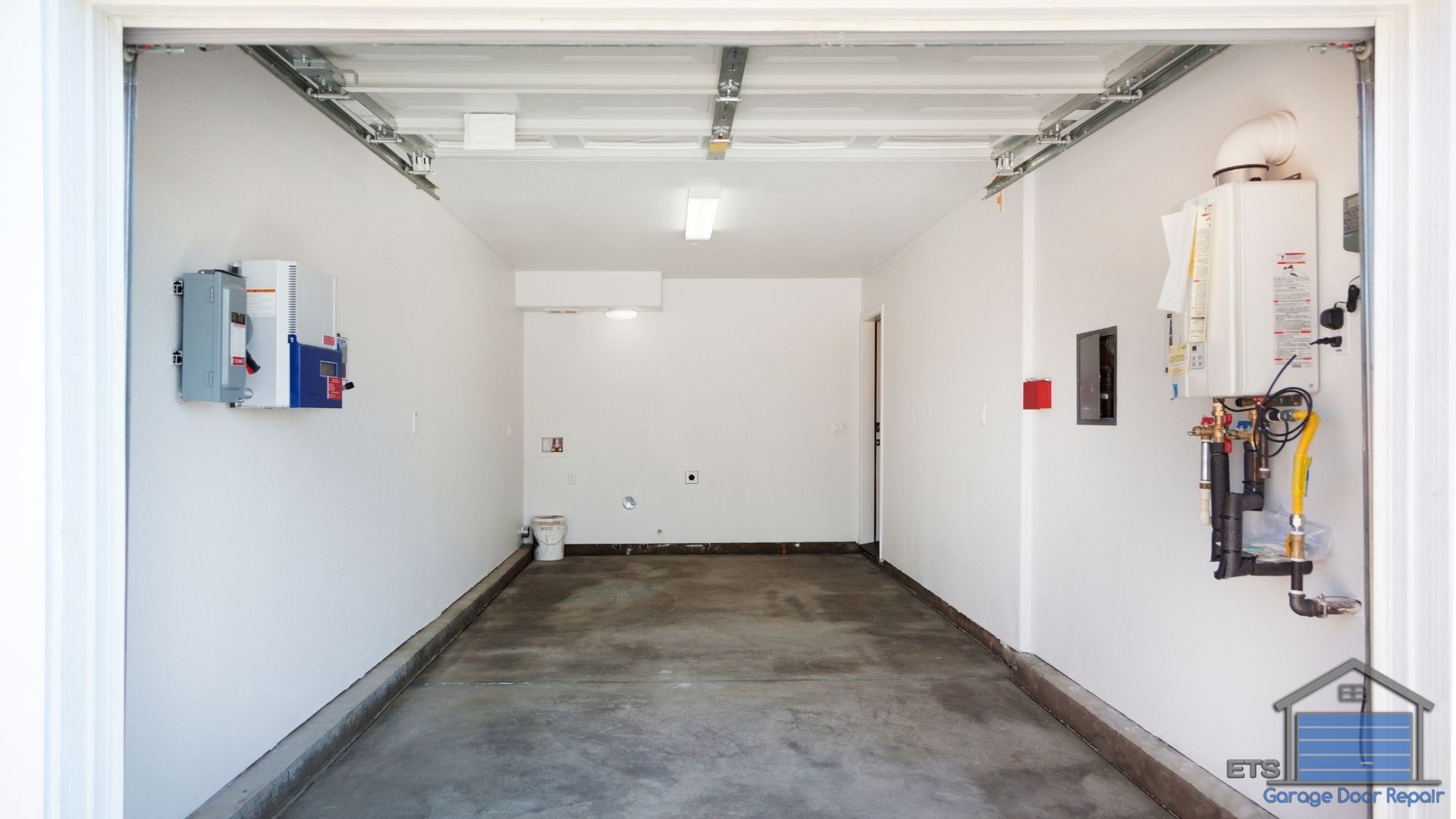
Improving garage ventilation is your second line of defense. Add passive vents near the roof line or install a small exhaust fan that runs periodically. Even cracking your garage door open an inch or two on dry days helps fresh air circulate and carry moisture out.
Control humidity sources inside your garage. Never vent your dryer into the garage space.
If you store firewood, keep it outside instead. After parking a wet vehicle, leave your garage door open for 10 to 15 minutes to let moisture escape before closing it for the night.
What’s the Best Way to Remove Mold from a Garage Door?
For light mold growth, mix one cup of bleach with one gallon of water and scrub the affected areas with a stiff brush. Wear gloves, eye protection, and ensure good ventilation while working. Rinse thoroughly with clean water and let the door dry completely.
I recommend this solution for surface mold on steel or aluminum doors. For wood doors with deeper mold penetration, you may need to sand the affected areas first, then treat with a mold-killing primer before repainting. Sometimes the damage is too extensive, and replacement becomes the better option.

Never paint over mold without killing it first. The mold will continue growing under the new paint, and you’ll face the same problem again within months. We’ve seen this mistake cost Hillsboro homeowners hundreds in wasted paint and labor.
Should I Use a Dehumidifier in My Garage?
A dehumidifier can help control garage moisture levels, especially if you live in a particularly damp area or have limited ventilation options. Set it to maintain humidity below 50 percent, which prevents most mold growth while not over-drying the space.
The challenge with garage dehumidifiers is that they work best in enclosed spaces. If your garage door’s weatherstripping is worn or you frequently open the door, you’re essentially trying to dehumidify the outdoors. Fix air leaks first, then consider adding a dehumidifier if problems persist.
For attached garages with living spaces above, a dehumidifier provides the added benefit of protecting your home’s structure. Moisture that migrates upward from your garage can affect floor joists, insulation, and even create problems in your main living areas.
How Does Weatherstripping Help with Condensation Problems?
Quality weatherstripping creates a seal that keeps humid outside air from entering your garage while preventing conditioned air from escaping. This stabilizes the temperature inside your garage, reducing the conditions that cause condensation.
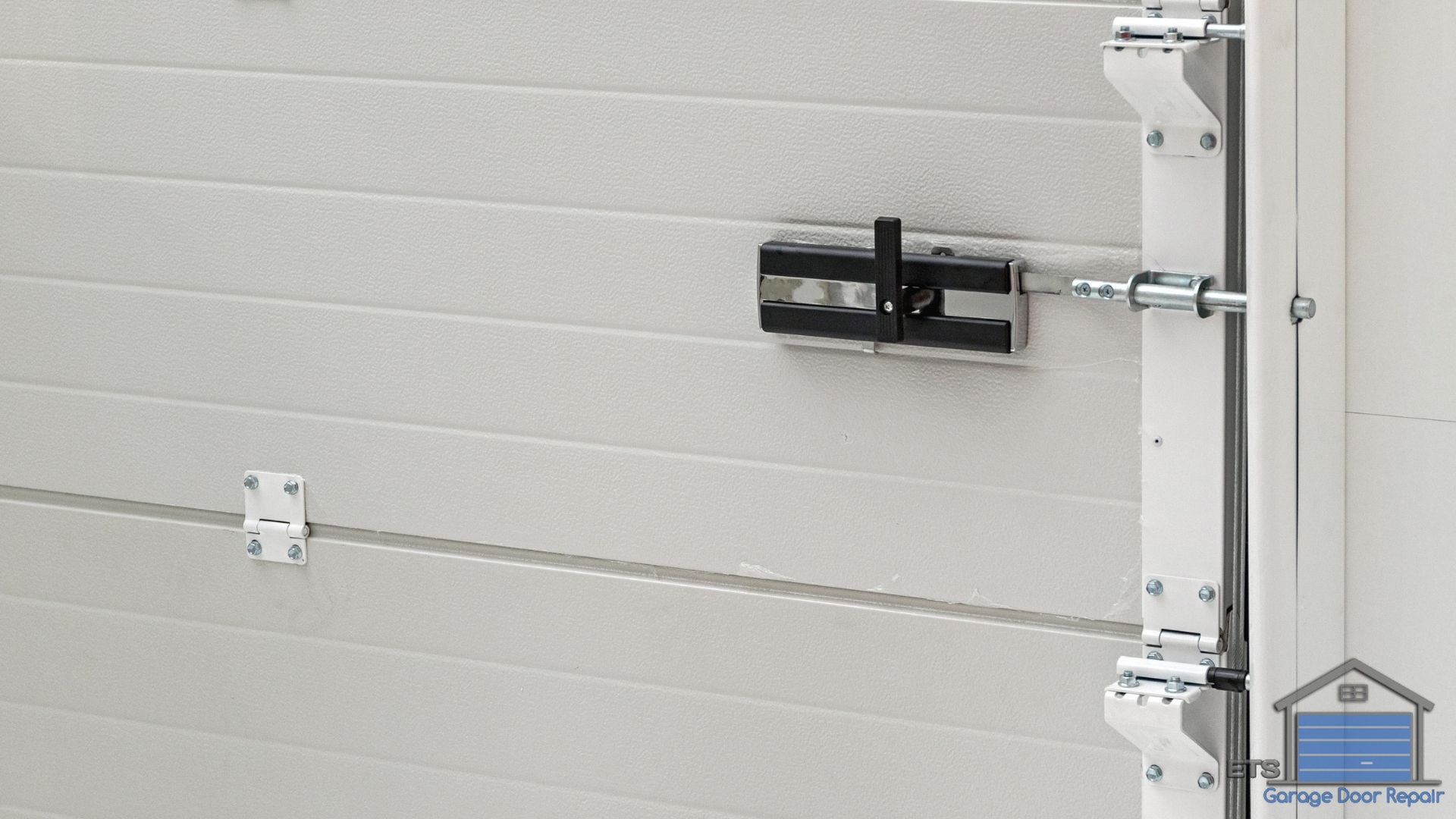
I replace worn weatherstripping on dozens of Hillsboro garage doors every month. The bottom seal takes the most abuse from our wet climate and typically needs replacement every three to five years. Side and top seals last longer but should still be inspected annually.
During heavy rain, check for water infiltration around your door. If you see puddles forming near the threshold or water running down the sides, your weatherstripping has failed. That water adds humidity to your garage and often leads to Condensation And Mold Problems down the line.
Protect Your Garage from Moisture Damage
Condensation and mold don’t have to be inevitable parts of owning a home in our rainy Pacific Northwest climate. With proper insulation, good ventilation, and regular maintenance, you can keep your garage door dry and your stored belongings safe from moisture damage.
Our team at ETS Garage Door Repair has helped countless Hillsboro homeowners solve their condensation and mold problems. Whether you need an insulated door upgrade, weatherstripping replacement, or just advice on improving your garage’s ventilation, we’re here to help with solutions that work for our local climate.
If you’re dealing with persistent condensation or have discovered mold on your garage door, don’t wait for the problem to get worse. Give us a call, and we’ll assess your situation and recommend the most effective, cost-efficient solution for your home with our Door Designer tool or Professional Garage Door Services.

Leave A Comment