

I’ve lost count of how many times a frustrated Hillsboro homeowner has called me because their garage door won’t close. It starts to come down, then suddenly reverses and goes right back up. This automatic reversal feature is actually a safety mechanism, but when it activates constantly, it signals something needs attention.
After years of diagnosing this exact problem across Washington County, I can tell you there are five common culprits behind unwanted reversals. Let me walk you through each one and explain what we typically do to fix them.
Table of Contents
How Do Garage Door Safety Sensors Trigger Reversals?
Your garage door has two photo-eye sensors mounted on each side of the door track, about six inches above the ground. If anything blocks the invisible beam between them, your door reverses immediately to prevent injury or damage. This is the most common reason I see for automatic reversals.
The sensors can become misaligned from vibrations, accidental bumps, or even shifting caused by our Oregon soil conditions. When they’re not perfectly aimed at each other, the door thinks something is in the way.
I also find that cobwebs, dirt, or water spots on the sensor lenses cause false triggers. In our rainy climate here in Hillsboro, moisture and debris accumulate quickly on these small devices.
What Should I Check With My Safety Sensors?
First, look at the small LED lights on each sensor. Most models show a solid green light when properly aligned. If you see a blinking or red light, the sensors aren’t communicating correctly.
Clean both sensor lenses with a soft cloth. You’d be surprised how often this simple step solves the problem completely.
Check if the sensors are pointed directly at each other. I use a level to ensure they’re at the same height and adjust the mounting brackets until the LEDs indicate proper alignment.
Could My Garage Door’s Close Limit Settings Be Wrong?
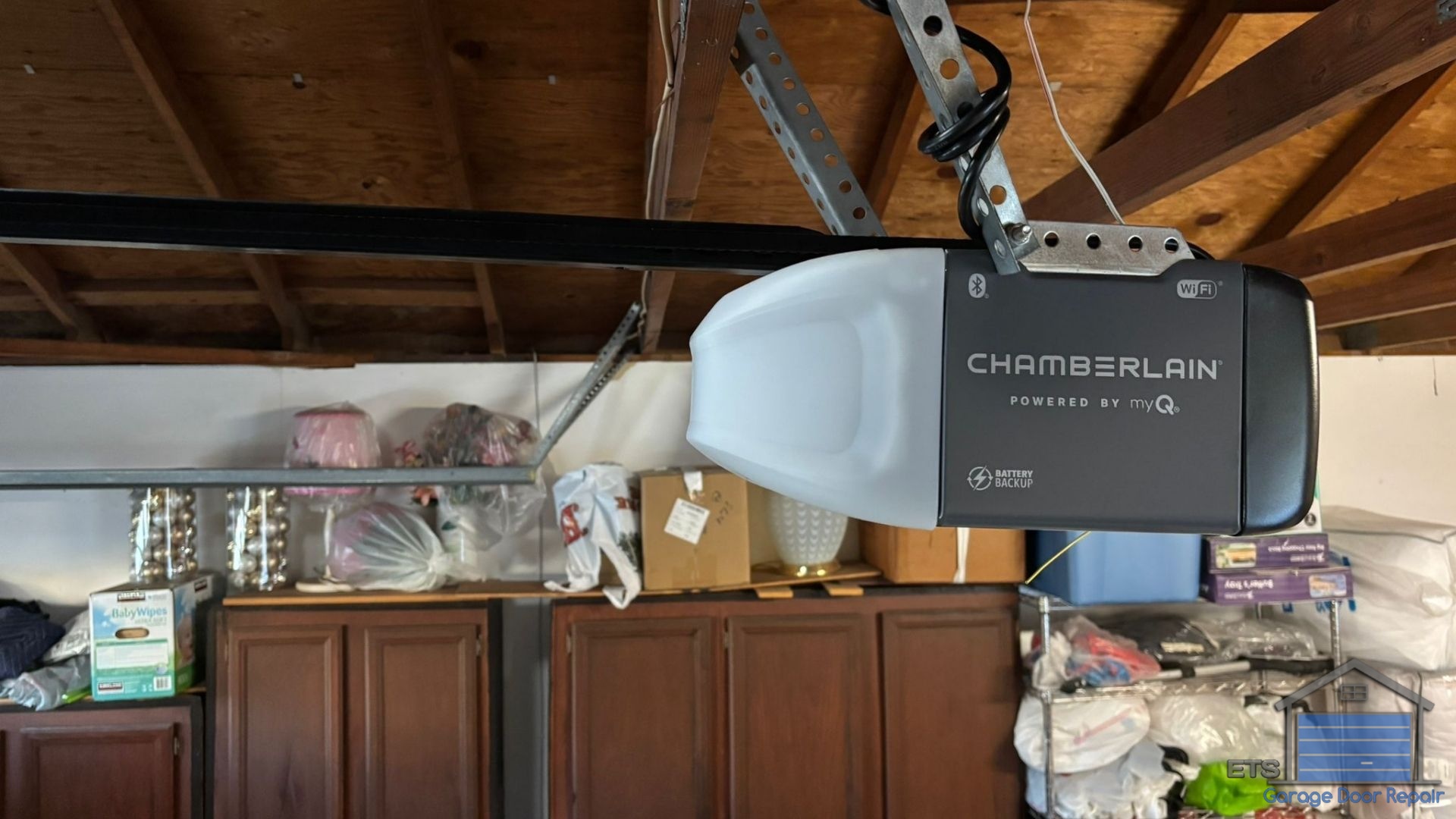
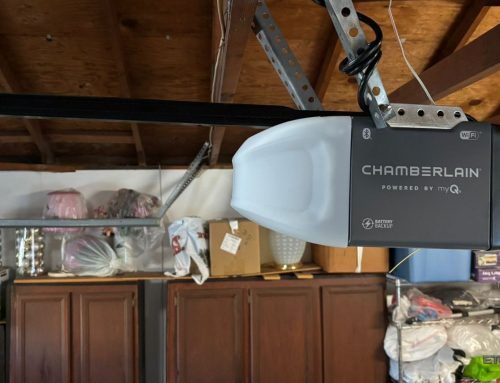
The close limit tells your garage door opener when the door has reached the ground. If this setting is incorrect, the opener thinks the door has hit an obstruction when it touches the floor, triggering an automatic reversal.
This problem often develops gradually as springs wear and the door’s position shifts over time. I see it frequently in neighborhoods like Orenco and Tanasbourne where homes are 10 to 15 years old and still have original hardware.
Your opener has adjustment screws or digital settings labeled “UP” and “DOWN” or “OPEN” and “CLOSE.” The close limit may need to be increased slightly so the door fully contacts the ground before the opener stops.
Are Your Garage Door Tracks Obstructed or Damaged?
Sometimes the door itself encounters physical resistance that triggers the reversal safety feature. I’ve found everything from children’s toys to fallen storage items blocking the tracks in Hillsboro garages.
Damaged or bent tracks also create resistance. If a section of track is dented or misaligned, the rollers can’t move smoothly, and the opener senses this as an obstruction.
Inspect your tracks visually for any debris, dents, or warping. The door should move freely without binding or scraping sounds when you manually operate it with the opener disconnected, similar to Opening Your Garage Door Without Power In An Emergency.
Can Weather Affect My Garage Door’s Reversing Behavior?
Yes, absolutely. During Pacific Northwest winter weather, ice can form on the garage floor where the door meets the ground. When the door contacts ice instead of smoothly closing, the resistance triggers a reversal.
Temperature changes also affect the sensitivity settings on your opener. Metal components expand and contract, which can throw off the force settings just enough to cause problems.
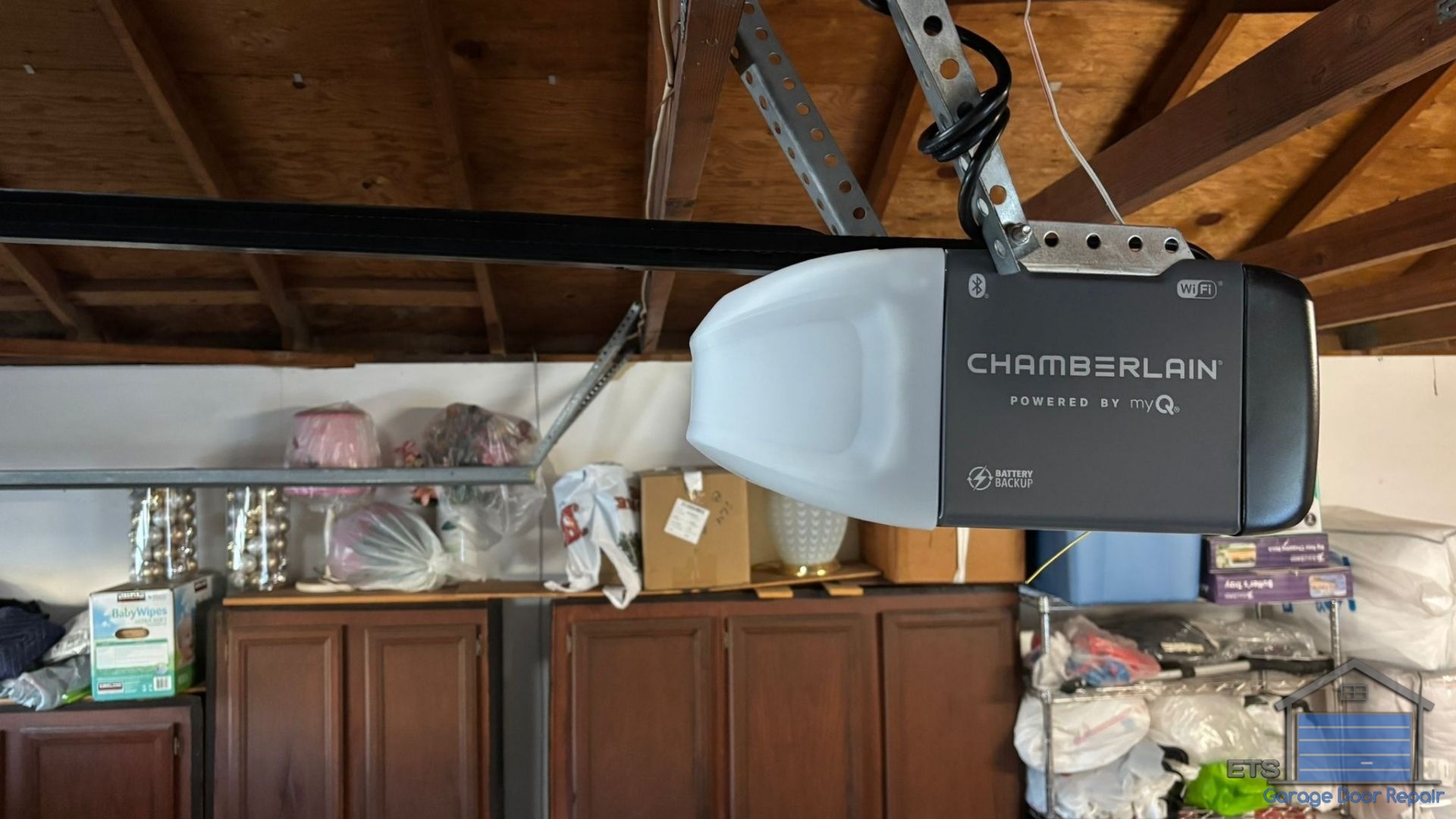
If your reversals only happen during certain weather conditions, the force setting may need seasonal adjustment. Most openers have a force adjustment dial that controls how much resistance triggers the safety reversal, and upgrading to A Smart Garage Door Opener For Your Home can provide better control over these settings.

What About Worn Springs or Broken Parts?
When garage door springs weaken, they don’t counterbalance the door’s weight properly. This makes the opener work harder, and the increased resistance can trigger the reversal mechanism.
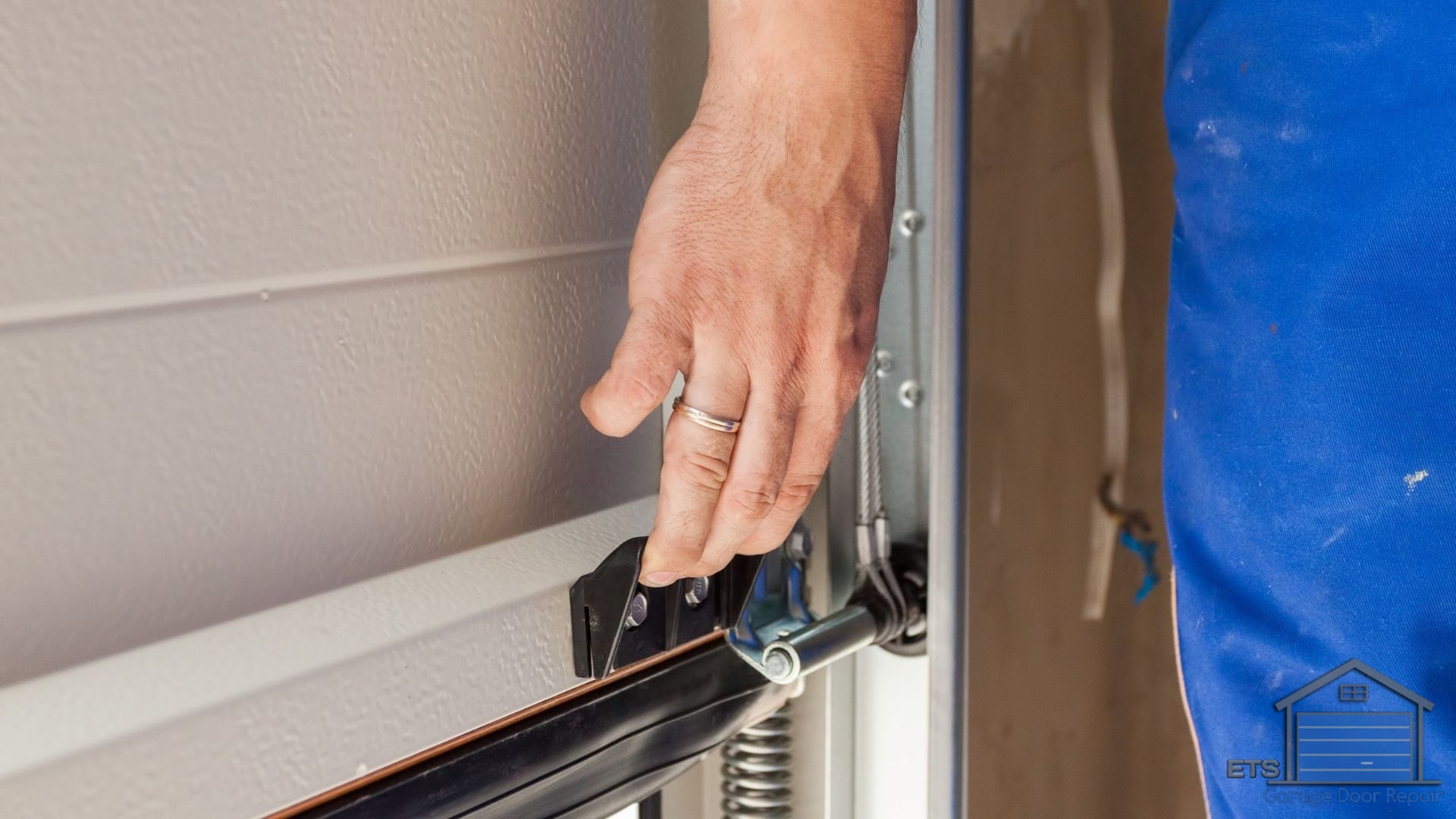
Worn rollers, hinges, or a damaged bottom seal also create drag that the opener interprets as an obstruction. I often discover these issues during routine service calls across Hillsboro.
If your door feels heavy when you manually lift it, or if you hear grinding sounds during operation, worn components are likely the problem. These require professional replacement for safety reasons, and you might also consider exploring Door Design Options if replacement becomes necessary.
Get Expert Help for Persistent Garage Door Reversals
While sensor cleaning and basic adjustments are safe DIY tasks, some reversal issues require professional diagnosis. Problems with force settings, limit adjustments, or mechanical components involve your opener’s calibration and your door’s balance.
Our team at ETS Garage Door Repair has been solving these exact problems for Hillsboro homeowners for years. We carry the diagnostic tools and replacement parts needed to fix reversals quickly, usually in a single visit.
If you’ve checked the obvious causes and your garage door still won’t stay closed, give us a call for Hillsboro Garage Door Repair. We’ll identify the problem, explain your options clearly, and get your door working reliably again.

Leave A Comment