

I’ve been fixing noisy garage doors around Hillsboro for years, and I can tell you this: that grinding, squealing, or rattling sound isn’t something you just have to live with. A noisy garage door usually signals specific problems that are easy to fix once you know what you’re looking for.
In this guide, I’ll walk you through the most common causes of garage door noise and show you exactly how our team silences them. Most of these issues take less than an hour to resolve.
Table of Contents
What’s Actually Causing Your Garage Door Noise?
The most common causes of a noisy garage door are dry or worn rollers, loose hardware, misaligned tracks, and aging opener mechanisms. Each of these creates a distinct sound that helps us diagnose the problem quickly.
When homeowners call us about noise, I always ask them to describe what they’re hearing. A grinding sound usually means worn rollers, while a rattling typically indicates loose bolts or brackets.
Check and Tighten All Hardware First
The vibration from opening and closing your garage door hundreds of times loosens bolts and screws. This is especially common in our Pacific Northwest climate where temperature changes cause metal to expand and contract.
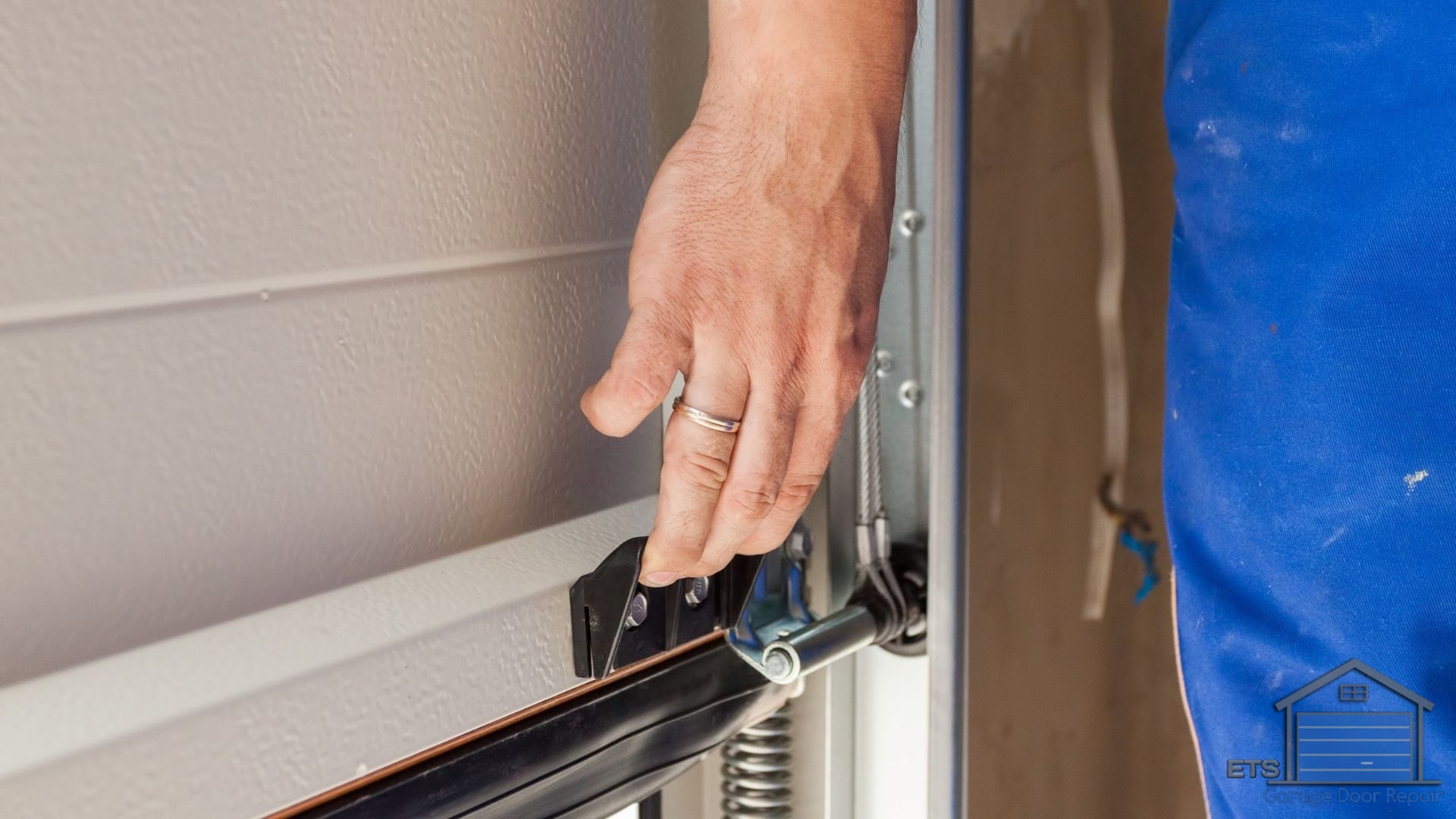
Grab a socket wrench and check every bolt, bracket, and hinge on your door. Tighten anything that’s loose, but don’t overtighten. You want everything snug, not stripped.
I do this check on every service call because it’s simple and often reduces noise immediately. Pay special attention to the roller brackets and track mounting bolts.
Replace Worn Metal Rollers with Nylon Ones
Metal rollers are the number one noise culprit I see in Hillsboro homes. They wear down over time and create a loud grinding or squealing sound as they move through the tracks.
Nylon rollers are quieter, last longer, and cost between $5 and $15 each. We typically replace all the rollers at once because if one is worn, the others aren’t far behind.
This upgrade makes the biggest difference in overall noise reduction. Most homeowners are amazed at how much quieter their door becomes after we swap out old metal rollers for quality nylon ones, and if you’re considering a complete door upgrade, you can explore options with our Door Designer tool.
Lubricate Moving Parts with the Right Product
Regular lubrication prevents friction and wear on all moving components. Use a silicone-based or lithium-based garage door lubricant, never WD-40 which actually attracts dirt and grime.
Apply lubricant to the rollers, hinges, springs, and the top of the chain or belt drive. I do this every six months on my own door at home, and I recommend the same schedule to customers.
For Hillsboro’s damp climate, proper lubrication also helps prevent rust from forming on metal components. A few minutes of maintenance twice a year prevents most noise problems before they start.
Why Is My Garage Door Opener So Loud?
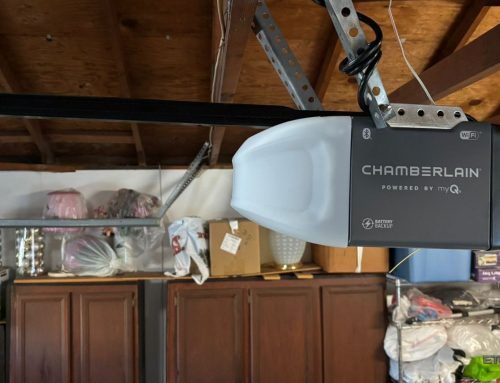
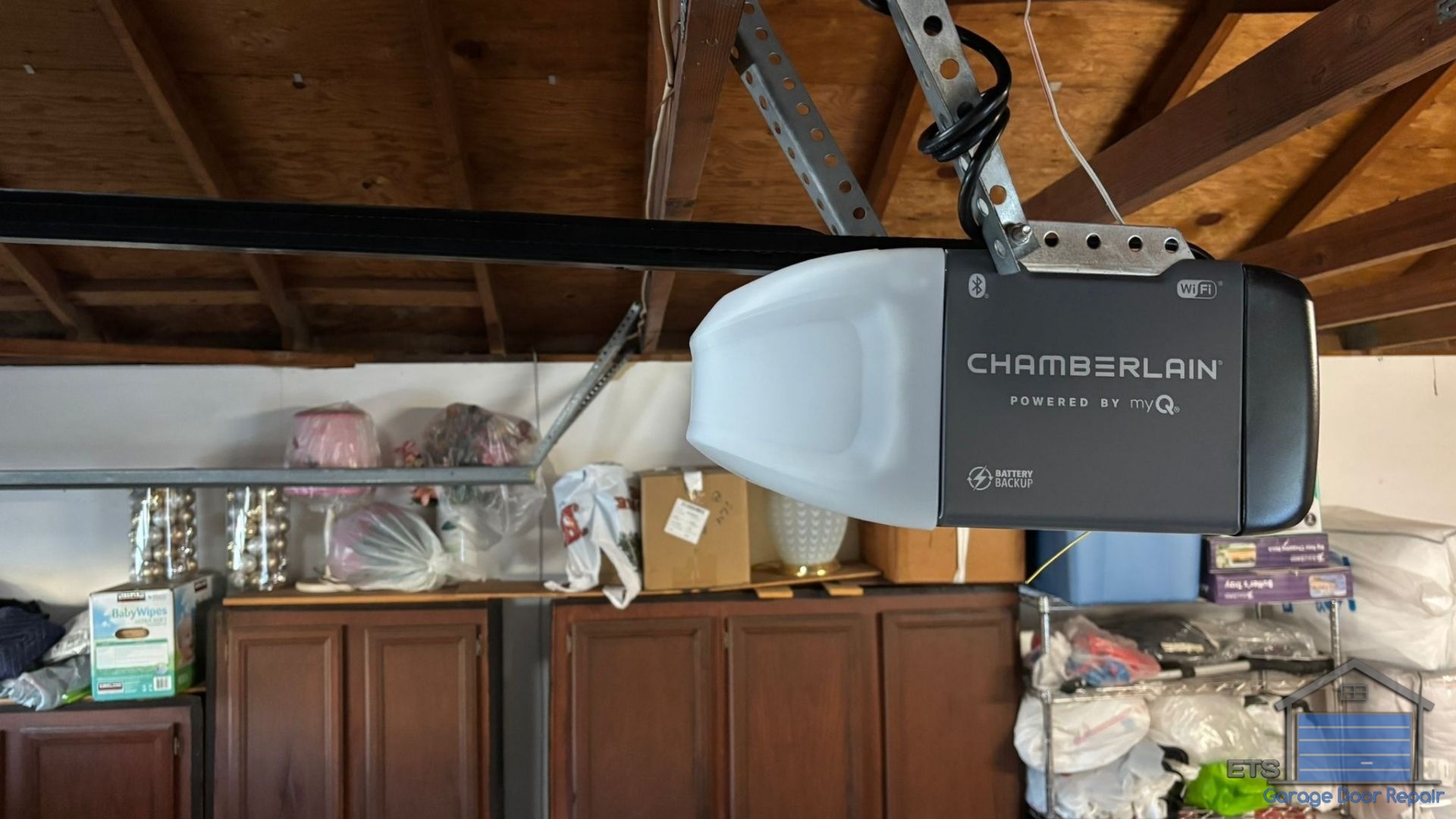
An older chain drive opener naturally makes more noise than a belt drive model. If your opener is over 10 years old and mounted to the ceiling, vibrations transmit sound directly into your living space.
Installing vibration isolators between the opener and ceiling can reduce this noise significantly. These rubber pads cost under $20 and take minutes to install.
If the opener motor itself is grinding or straining, it might be time for a replacement. Modern belt drive openers with DC motors run almost silently, which makes a huge difference if you have bedrooms above or near your garage.

Inspect and Align Your Track System
Misaligned tracks cause the door to bind and create noise as it forces its way up and down. I check track alignment using a level and measuring from the back of the garage to ensure both sides are parallel.
Small adjustments to the mounting brackets can fix alignment issues. But if the tracks are damaged or severely bent, replacement is the safer option.
Never try to bend tracks back into shape yourself. The door’s weight puts tremendous stress on the track system, and improper repairs can lead to dangerous failures, so it’s important to learn How To Spot A Garage Door Repair Scam before hiring just anyone for the job.
Consider the Age and Condition of Your Springs
Garage door springs don’t typically cause noise themselves, but worn springs force your opener to work harder, which increases motor noise. If your springs are more than seven years old, they’re nearing the end of their lifespan.
During our service calls around neighborhoods like Orenco and Tanasbourne, we always inspect spring condition while addressing noise complaints. Sometimes what sounds like a roller problem is actually a struggling opener compensating for weak springs, and you can learn more about Garage Door Spring Replacement Cost In Hillsboro to plan for this essential repair.
Let Our Team Help Silence Your Garage Door
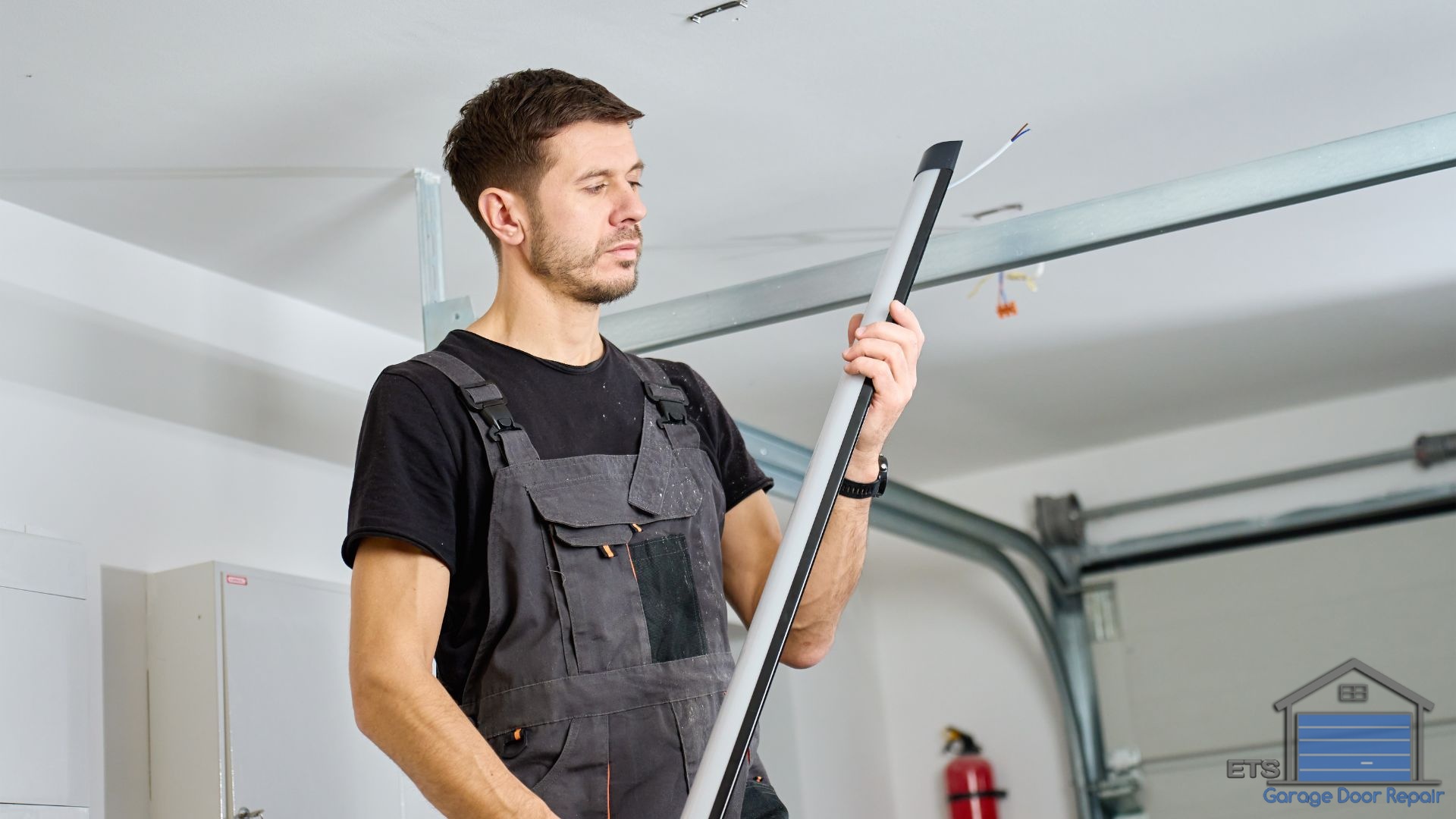
Most noise issues are straightforward fixes, but some require professional diagnosis and repair. If you’ve tried basic troubleshooting and your garage door is still disruptive, I’d be happy to take a look.
Our team at ETS Garage Door Repair of Hillsboro has been serving Washington County homeowners for years, and we’ve seen every type of noise problem imaginable. We’ll identify the cause quickly and give you honest recommendations about the most cost-effective solution.
Call us today to schedule a service appointment with Hillsboro Garage Door Repair and a quiet garage door is usually just one visit away.

Leave A Comment