

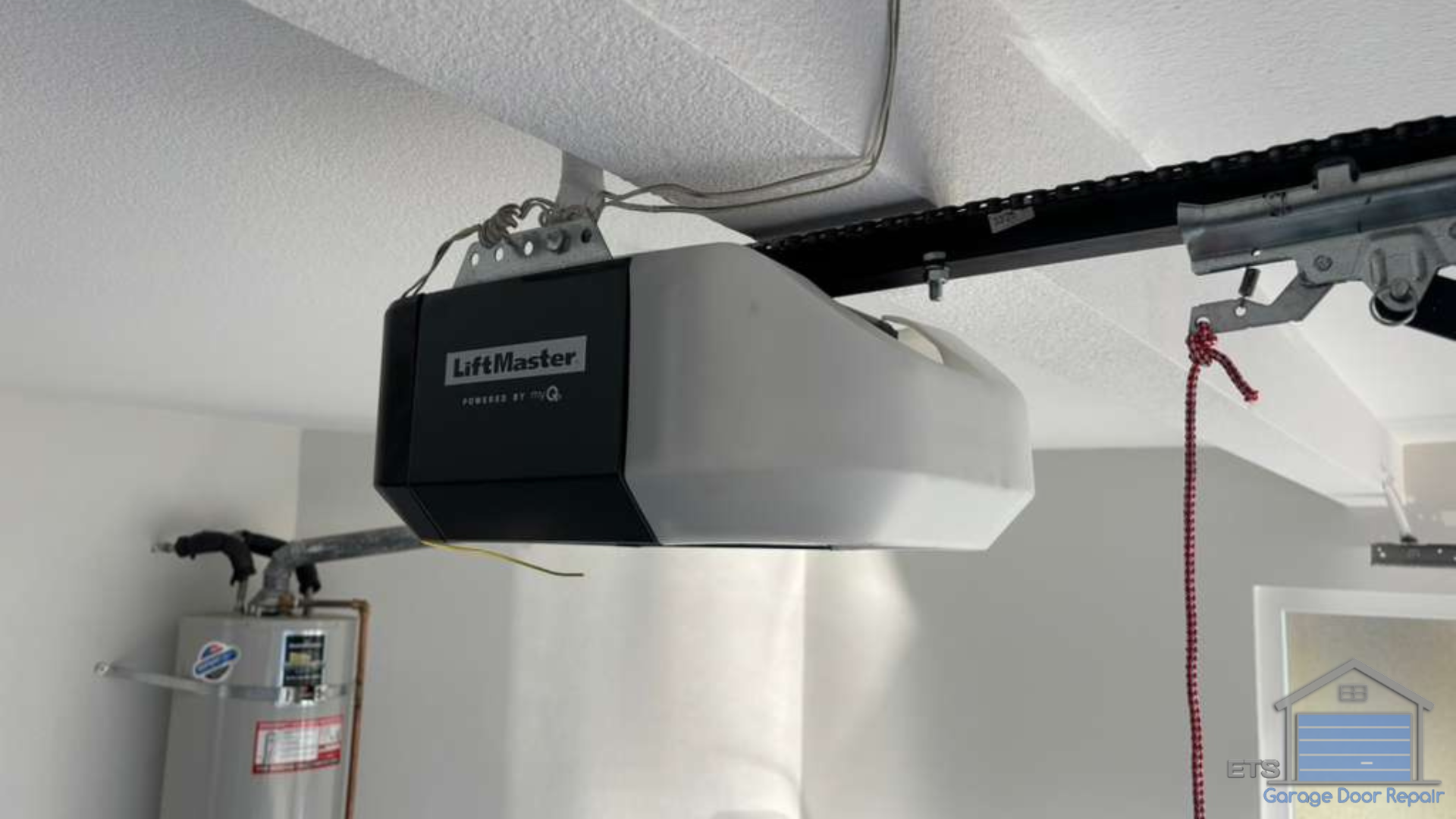
I can’t tell you how many times I’ve arrived at a Hillsboro home for what seemed like a simple garage door opener repair, only to discover the real problem was an unbalanced door. The homeowner had no idea their door was out of balance, but that hidden issue had been slowly destroying their opener motor and wearing out critical components for months.
Balance testing is one of the most overlooked aspects of garage door maintenance, yet it’s absolutely essential for keeping your system running safely and efficiently. After years of servicing doors throughout Washington County, I’ve seen firsthand how a properly balanced door can add years to your system’s life and prevent emergency repairs.
Table of Contents
What Is Garage Door Balance Testing?
Garage door balance testing measures whether your springs are properly calibrated to support the door’s weight. A balanced door should stay in place when opened halfway and require minimal force from your opener to lift.
When springs lose tension over time or break completely, the door becomes unbalanced. This forces your opener to work much harder than it was designed to, leading to premature motor failure and other costly problems.
Why Balance Matters More Than Most Homeowners Realize
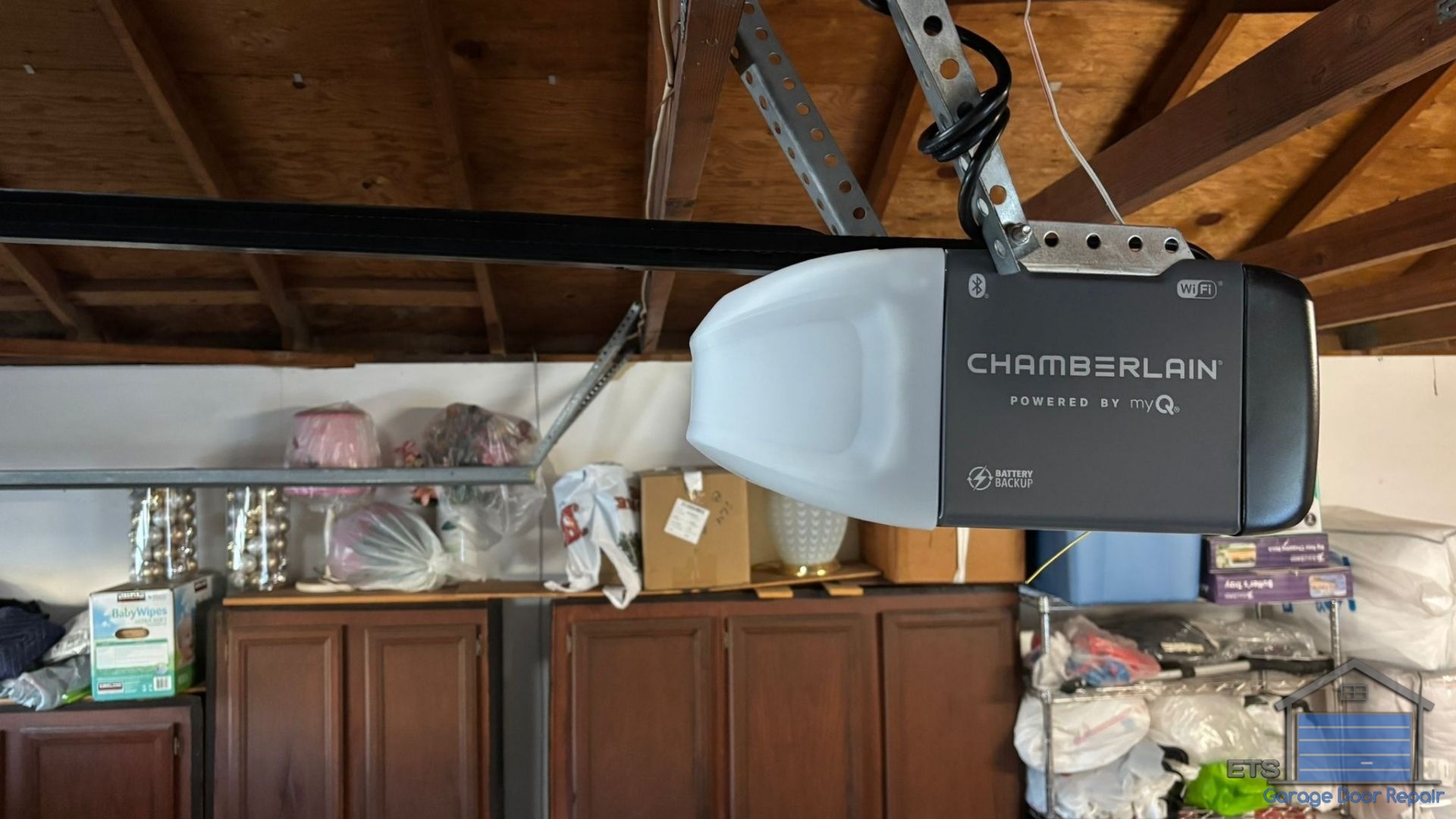
Your garage door opener isn’t designed to lift the full weight of your door. It’s actually just there to assist the springs, which do about 90% of the heavy lifting. When your door falls out of balance, the opener motor compensates by working overtime.
I’ve replaced countless opener motors in Hillsboro that failed years before they should have, simply because an unbalanced door was overworking them. The frustrating part is that most of these expensive repairs could have been prevented with Regular Garage Door Maintenance and spring adjustment.
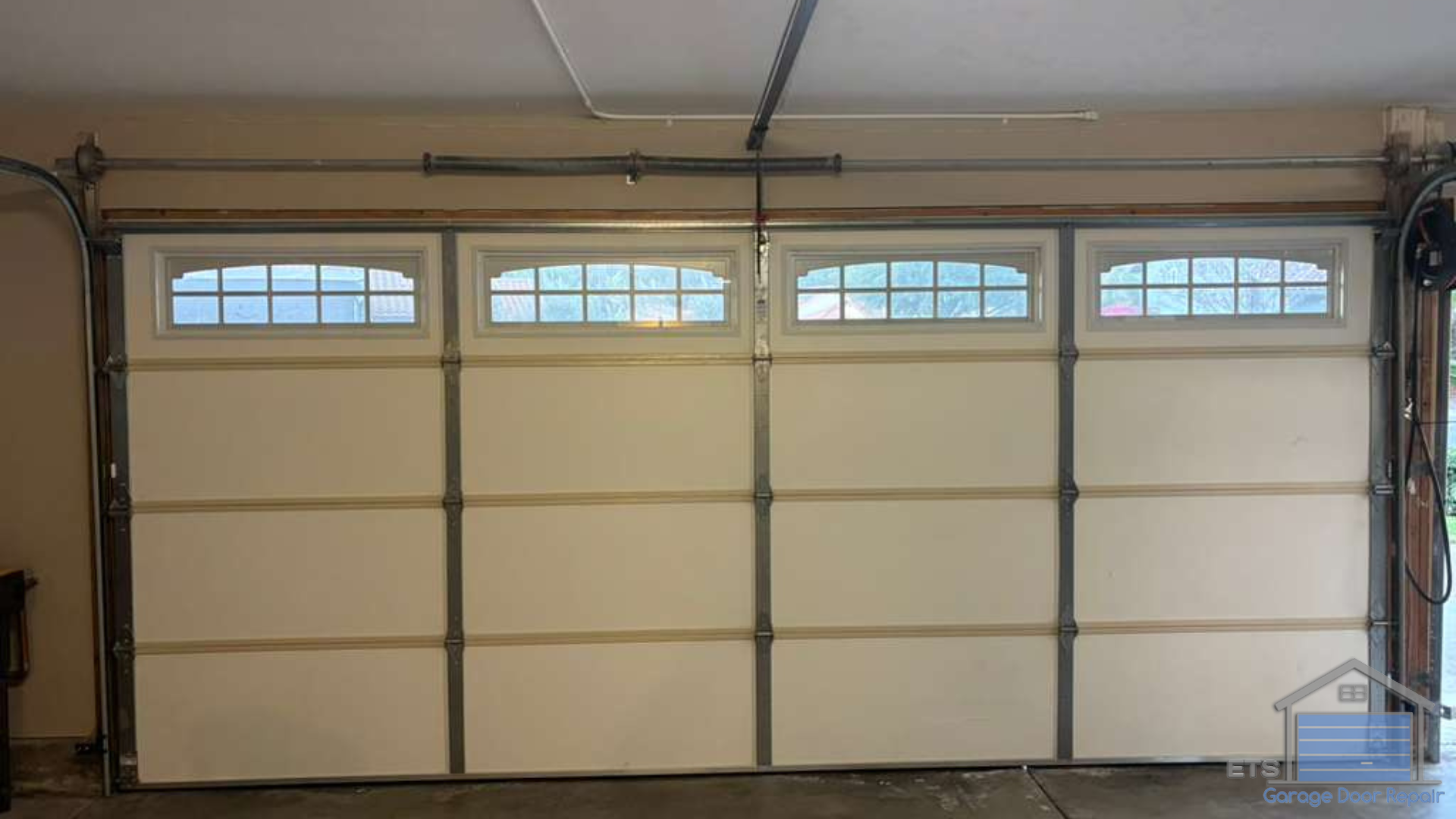
An unbalanced door also creates uneven wear on cables, rollers, and tracks. One side of your door may be lifting faster than the other, causing the door to bind, make excessive noise, or even come off its tracks.
How Do I Know If My Garage Door Is Out of Balance?
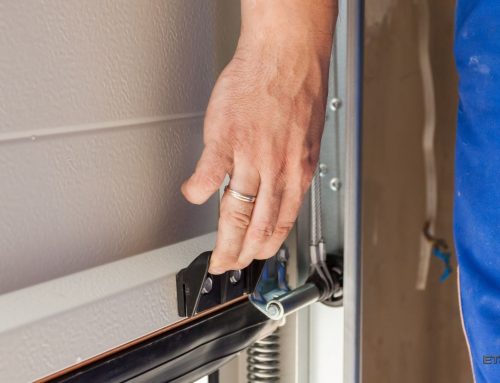
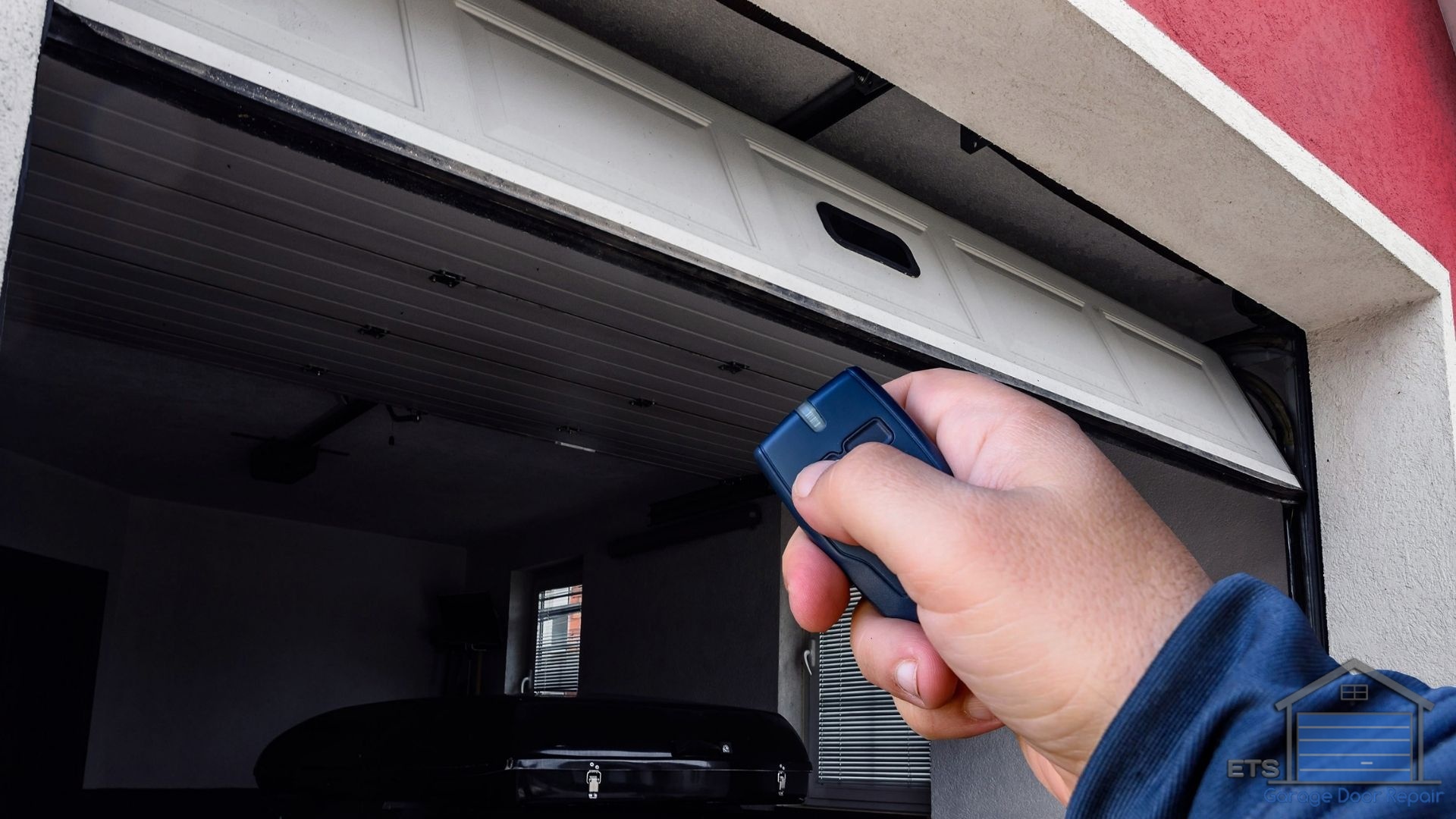
The simplest test takes less than a minute. Disconnect your opener by pulling the red emergency release handle, then manually lift your door halfway and let go. A properly balanced door should stay in place or move very slowly.
If your door slams down, drifts down quickly, or shoots up on its own, it’s out of balance and needs professional attention. You might also notice your opener struggling to lift the door, unusual grinding noises, or the door appearing crooked when it moves.
Some homeowners in neighborhoods like Orenco and Tanasbourne tell me their door feels heavier than usual when they try to lift it manually. That’s often the first sign that spring tension has weakened and balance has been compromised, and keeping A Clean And Organized Garage can help you notice these changes more easily.
The Dangers of Operating an Unbalanced Door
Beyond the expense of premature component failure, an unbalanced door poses real safety risks. A door with broken or weak springs can slam shut unexpectedly, potentially causing serious injury or property damage.
I’ve responded to emergency calls where an unbalanced door came crashing down on a vehicle or nearly injured someone standing underneath. These aren’t just theoretical risks but real incidents I’ve witnessed in our community.
The high-tension springs that balance your door store an enormous amount of energy. When they’re not properly calibrated, that energy can be released unpredictably. This is why we always recommend professional testing rather than DIY attempts.
What Professional Balance Testing Includes
When our team performs a balance test at your Hillsboro home, we start with a visual inspection of your springs, cables, and hardware. We’re looking for signs of wear, rust, or damage that could affect performance.
Next, we disconnect the opener and manually test the door at various positions. We measure how much force is required to lift the door and how well it stays in place when partially open.
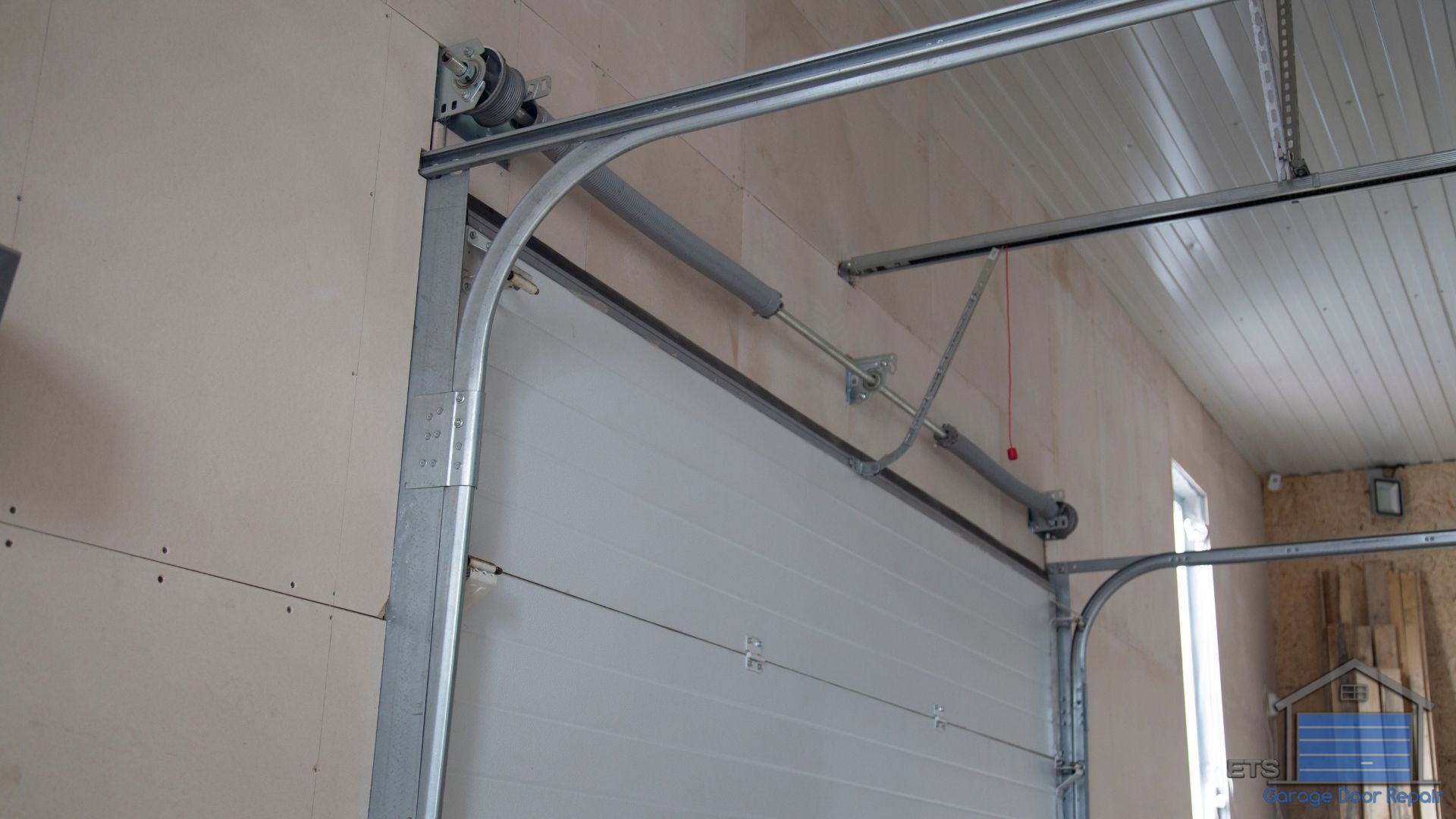
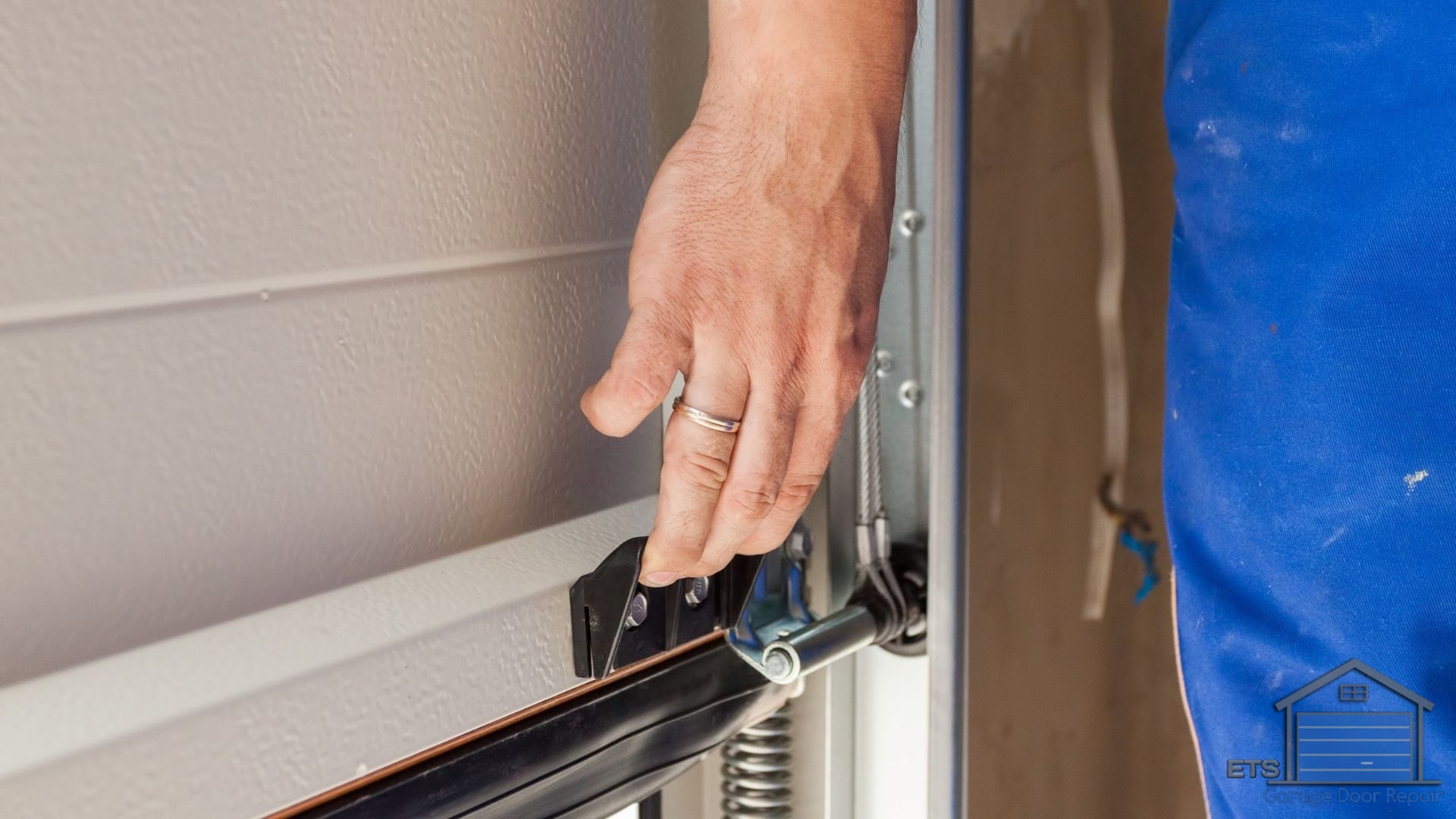
If adjustments are needed, we carefully add or release spring tension to achieve proper balance. For torsion springs, this involves turning the spring winding cones a specific number of turns. For extension springs, we may need to adjust the cable position or replace worn springs entirely.
We also check that both sides of the door are lifting evenly and that all moving parts are working smoothly. The entire process typically takes 15 to 20 minutes when performed during a routine maintenance visit, and if your door is beyond repair, we can help with New Garage Door Installation.
When Should You Have Your Door’s Balance Tested?
I recommend professional balance testing at least once a year, ideally before Oregon’s rainy season when you’re relying on your garage door most heavily. If you notice any changes in how your door operates, such as unusual noises or difficulty opening, schedule testing immediately.
Balance testing should also be performed after any spring replacement or major repair. Even if we’ve just installed new springs, we always verify proper balance before considering the job complete.
Homes with heavily used doors, such as those serving as the primary entry point, may benefit from testing twice a year. The more cycles your door completes, the faster springs lose tension and balance drifts.
Trust ETS Garage Door for Expert Balance Testing
Balance testing might seem like a small detail, but it’s one of the most important services we provide to protect your investment and your safety. Our team has the experience and specialized tools to accurately assess your door’s balance and make precise adjustments.
If you’re in Hillsboro or anywhere in Washington County and haven’t had your garage door balance tested recently, give us a call at ETS Garage Door Repair. We’ll make sure your door is operating safely and efficiently, potentially saving you from expensive repairs down the road, and if you’re considering an upgrade, learn about The Benefits Of Insulated Garage Doors. Let us help you keep your garage door system running smoothly for years to come.

Leave A Comment