

Garage door spring replacement remains one of the most common yet potentially dangerous home repair tasks homeowners face. As we navigate through 2026, the debate between DIY repairs and professional service continues, with safety concerns and cost considerations at the forefront.
This guide will help you make an informed decision about the best approach for your situation.
Table of Contents
Understanding Garage Door Spring Systems
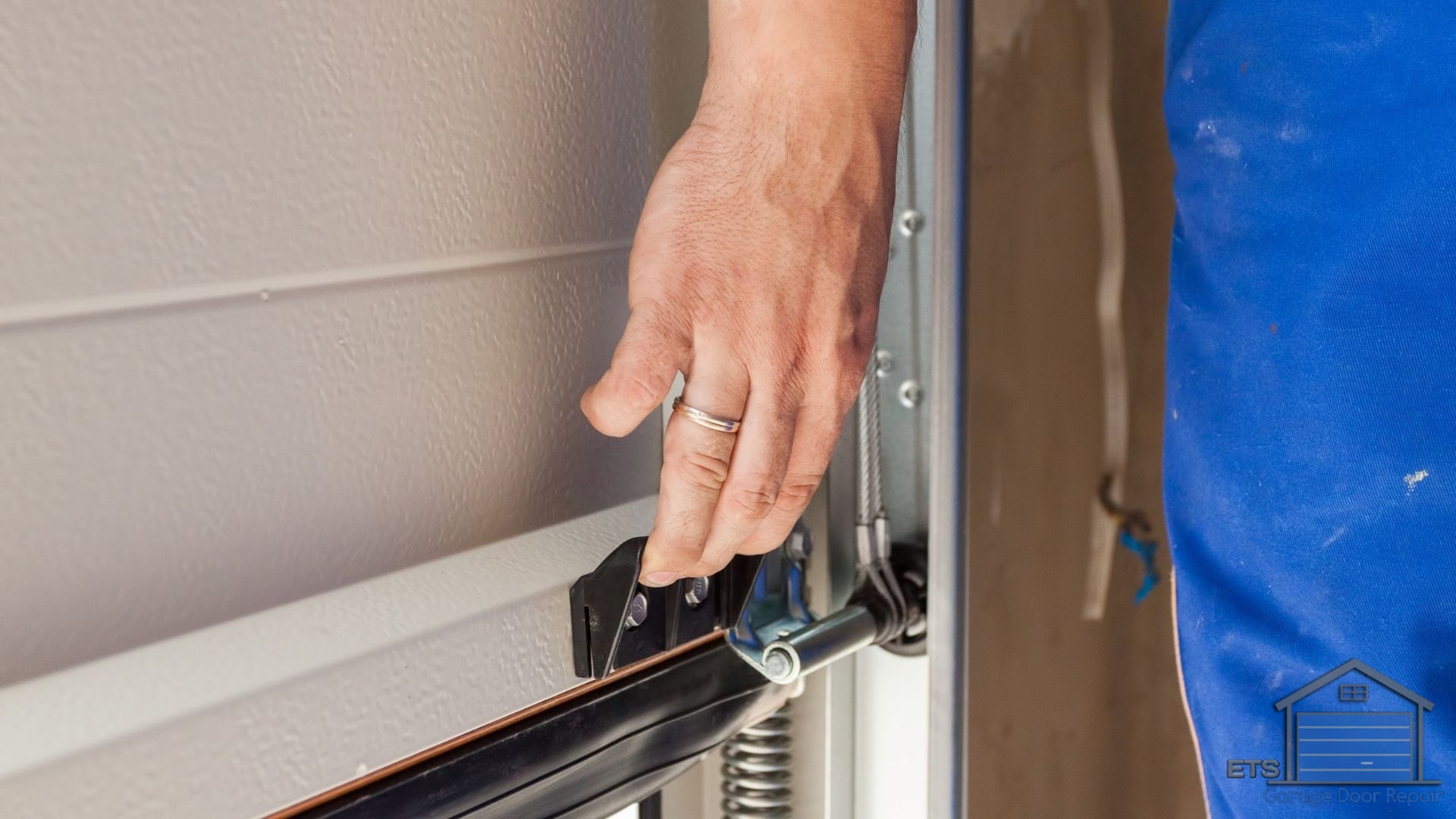
Modern garage doors typically use one of two spring systems: torsion springs mounted above the door or extension springs running along the tracks. Both types are under extreme tension, often supporting doors weighing 150 to 300 pounds. When these springs fail, they can cause serious injury if not handled properly.
In 2026, spring technology has improved with better materials and safety features, but the fundamental risks remain unchanged. To learn more about Modern Garage Door Styles And Their Features, understanding the complete system is essential.
The True Cost Comparison
DIY Spring Replacement Costs
For those considering the DIY route, here’s what you’ll need to budget for:
- Replacement springs: $40-$100 depending on door size and quality
- Specialized tools (winding bars, vise grips, socket set): $30-$80 if not already owned
- Safety equipment (gloves, protective eyewear): $20-$40
- Total DIY cost: $90-$220
Professional Service Costs
Professional garage door spring replacement in 2026 typically ranges from $200 to $400, depending on your location and door type. This includes labor, parts, and warranty coverage—most reputable companies now offer 3-5 year warranties on parts and workmanship. For professional assistance, Hillsboro Garage Door Repair offers comprehensive spring replacement services.
Safety Considerations: The Critical Factor
The cost savings of DIY may seem attractive, but safety statistics paint a concerning picture. According to industry data, garage door spring injuries account for thousands of emergency room visits annually, with DIY attempts being the primary cause. The springs store enormous amounts of potential energy—a 16×7 foot garage door spring can exert over 200 pounds of force.
Common DIY risks include:
- Spring recoil causing facial or hand injuries
- Door collapse leading to crush injuries
- Improper installation resulting in premature failure
- Lack of proper safety equipment and experience
When DIY Might Make Sense
DIY spring replacement may be appropriate if you:

- Have prior experience with garage door systems
- Possess all necessary specialized tools
- Have a helper available for safety
- Are dealing with extension springs (slightly less dangerous than torsion springs)
- Have thoroughly studied current 2026 safety protocols
The Professional Advantage
Professional technicians bring more than just installation expertise. They provide comprehensive safety inspections, identify potential issues with cables, rollers, and tracks, and ensure proper spring balance, something DIYers often overlook. In 2026, most professionals also use advanced diagnostic tools to assess door performance and predict future maintenance needs. If you’re experiencing recurring issues, it might be worth exploring the Signs It’s Time To Replace Your Garage Door entirely.
Making Your Decision
While DIY spring replacement can save $100-$200, the safety risks and potential for costly mistakes make professional service the wiser choice for most homeowners. The small upfront savings rarely justify the danger involved.
If you lack mechanical experience or specialized tools, professional replacement isn’t just safer, it’s more cost-effective when considering the complete picture of risk, time, and guaranteed results. For those considering a complete upgrade, our Door Designer can help you explore new options.
Your safety and peace of mind are worth the investment in professional service.



Leave A Comment